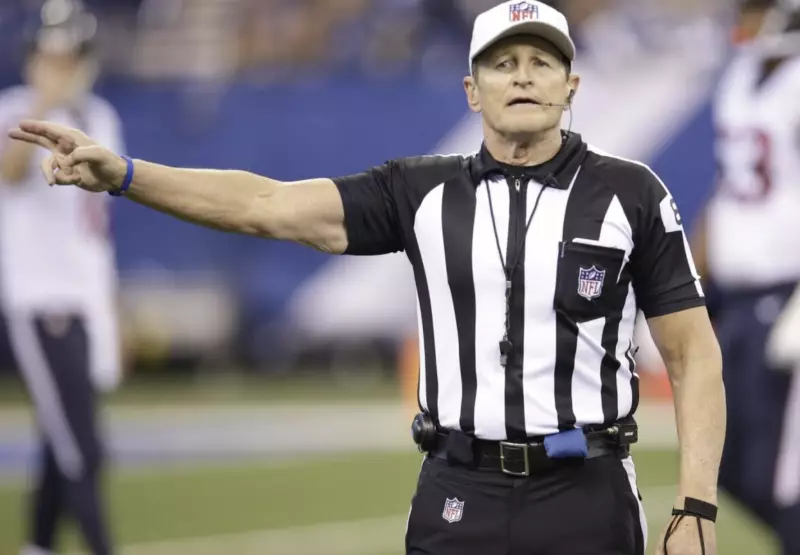
NFL referees frequently find themselves at the center of intense scrutiny, especially following contentious calls that can sway the outcome of high-stakes games. While passionate fans dissect their decisions week after week, a common curiosity emerges beyond the controversies: what is the financial compensation for these officials who enforce the rules of America's most popular sport? Although the National Football League does not publicly disclose exact salary figures, insights from labor agreements and reliable estimates provide a transparent view of the earnings landscape for NFL referees in the current era.
Average Salary of an NFL Referee in 2026
In 2026, reports indicate that the average NFL referee earns approximately $205,000 per season. This substantial figure is derived from details outlined in the Collective Bargaining Agreement between the NFL and the NFL Referees Association, which governs the terms of employment for officials. The compensation structure for referees includes a base salary for the entire season, supplemented by additional payments for each game they officiate. On average, this translates to about $11,000 to $12,000 per regular-season game when an official works every week, highlighting the lucrative nature of these part-time roles.
This represents a significant increase compared to a decade ago, when referees typically earned closer to $150,000 annually. The rise in officiating pay parallels the growth of the NFL's overall revenue and lucrative television deals, reflecting the league's expanding financial footprint and the heightened demands placed on its officials.

Do NFL Referees Earn Extra Money in the Playoffs?
Yes, playoff games offer additional financial incentives for NFL referees. However, not every official is selected for the postseason; only the top-graded referees, chosen based on their performance evaluations during the regular season, receive these coveted assignments. Officials who work playoff games generally earn an extra $3,000 to $5,000 per game, with the amount varying depending on their specific role and level of experience.
The most substantial bonus is reserved for the Super Bowl, where the head referee can receive a bonus ranging from $30,000 to $50,000 for that single championship game. Other members of the officiating crew also receive bonuses, though these are typically smaller than that of the lead referee, underscoring the prestige and financial reward associated with the NFL's biggest event.
Factors Influencing NFL Referee Earnings
Veteran officials with extensive careers often earn more than the average, with some of the highest-paid referees in recent years approaching $250,000 per season. These individuals are usually crew chiefs who possess many years of experience and maintain strong performance records. Key factors that influence referee pay include:
- Seniority: Longer tenure in the league generally correlates with higher earnings.
- Position on the Crew: Roles such as head referee or crew chief command greater compensation.
- Postseason Assignments: Participation in playoff games, especially the Super Bowl, significantly boosts income.
Is Being an NFL Referee a Full-Time Job?
Contrary to what some might assume, being an NFL referee is not typically a full-time occupation for most officials. In the current season, around 130 out of 155 officials hold other full-time jobs outside of football. Many work in professions such as law, education, business ownership, or executive roles during the week, balancing their NFL duties with their primary careers.
The NFL has engaged in discussions about transitioning referees to full-time employees to enhance consistency and accountability in officiating. However, to date, the majority remain part-time workers who earn a substantial seasonal income. This hybrid model allows officials to maintain their professional lives while contributing to the sport on weekends.

Future Outlook for NFL Referee Compensation
The current referee agreement is set to expire on May 31, 2026, which means negotiations for new salary terms will commence in the near future. With fans increasingly vocal about the need for improved officiating and greater accountability, topics such as referee pay and the potential shift to full-time status are expected to be major points of discussion in the next agreement. These developments could reshape the financial and professional landscape for NFL officials in the years to come.