Cross-Sports Controversy Erupts Over LeBron James' Memphis Comments
The ongoing controversy surrounding LeBron James' recent comments about Memphis has dramatically escalated, transforming from an NBA discussion into a full-blown cross-sports confrontation that now involves prominent NFL voices. What began as a straightforward critique has evolved into a complex debate about athlete commentary, media responsibility, and inter-league dynamics.
The Initial Spark: LeBron's Candid Assessment
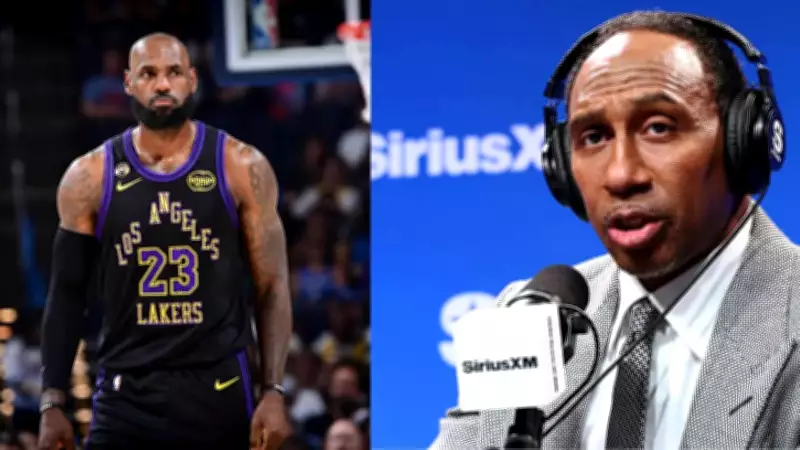
The controversy ignited on April 2, 2026, when LeBron James appeared on the Bob Does Sports YouTube show. During the interview, the NBA superstar made pointed remarks about Memphis, stating he would not enjoy playing there at this stage of his career and even suggesting the team should consider relocating to Nashville. Adding fuel to the fire, James humorously referenced that he might have "pulled an Eli Manning" back in 2003, alluding to the quarterback's famous draft-day maneuver to avoid playing for a specific team.
These comments quickly gained traction across sports media, but the situation intensified significantly the following day when ESPN personality Stephen A. Smith entered the fray with a forceful response.

Stephen A. Smith's Forceful Rebuttal
On April 3, 2026, Stephen A. Smith addressed LeBron's comments during an ESPN broadcast, delivering a passionate defense of Memphis that shifted the conversation toward community impact and representation. Smith emphasized his serious approach to discussing the city's needs, particularly for its Black residents, contrasting it with what he perceived as LeBron's casual delivery.
"Because I ain't trying to let nobody off the hook on that," Smith declared. "I wasn't dressed in shorts, lolligagging on the golf course with a bunch of peeps that don't look anything like the folks that reside in Memphis. That's where it was foul."
Smith further elaborated on his commitment to addressing substantive issues affecting Memphis communities, stating he delivered his perspective "right here, on the mic with the cameras rolling. Dead serious as hell." His commentary aimed to redirect the discussion toward economic and social considerations rather than personal preferences.
Mounting Criticism and Credibility Questions
Smith's position immediately faced scrutiny from multiple directions. Former NBA player Matt Barnes responded via Instagram, challenging Smith's consistency and accusing him of selective criticism. Barnes pointedly referenced Smith's past comments about tennis legend Serena Williams, questioning why the ESPN host took issue with LeBron's remarks while having what Barnes characterized as a history of disrespect toward other athletes.
"You've been the same man... disrespecting Serena Williams... but you got an issue with LeBron," Barnes asserted, amplifying the controversy beyond the initial Memphis discussion into broader questions about media figures' credibility and biases.
Terrell Owens' Explosive Entry
The situation reached a new intensity when NFL Hall of Famer Terrell Owens entered the conversation through his Instagram story. Owens reposted Barnes' critical clip and added his own unfiltered commentary, writing "I told y'all this n— was a clown and ain't about ?" in a direct, personal attack on Stephen A. Smith.
Owens' intervention represents a significant escalation, transforming the debate from professional disagreement to personal confrontation. His comments carry additional weight given existing tensions between the two figures, stemming from Owens' previous accusations on the All The Smoke podcast that Smith manipulates narratives and promotes negative coverage.
Layered Controversy with Historical Context
This evolving controversy now contains multiple interconnected layers. LeBron James' original comments about Memphis served as the initial catalyst. Stephen A. Smith attempted to reframe the discussion around community impact and representation. Matt Barnes challenged Smith's credibility and consistency. Finally, Terrell Owens injected personal animosity and historical grievances into the mix.

The situation has clearly transcended its origins as a simple debate about city preferences. It has become a full-blown clash involving multiple sports leagues, high-profile personalities, and competing perspectives on athlete commentary, media responsibility, and personal credibility. With such prominent figures from both the NBA and NFL now engaged, the controversy shows no signs of quieting down, potentially setting precedents for how cross-sports disagreements play out in the modern media landscape.