India's Sporting Aspirations Confront Pollution Reality
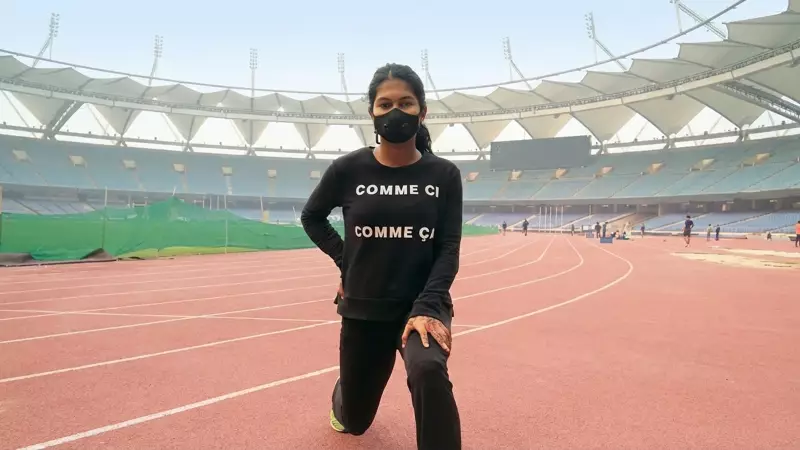
India's journey toward sporting excellence faces a formidable obstacle that demands immediate attention: environmental pollution. The nation's revised national sports policy, Khelo Bharat Niti 2025, outlines ambitious goals across five pillars, yet the pervasive issue of air and water contamination threatens to undermine these aspirations completely.
The Direct Impact on Athletic Performance
Pollution doesn't merely represent an environmental concern; it directly compromises athletic achievement and participation. Scientific evidence reveals that endurance athletes inhale 10-20 times more air during competition, absorbing dangerous pollutants like PM2.5, ozone, and nitrogen dioxide that infiltrate the bloodstream and damage respiratory systems. This exposure contributes to serious health conditions including Chronic Obstructive Pulmonary Disease and various systemic illnesses.
The consequences extend across all sporting disciplines. High-intensity sports such as football and hockey see increased fatigue-driven injuries, while cricket players face prolonged exposure risks. Water sports confront contamination from algae, sewage, and heavy metals in both freshwater and coastal areas. Even winter sports suffer as soot accelerates ice melting and shifting snow patterns disrupt training seasons.

Recent Incidents Highlight the Crisis
The severity of the situation has manifested in several high-profile incidents that should serve as warning signals:
- World No. 3 badminton player Anders Antonsen withdrew from India Open 2026, citing hazardous pollution levels with AQI reaching approximately 400
- Delhi's year-end GSI Cyclothon and half-marathons faced cancellation due to poor air quality
- Health advisories restricted outdoor school play in multiple regions
- Elite athletes in Khelo India and Target Olympic Podium Scheme programs requested training relocations to cleaner zones
Comprehensive Policy Solutions Required
Addressing this multifaceted challenge demands an integrated approach with several key components:
Urban Planning Reforms
Mindful urban development represents a crucial starting point. Implementing concepts like 15-minute cities that cluster essential services within walking or cycling distance can reduce pollution exposure. Creating buffer zones with green belts around stadiums, inspired by Beijing's 2008 Olympics approach that reduced emissions by over 30%, offers another viable strategy. Treating sports venues as health assets in master plans and incentivizing playground development through tax benefits could yield significant improvements.
Data-Driven Infrastructure Solutions
Pollution resilience must become embedded in sports programming through:
- Public-Private Partnerships for hybrid indoor-outdoor infrastructure featuring HEPA-filtered halls and retractable roofs
- Nationwide AQI protocols mirroring heat guidelines:
- AQI below 100: Normal operations
- AQI 100-200: Modified training
- AQI above 200: No outdoor endurance sports
- Standardized event management procedures that eliminate discretion and protect all participants
Leveraging Technological Capabilities
India's technological prowess should be harnessed to create pincode-specific AQI maps integrated into real-time public dashboards at sports venues, traffic signals, and mobile applications. Multilingual digital campaigns can educate citizens about pollution reduction benefits while promoting walkable streets, car-free zones, and cycling infrastructure.
The Path Forward to Commonwealth Games 2030
As India prepares to host the Commonwealth Games in 2030, several critical actions must be prioritized:

- Mandatory pollution audits integrated into sports policies
- Support for resilient sports infrastructure capable of withstanding environmental challenges
- Nationwide AQI protocols established before major international events
- Development of "green stadiums" featuring solar roofs and low-emission equipment
- Public transport mandates for major sporting events
- Zero-waste tournament standards embracing circular economy principles
India has demonstrated exceptional capability in organizing standalone mega-events, from elections to cricket World Cups. However, sustained sporting excellence requires fundamental mindset shifts and civic empowerment that forge accountable synergies across society, government, and business sectors. For a nation aspiring to Olympic glory, pollution represents not merely an externality but a crippling liability demanding urgent, comprehensive action.
The time for bold steps is now. By addressing pollution challenges systematically, India can unlock not just medal potential but also enhance the vitality and health of millions of citizens who participate in and support sporting activities nationwide.