India Enters Global Cycling Arena with Historic Pune Grand Tour
India stands at the threshold of a major sporting achievement. The country will host its first-ever UCI 2.2 category multi-stage continental road race. The Pune Grand Tour 2026 runs from January 19 to January 23. This five-day event marks a significant milestone for Indian cycling.
It places India firmly on the international professional cycling map. Domestic riders now get a rare opportunity to compete at global standards on familiar roads.
A Direct Pathway to Olympic Glory
Cycling Federation of India Secretary General Maninder Pal Singh expressed strong optimism. He called the race a defining moment for Indian cycling. Singh highlighted years of groundwork to secure UCI accreditation.

"This event opens a direct pathway for our riders toward Olympic qualification," Singh stated. The UCI points available during the race contribute directly to qualification for the 2028 Los Angeles Olympics. This makes the Pune Grand Tour a critical test event for India's long-term road cycling ambitions.
India's Biggest Home Contingent Takes the Stage
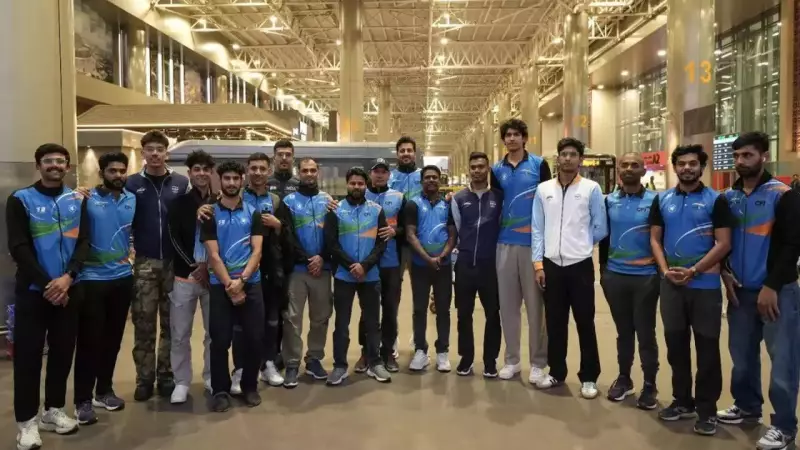
For the first time, India will field twelve riders in a UCI-accredited road race. This represents the nation's largest-ever contingent. The riders split into two distinct squads.
- Indian National Team: Six senior riders
- Indian Development Team: Six emerging talents
This structure allows experienced competitors to race alongside promising newcomers. Development team rider Manav Sarda welcomed the setup. "Having both teams racing together at home is a big opportunity for younger riders," Sarda said.
Riders Embrace the Home Challenge
Indian cyclists view competing on home soil as a powerful motivator, not a source of pressure. National team rider Harshveer Sekhon shared his perspective.
"I don't see racing at home as pressure; I see it as motivation," Sekhon explained. Maharashtra's own Surya Thathu described the event as "incredibly special." He emphasized the significance of racing a multi-stage event of this scale in his home state.
Thathu noted that the professional support system mirrors major international tours. Indian national team coach Maxat Ayazabayev stressed the importance of such events. He believes hosting more international-standard races at home is essential for rider development.
"International-standard racing at home gives our riders valuable experience without the logistical challenges of racing abroad," Ayazabayev said.
The Race Route: A Test of Skill and Endurance
The Pune Grand Tour presents a challenging 437-kilometer course. A total of 171 riders from 29 teams will participate. These athletes represent 35 different countries. The route traverses diverse terrains including the Deccan Plateau, the Sahyadri ranges, and urban Pune.
The race unfolds across five distinct stages.
- January 19 - Prologue (7.5 km): Starting at Goodluck Chowk, this short time trial sets the initial order.
- January 20 - Mulsi–Maval Miles (87.2 km): This stage features urban sprints and sharp turns, demanding technical skill.
- January 21 - Maratha Heritage Circuit (105.3 km): Riders face demanding ghats and steep climbs, testing their climbing prowess.
- January 22 - Western Ghats Gateway (134 km): This is the longest stage, designed for fast and tactical racing.
- January 23 - Pune Pride Loop (95 km): The race concludes with a technical city finish, promising an exciting finale.
More Than Just a Race: Infrastructure and Legacy
The event's impact extends far beyond the competition itself. Massive road upgrades were completed in a remarkable 75 days. These improvements brought Pune's infrastructure up to stringent UCI standards. This effort reinforces the city's reputation as India's "Cycle Capital."
Organized by the Pune District Administration under the aegis of the Cycling Federation of India, the tour has broader goals. It aims to highlight rural tourism, promote local culture, and emphasize sustainability practices.

As Indian riders line up alongside global professionals, the Pune Grand Tour represents a powerful convergence. It blends international competition, Olympic ambition, and immense homegrown pride into a single historic event.