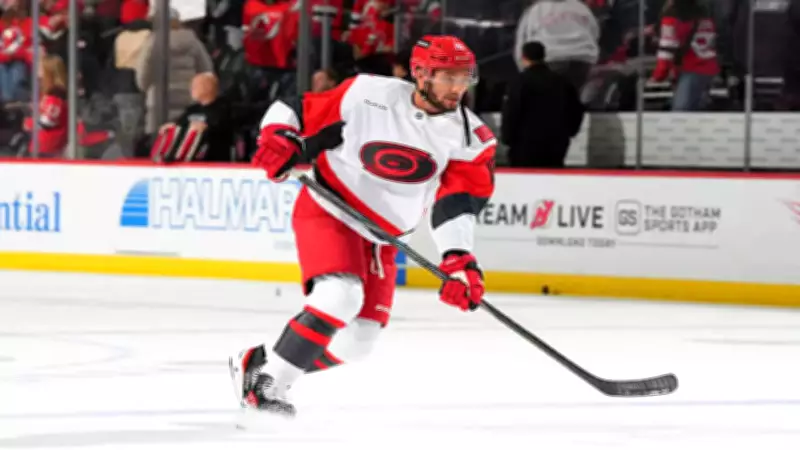
The Costly Gamble: How Trading K'Andre Miller Derailed the New York Rangers' Season
In what has become one of the most scrutinized moves in recent NHL history, the New York Rangers' decision to trade defenseman K'Andre Miller in July 2025 has unfolded as a catastrophic misstep. General manager Chris Drury initially framed the transaction as a necessary roster adjustment, but it has since emerged as the primary catalyst for one of the franchise's most disappointing campaigns in memory.
A Season in Freefall: Rangers' Struggles Without Miller
With a current record of 29 wins, 19 losses, and 5 overtime defeats, accumulating just 50 points, the Rangers find themselves languishing at the bottom of the competitive Metropolitan Division. Their playoff aspirations are rapidly evaporating, creating a stark contrast to Miller's flourishing performance in Carolina. The 25-year-old blueliner has been a revelation for the Hurricanes, notching 22 points across 44 games and delivering precisely the offensive spark from the defensive zone that New York now sorely misses.
Remarkably, Miller trails only Adam Fox's 28 points among Rangers defensemen in total production, despite no longer donning the iconic Broadway blue jersey. This statistical reality underscores the significant void his departure has created within the Rangers' lineup.

Analyzing the Trade Return: Potential Versus Immediate Impact
In exchange for Miller's services, secured under an eight-year, $60 million contract, the Rangers acquired defenseman Scott Morrow, a conditional first-round draft pick, and a second-round selection. While Morrow represents future potential, he has spent the majority of the current season with the Hartford Wolf Pack in the American Hockey League, offering no immediate relief to New York's pressing needs.
The conditional protections attached to the first-round pick further diminish the perceived value of the return. If the Hurricanes maintain their strong 32-15-5 record, the Rangers will not receive the premium selection they anticipated when orchestrating the deal, adding another layer of frustration to the transaction.
Statistical Breakdown: Exposing Defensive and Offensive Deficiencies
Miller's absence has left a glaring hole on New York's blue line, manifesting in concerning team statistics. The Rangers currently rank 16th in the league in goals against, conceding an average of 3.12 goals per game. Offensively, the situation is even more dire, with the team generating merely 2.66 goals per game, placing them 26th overall.
The lack of a mobile, puck-moving defender to complement Adam Fox has severely crippled the Rangers' transition game. Defensemen Carson Soucy and Will Borgen have been tasked with filling Miller's role alongside various partners, but neither possesses his unique combination of size, elite skating ability, and innate offensive instincts.
Broader Organizational Implications and Future Uncertainty
The inability to provide Fox with a legitimate second-pair anchor has exposed the Rangers' defensive depth as fundamentally inadequate. This trade set a disastrous tone for the franchise, followed by a series of questionable personnel decisions under first-year head coach Mike Sullivan, leaving the organization in a state of disarray.
As a result, trade rumors now swirl around key players such as Alexis Lafreniere, Mika Zibanejad, and Artemi Panarin, signaling that the Rangers may be forced to contemplate a significant roster rebuild. The team will attempt to salvage some pride in their upcoming Thursday matchup against the cross-city rival New York Islanders, though they enter as clear underdogs. While the current season may already be lost, the franchise hopes to demonstrate resilience against their rivals, even as the long-term consequences of the Miller trade loom large.