Dianna Russini's Sudden Departure Ignites NFL Media Controversy
The abrupt exit of veteran reporter Dianna Russini from The Athletic has sent shockwaves through NFL media circles, revealing a deep and public divide among industry professionals. While some colleagues have rallied to her defense, others have launched scathing critiques, turning her resignation into a flashpoint for broader debates over ethics and integrity in sports journalism.
Russini's Resignation Statement: A Move for Containment
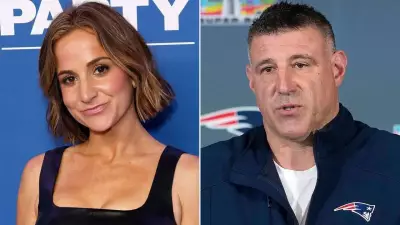
In a statement released on Tuesday, Russini announced her decision to step away from her role before her contract expires on June 30, citing the escalating controversy tied to her reported association with New England Patriots coach Mike Vrabel. She firmly denied any wrongdoing but acknowledged that the situation had spiraled beyond her control. "Rather than allowing this to continue, I have decided to step aside now — before my current contract expires on June 30," she wrote. "I do so not because I accept the narrative that has been constructed around this episode, but because I refuse to lend it further oxygen or to let it define me or my career."
Russini leaned heavily on her professional track record, highlighting a 15-year career across major outlets like NBC, ESPN, and The Athletic. "Over a career spanning more than fifteen years in sports journalism, I have built a body of work I am proud of," she stated. "I have broken stories, earned the trust of sources across the league, and been guided by the highest standards of professional conduct. That record speaks for itself." She concluded with a note of gratitude, thanking The Athletic and her colleagues for their support during this challenging period.

Crissy Froyd's Blunt Criticism: Ethics Under Fire
If Russini's exit was intended to quell the controversy, it had the opposite effect. USA TODAY SMG reporter Crissy Froyd responded with a pointed and viral post that sharply criticized Russini's conduct. "I'm sure you were told to submit this or that you'd get fired instead. Don't let the door hit you on the way out. We know who you really are and what you've been up to for years," Froyd wrote. "It does so much detriment to women in sports who have done things the right way."
When challenged, Froyd doubled down on her stance, questioning Russini's motivations. "It does no benefit to her to admit anything close to the truth. Why would she? She gains nothing," she added. "Part of me almost feels bad for her — she's in her 40s and I think wanted to be good and ethical from the start. But she's not been for years on end. You make your own bed..."
Her most pointed remarks focused on ethical breaches rather than mere optics. "I will be so real here. Relationships with players and coaches and reporters isn't really troubling to me. Giving something up for info as an exchange is wrong. Build your career on your own integrity. I don't support her at all," Froyd asserted, emphasizing the importance of professional boundaries in journalism.
The Broader Impact: A Divided Industry and Loud Conversations
The fallout from Russini's departure has laid bare a significant rift within NFL media, with support and skepticism colliding in real time. This incident has amplified ongoing discussions about access, ethics, and accountability in sports reporting, pushing these topics to the forefront of industry discourse. As voices from across the spectrum weigh in, the controversy shows no signs of abating, highlighting the complex dynamics at play in high-stakes journalism.
This episode serves as a stark reminder of the pressures and scrutiny faced by reporters in the competitive world of NFL coverage, where personal and professional lines can often blur, leading to intense public and internal debates.