The Seattle Seahawks are securing victories through a defensive approach that deliberately breaks away from conventional football wisdom. Under the guidance of head coach Mike Macdonald, the team has constructed a unit characterized by exceptional speed and remarkable flexibility.
A Manageable Matchup Transforms into Major Headache
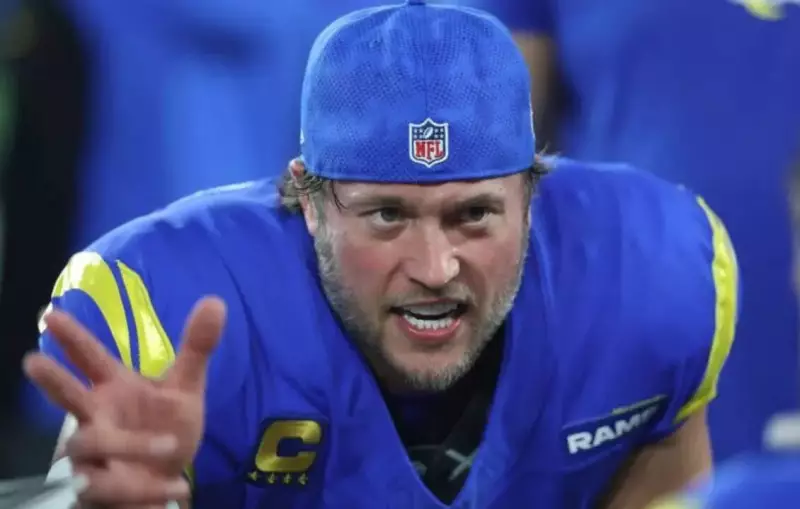
What initially seemed like a controllable game situation has evolved into a significant challenge for opponents like the Los Angeles Rams. Veteran quarterback Matthew Stafford recently acknowledged the substantial difficulties this presents. Seattle's strategic preference to maintain lighter formations, conceal their defensive intentions, and execute post-snap adjustments has fundamentally altered how offensive coordinators prepare their game plans.
Disrupting Veteran Quarterback Rhythm
For an experienced player like Stafford, who depends heavily on early pre-snap reads and establishing passing rhythm, this defensive unpredictability creates systematic slowdowns. It forces uncomfortable in-game adjustments that disrupt offensive flow and timing.

Nickel-Heavy Structure Creates Confusion Without Compromise
Stafford articulated the challenge precisely when questioned about Seattle's defensive versatility. He responded, "Yeah, a little bit," while describing the Seahawks' difficulty to read. He expanded further, stating, "I think they're able to build a bunch of structures both in the back end and the fronts with 'nickel defense' out there... So they do a nice job of changing the stuff up."
Foundation of Macdonald's Defensive Philosophy
This capacity to disguise defensive intent forms the cornerstone of Mike Macdonald's systematic approach. The Seahawks frequently deploy Nick Emmanwori in place of traditional linebackers, while Drake Thomas operates in a lighter yet faster role. This strategic alignment creates spatial opportunities for defenders to move fluidly without hesitation.
Frontline Pressure Creates Opportunities
The defensive front executes this scheme effectively as Leonard Williams and Byron Murphy II command significant attention inside, frequently drawing double-team blocks. This interior pressure opens clear lanes for Ernest Jones IV and nickel defenders to attack aggressively. On the perimeter, edge rushers DeMarcus Lawrence, Uchenna Nwosu, and Derick Hall consistently collapse passing pockets, forcing quarterbacks into hurried decisions.
Statistical Dominance and Historical Context
Seattle currently ranks third league-wide against the run, permitting merely 91.9 yards per game, while surrendering the fewest total points this entire season. Their comprehensive dismantling of San Francisco, including a playoff victory where they allowed zero touchdowns, demonstrated how suffocating this defense becomes when operating at peak performance.
For Stafford, who leads the NFL in passing yards, this matchup generates considerable unease. Historical trends haven't favored passing leaders confronting elite defenses during postseason play. Seahawks supporters vividly recall their team silencing legendary quarterback Peyton Manning on football's grandest stage, illustrating this defensive tradition.