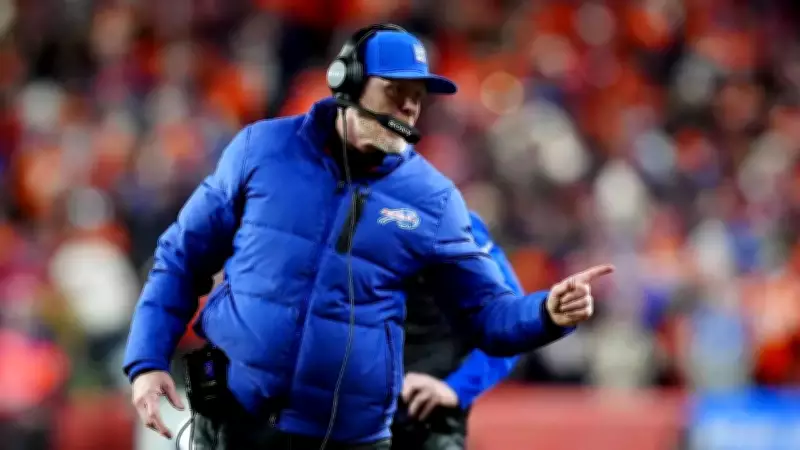
In a surprising move that defied the typical urgency of professional football, Sean McDermott has entered a deliberate pause in his NFL coaching career. The Buffalo Bills' decision to part ways with their long-time head coach on January 19th marked the end of a nine-season era characterized by remarkable consistency but ultimately defined by unfulfilled Super Bowl aspirations.
A Calculated Decision Amidst Coaching Chaos
The timing of McDermott's departure caught many across the league off guard. As the coaching market accelerated at its usual frantic pace, McDermott's name remained conspicuously absent from the typical circulation of available candidates. While some franchises had already plunged deep into their search processes, others might have sensed McDermott's reluctance to hastily embrace just any opportunity. What unfolded next revealed a story of intentional strategy rather than professional rejection.
Turning Down Familiar Territory
Sean McDermott did indeed receive genuine interest from NFL organizations. The Tampa Bay Buccaneers quietly explored the possibility of adding the experienced coach to Todd Bowles' defensive staff. This potential move would have reunited McDermott with familiar faces and connected him with a respected defensive mind in the league. The outreach was authentic and substantive, yet McDermott's response proved equally deliberate.

He consciously chose distance over immediate convenience, signaling a different approach to his career trajectory. As reported by NFL insider Greg Auman on social media platform X, "Bucs talked to ex-Bills coach Sean McDermott to check about joining Todd Bowles' staff, but he's expected to take this year off and re-assess his options in 2027. He overlapped with Jason Licht with Eagles 2003-07 and interviewed for Bucs' HC job in 2016."
The Growing Trend of Coaching Recalibration
McDermott's decision reflects an emerging pattern among elite NFL coaches who prioritize strategic patience over rushed returns to high-pressure positions. The blueprint has been effectively demonstrated by coaches like Mike Vrabel, who after his departure from the Tennessee Titans resisted immediate head coaching opportunities. Instead, Vrabel joined the Cleveland Browns in a consulting capacity, allowing himself time for professional reflection and recalibration.
This patient approach ultimately yielded significant dividends when the New England Patriots entrusted him with their head coaching position again. That calculated move has positioned Vrabel's Patriots just one victory away from capturing another Super Bowl championship, validating the wisdom of strategic patience in coaching transitions.
A Resume That Commands Future Attention
Sean McDermott's professional credentials speak volumes about his capabilities and future prospects. His impressive 98–50 record during his tenure with the Buffalo Bills, combined with consistent playoff appearances and a well-earned reputation for building disciplined, competitive teams, ensures that his phone will undoubtedly ring again when he decides to return to the sidelines.
When that moment arrives, the circumstances will likely be more favorable and aligned with his vision – perhaps featuring a playoff-ready roster, a clear organizational direction, and genuine authority to implement his football philosophy. This strategic pause allows McDermott to wait for the right situation rather than settling for the first available opportunity.
Buffalo's New Chapter and Future Possibilities
Meanwhile, the Buffalo Bills organization has turned the page on the McDermott era by elevating Joe Brady to lead their next phase. The promotion of a familiar voice within the organization signals a new direction for the franchise. Should McDermott return to coaching next season, an intriguing AFC reunion becomes a distinct possibility.
The prospect of McDermott and Brady potentially crossing paths in January playoff football carries substantial narrative intrigue. Sometimes in professional sports, stepping away strategically proves to be the decisive move that ultimately enables the breakthrough coaches and organizations seek. McDermott's current path suggests he understands this dynamic better than most.