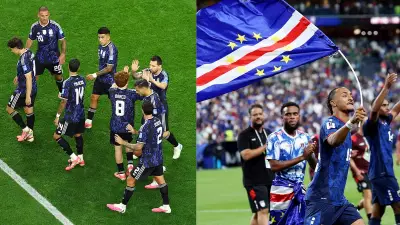
The Towel of Intrigue: Senegal's AFCON Victory and Football's Supernatural Side
In the dramatic climax of the 2026 African Cup of Nations final between Senegal and Morocco, amidst walk-off threats, missed penalties, and a thunderbolt winner, an unexpected protagonist emerged: a simple blue towel belonging to Senegal's goalkeeper Edouard Mendy. This ordinary piece of linen became the center of extraordinary controversy, reviving age-old discussions about voodoo, miracles, and juju in African football.
The Rabat Rain and the Mysterious Towel
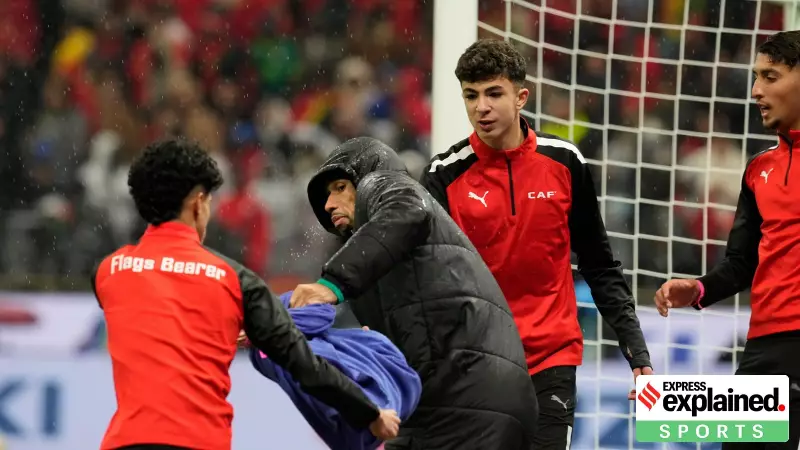
Heavy rain poured down in Rabat during the final match, making it essential for goalkeepers to keep their gloves dry. While both Mendy and his Moroccan counterpart Bono used towels frequently, Mendy displayed an unusual attachment to one specific towel. He consistently refused alternative towels offered by ball boys, sparking suspicion among the young assistants.
As the game progressed, ball boys attempted to sneak in and steal the towel whenever Mendy's attention was diverted. This led to a remarkable scene where Senegal's second-choice goalkeeper Yéhvann Diouf fiercely guarded the towel as though protecting a precious treasure. The situation escalated into an open confrontation, with Moroccan full-back Achraf Hakimi even joining the fray by flinging the towel toward advertising boards.

Historical Context of Juju in African Football
The towel incident immediately triggered whispers among Moroccan supporters about potential witchcraft or "juju"—a West African term for supernatural practices that has been a recurring theme throughout African football history. This wasn't an isolated incident but part of a long tradition where:
- In 2002, Cameroonian coaching staff were arrested for allegedly placing charms on the pitch
- During a previous tournament, a Nigerian official removed a "charm" from behind Senegal's goal
- Ghanaian fans were denied stadium entry in 2008 for carrying pots with mysterious leaves and liquids
- Zambian striker Christopher Katongo faced accusations of using juju to "bolt" goalposts after scoring
Football's Supernatural Belief System
The paraphernalia associated with these practices reads like a horror film inventory: white powder, sacred water, mysterious shrub leaves, and oils often smeared on goalposts. The belief in these supernatural influences runs so deep that:
- A self-proclaimed healer recently scammed fans of 33,000 pounds promising guaranteed AFCON victory through juju
- Nigeria's coach Éric Chelle claimed Congo DPR defeated his team using voodoo in November 2025
- In 2011, Ghana Premier League fans mauled an innocent cat, fearing it was opponents' juju manifestation
Official Responses and Cultural Significance
The Confederation of African Football (CAF) has taken a firm stance against these practices, imposing hefty fines for proven instances and stating they're "no more willing to see witch doctors on the pitch than cannibals at concession stands." Some nations like Zambia have outlawed the practices entirely.
Yet these beliefs persist, adding a unique layer of cultural intrigue to African football. As former Senegalese coach Bruno Metsu observed: "Maybe two or three are susceptible to that kind of thing but the rest just treat it as a joke. Otherwise, we'd have won the World Cup ages ago."
The towel controversy surrounding Senegal's victory serves as a modern chapter in African football's complex relationship with supernatural beliefs—a fascinating intersection of tradition, superstition, and world-class athletic competition that continues to captivate fans and players alike.