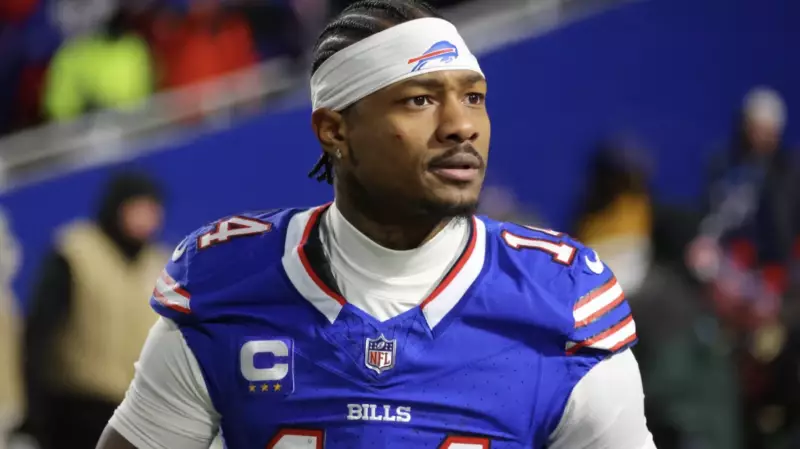
A simple change in a court schedule for NFL wide receiver Stefon Diggs is generating significant discussion across the league. The focus is not on the nature of the change, but on its curious timing.
What Changed in the Legal Timeline?
According to reports from Boston's 7News, the initial court date for Stefon Diggs has been officially postponed. The arraignment hearing is now scheduled for February 13 at the Dedham District Court in Massachusetts. This new date falls just a few days after the NFL's championship game, the Super Bowl, concludes the season.
An arraignment is typically the first step in a formal criminal proceeding, where charges are presented and the defendant enters a plea. It is important to note that this stage does not involve a trial or any rulings on evidence. The charges against Diggs, which involve an incident with his personal chef, remain unchanged, and he has denied all allegations through his lawyers.

Why the Timing Raises Eyebrows
While the delay itself appears to be a standard procedural step, its placement on the calendar has sparked conversation. In the NFL, major legal developments like an arraignment often prompt the league office to begin its own internal review process. These reviews can influence decisions about a player's status, including potential placement on the Commissioner's Exempt List.
By moving the first major court appearance until after the Super Bowl, the immediate media and league spotlight remains fixed on the football field for the remainder of the season. This effectively pauses any potential league action that might have been triggered by the arraignment, at least in the short term. It is crucial to separate fact from speculation: the postponement does not indicate the case's strength, imply guilt or innocence, or predict the NFL's final disciplinary decision.
NFL's Approach to Pending Legal Matters
The league has a history of handling unresolved legal cases on an individual basis. The decision to place a player on the exempt list is discretionary and depends on various factors, including the information available, the nature of the charges, and the stage of the legal process.
Often, the NFL waits for key court milestones, like an arraignment, before making its own determinations about discipline or roster eligibility. Therefore, this delay naturally extends the period of uncertainty surrounding Diggs' situation from a league perspective. The next significant legal checkpoint will now occur during the NFL offseason, shifting the narrative timeline.
For now, the facts are clear: the legal process continues, but its next public phase will wait until after the league crowns its champion. All eyes remain on the field, even as questions linger off it.