Tom Brady's Seven Super Bowl Triumphs: A Testament to Evolution and Excellence
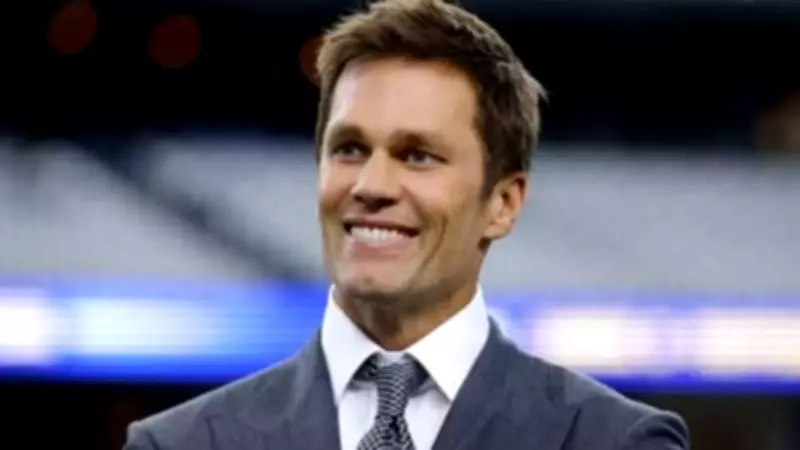
Tom Brady's unprecedented career in the National Football League is defined by his remarkable seven Super Bowl victories, ten appearances, and championships with two distinct franchises. His success was not confined to a single era or a perfect team configuration but spanned decades, multiple locker rooms, and evolving field strategies. Each Super Bowl win reveals a different dimension of Brady's growth, demonstrating how his tactical approach, mental fortitude, and leadership qualities adapted alongside the changing dynamics of the league.
Super Bowl XXXVI (2002): The Emergence of a Steady Leader
Tom Brady announced his arrival on the grandest stage in New Orleans against the heavily favored St. Louis Rams. As the quarterback for the underdog New England Patriots, Brady maintained remarkable composure, avoiding unnecessary risks while patiently waiting for the decisive moment. In the final seconds, he engineered a critical drive into field-goal range, setting up Adam Vinatieri's game-winning kick. This victory introduced Brady as a quarterback who thrived under immense pressure, establishing a foundation for his future successes.
Super Bowl XXXVIII (2004): Taking Command of the Offense
Two years later in Houston, Brady demonstrated significant evolution against the Carolina Panthers. No longer merely managing games, he showcased his offensive prowess by throwing for over 350 yards and three touchdowns. In a closely contested battle, Brady once again led the final drive, securing the win and earning the Super Bowl MVP award. This performance highlighted his ability to carry an offense when the situation demanded it.

Super Bowl XXXIX (2005): Completing an Early Dynasty
Facing the Philadelphia Eagles in Jacksonville, Brady exhibited masterful control and precision. He played clean, disciplined football without panic or risky throws, delivering crucial plays when the fourth quarter arrived. With this victory, Brady achieved three Super Bowl wins before turning 28, reaching a level of success that many quarterbacks never attain throughout their entire careers.
Super Bowl XLIX (2015): A Triumphant Return to the Summit
After a decade-long championship drought, Brady returned to the pinnacle against the defending champion Seattle Seahawks. He threw four touchdown passes and orchestrated a late comeback, proving that his success was not tied to a specific era or roster. This fourth Super Bowl victory reinforced his enduring excellence and adaptability in the face of new challenges.
Super Bowl LI (2017): Engineering the Greatest Comeback
Facing a seemingly insurmountable 28–3 deficit against the Atlanta Falcons, Brady refused to concede defeat. Through meticulous play-by-play execution and drive-by-drive perseverance, he spearheaded New England's historic comeback. The overtime victory stands as the most famous comeback in Super Bowl history, earning Brady his fifth championship ring and solidifying his reputation as a clutch performer.
Super Bowl LIII (2019): Mastering the Defensive Battle
In a tense, low-scoring contest against the Los Angeles Rams, Brady showcased his patience and strategic intelligence. Rather than forcing explosive plays, he focused on smart decisions, field position management, and supporting his team's defensive strength. His calm leadership guided the Patriots to a sixth championship, demonstrating his versatility in different game scenarios.
Super Bowl LV (2021): A Dominant Finale with a New Team
At age 43, after signing with the Tampa Bay Buccaneers, Brady faced the Kansas City Chiefs in his final Super Bowl appearance. He dominated from the outset, throwing three touchdowns and controlling the game's tempo. This victory completed his championship narrative in spectacular fashion, making him the first quarterback to win Super Bowls with two different teams and cementing his legacy as the greatest of all time.
Tom Brady's seven Super Bowl victories represent more than just statistical achievements; they chronicle the evolution of a quarterback who continuously adapted his game, mindset, and leadership approach across different eras, teams, and challenges. His career serves as a blueprint for sustained excellence in professional sports.