World Anti-Doping Agency Debates Controversial Rule Targeting US Officials
The World Anti-Doping Agency (WADA) is poised to ignite a significant sports and political controversy with a proposed rule that could bar top United States government officials from attending premier international sporting events. This discussion, scheduled for a key meeting in Baku, Azerbaijan, centers on a long-standing financial and ethical dispute between the US and the global anti-doping body.
Financial Dispute and Doping Concerns Fuel the Proposal
The United States has withheld approximately $7.3 million in dues for the years 2024 and 2025, citing serious concerns over WADA's handling of specific doping cases. Notably, US officials have criticized the agency's approach to incidents involving Chinese swimmers during the Paris Olympics, alleging inconsistencies in enforcement and transparency. This financial standoff has prompted WADA to revisit stricter measures against non-compliant nations.
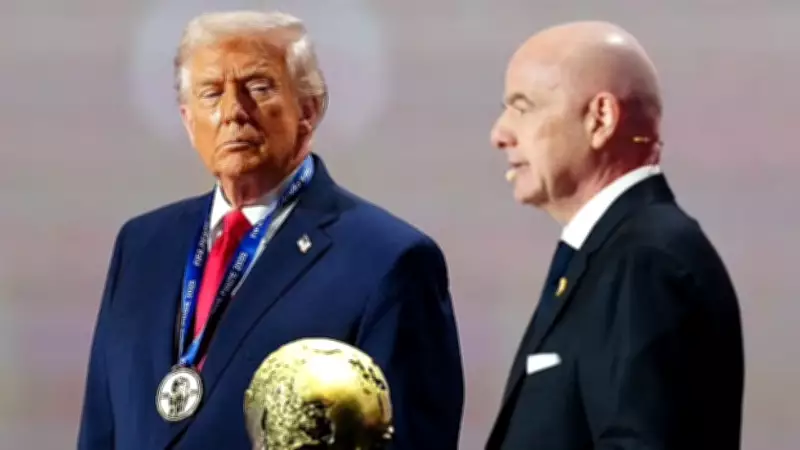
The proposed rule, which has been under consideration since 2020, outlines a three-tier punishment system for countries failing to meet their financial obligations. The most severe penalty includes prohibiting government representatives from attending major sports spectacles such as the FIFA World Cup and the Olympic Games. While no final decision has been made, the mere suggestion has already provoked strong reactions from global sports and political circles.

Historical Opposition and Enforcement Challenges
Former committee member Rahul Gupta has previously voiced strong opposition to this idea, labeling it as unrealistic and questioning its enforceability. Gupta argued that it would be exceedingly difficult for an international organization to prevent a US president from attending an event hosted within the United States itself. Currently, the absence of a US representative on WADA's executive committee could influence the direction of the upcoming discussions.
WADA spokesperson James Fitzgerald attempted to clarify the potential impact, suggesting that even if approved, the rule might not apply to already scheduled events like the 2026 FIFA World Cup or the 2028 Los Angeles Olympics. He indicated that such regulations typically do not affect past or pre-planned occasions. However, the proposal document lacks explicit clarity on this point, leaving room for further debate and uncertainty.
Upcoming Events and Symbolic Implications
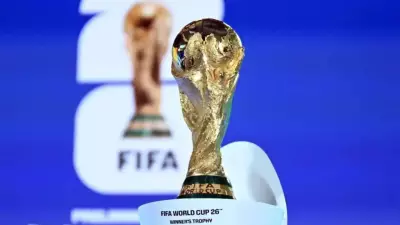
The United States, in partnership with Canada and Mexico, is set to host the 2026 FIFA World Cup, with the final match planned in New Jersey. Simultaneously, Los Angeles is actively preparing for the 2028 Summer Olympics. A definitive ruling on this contentious rule is expected later this year during a foundation board meeting, which will determine its applicability to these high-profile events.
Established in 1999, WADA operates in collaboration with the International Olympic Committee and various governments through UNESCO-linked agreements. Member countries are obligated to adhere to its regulations and contribute their fair share financially. Many experts believe that even if the rule is enacted, its effect would be more symbolic than practical, serving as a stern warning rather than an enforceable ban.
Nevertheless, this ongoing discussion underscores the escalating tensions between the United States and international sports authorities, highlighting broader issues of governance, accountability, and the intersection of politics with global athletics. The outcome could set a precedent for how sporting bodies address non-compliance and diplomatic disputes in the future.