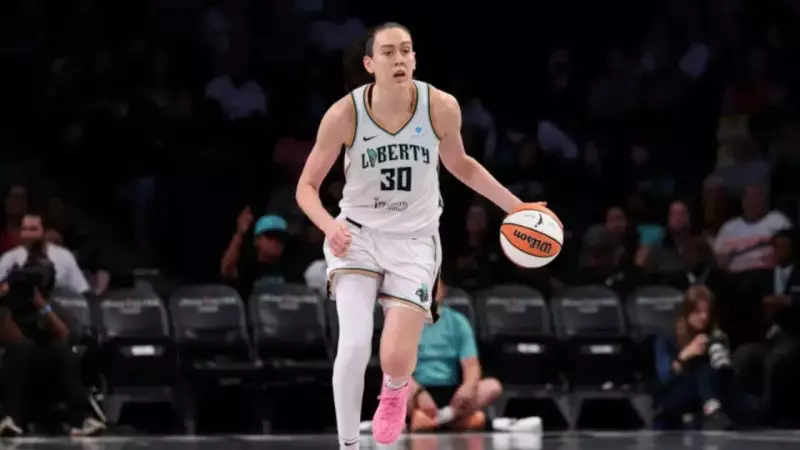
The Women's National Basketball Association (WNBA) is heading into a critical period of uncertainty after New York Liberty star and players' union vice president Breanna Stewart confirmed that a new collective bargaining agreement (CBA) will not be reached by the looming January 9 deadline. This marks a significant breakdown in negotiations between the WNBA and the Women's National Basketball Players Association (WNBPA), despite months of talks and previous extensions.
A Stand for Fair Value in a Booming League
At the heart of the dispute is the players' demand for compensation that reflects the league's explosive financial growth. The WNBA's valuation and revenue have skyrocketed, with a Deloitte estimate projecting league revenue to surpass $1 billion in 2025. Furthermore, the league recently secured a massive $2.2 billion media rights deal. Stars like Breanna Stewart argue that the current salary model is outdated and does not fairly reward the athletes driving this global expansion.
The union's latest proposal is a bold reflection of this stance. Reports indicate the WNBPA is seeking approximately 30% of the league's gross revenue and a dramatic increase in the team salary cap from the current $1.5 million to around $10.5 million. Stewart has emphasized that this is not merely about higher paychecks but about securing a rightful share of the value the players create.

A Firm Union Stance Meets League Resistance
The players' resolve appears unshakable. Stewart has conveyed that the membership is prepared for a standoff, a sentiment backed by a 98% vote in favor of authorizing a strike if necessary. This overwhelming mandate signals that maintaining the status quo is unacceptable to the players.
On the opposing side, WNBA Commissioner Cathy Engelbert and league leadership have pushed back strongly against the union's financial demands. The league contends that the players' proposed revenue-sharing model could result in losses of up to $700 million over the life of the agreement. While the league has offered a split based on net revenue, the union disputes the calculation, arguing it translates to less than 15% of total revenue.
Immediate Consequences and a Clouded Future
With no extension agreed upon, the league immediately faces operational disruptions. Critical offseason events, including free agency and the expansion drafts for the new Portland and Toronto franchises, are now delayed. While a lockout or strike is not immediate, the impasse casts a shadow over the planning for the 2026 WNBA season.
The pressure is now squarely on Commissioner Engelbert to bridge the gap and find a middle ground. The challenge is to craft a deal that justly rewards the players for their role in the league's success while ensuring the WNBA's long-term financial health and stability. As Stewart and the WNBPA have made clear, the players are united and will not settle for a deal that fails to recognize their true worth.