Pakistan Government Confirms Boycott of India Match in T20 World Cup 2026
In a significant development that has reignited debates about the intersection of sports and politics, the Pakistani government has officially confirmed that its national cricket team will boycott the match against India in the upcoming T20 World Cup 2026. The highly anticipated clash was scheduled to take place in Colombo on February 15, but authorities have instructed captain Salman Ali Agha and his squad not to take the field against their arch-rivals.
Shahid Afridi's Controversial Stance on the Decision
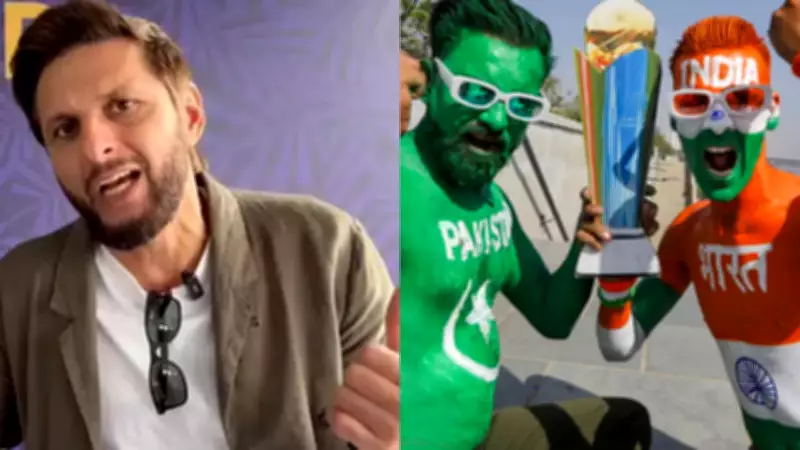
Former Pakistan captain Shahid Afridi, who has long been a vocal advocate for keeping sports separate from political influences, found himself at the center of this controversy once again. While expressing personal regret over the decision, Afridi notably stopped short of criticizing his government's directive. In a carefully worded post on X (formerly Twitter), the cricketing legend stated, "I've always believed cricket can open doors when politics closes them. Regrettably, Pakistan won't play India at the #T20WorldCup, but I stand behind my government's decision."
Afridi went further to challenge the International Cricket Council, adding, "This is the moment for @ICC to lead and prove through decisions, not statements, that it is impartial, independent, and fair to every member." This statement has drawn particular attention given Afridi's own history with controversies surrounding politics in cricket.

Afridi's Previous Remarks on Politics in Cricket
The irony of Afridi's current position becomes more apparent when considering his previous comments during the World Championship of Legends at Edgbaston. When India Legends withdrew from a match against Pakistan Legends, Afridi had remarked, "Sports bring people closer, but if politics gets involved in everything, how will we move forward? ... Sometimes, there's one bad egg that spoils everything for everyone else." Many interpreted this as a veiled criticism of former Indian batter Shikhar Dhawan.
Now, in a seeming reversal of his earlier stance, Afridi appears to be supporting political interference at one of cricket's most prestigious global events. This shift has sparked discussions among cricket enthusiasts and analysts about the complex relationship between national interests and sporting competitions.
Background and Tournament Details
The Pakistani government's decision comes despite clearing the national team to participate in the T20 World Cup tournament, which begins on February 7. The government explicitly barred the team only from facing India in what would have been one of the tournament's most watched matches. The T20 World Cup 2026 is co-hosted by India and Sri Lanka, running until March 8 with participation from 20 international teams.
Pakistan's campaign will commence against the Netherlands on February 7 in Group A, which also includes India, the United States, and Namibia. The Pakistan Cricket Board had reportedly been considering skipping the India game ever since the International Cricket Council excluded Bangladesh from the tournament, though the government's formal instruction has now made this official policy.
Broader Implications for International Cricket
This development raises important questions about the future of India-Pakistan cricket relations and the role of political considerations in international sports. The boycott represents one of the most significant political interventions in cricket in recent years and sets a precedent that could influence how other nations approach similar situations.
As the cricketing world prepares for the T20 World Cup 2026, the absence of what is traditionally one of the tournament's most electrifying matches will undoubtedly be felt by fans globally. The situation highlights the ongoing challenges faced by sporting bodies in navigating complex geopolitical landscapes while maintaining the spirit of fair competition.