Former Pakistan wicketkeeper-batsman Kamran Akmal has launched a scathing attack on the International Cricket Council (ICC) for its intervention in the Pakistan Cricket Board's (PCB) decision to boycott the high-profile group match against arch-rivals India at the upcoming T20 World Cup. The cricketing world is currently embroiled in controversy as political tensions between the two neighboring nations spill onto the cricket field once again.
Political Tensions Overshadow T20 World Cup Preparations
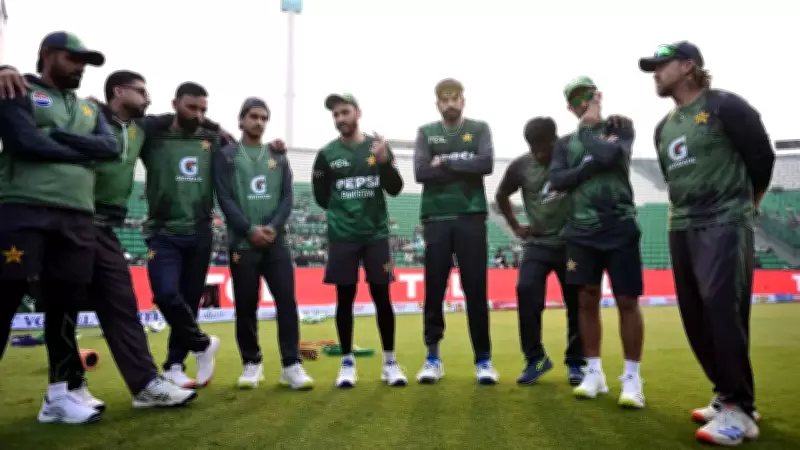
The mega event, co-hosted by India and Sri Lanka, begins this Saturday, with Pakistan scheduled to open their campaign against the Netherlands. However, the tournament has been clouded by diplomatic friction after Pakistan's government instructed the national team to participate in the World Cup but specifically boycott the February 15 group match against India in Colombo. Pakistan has already departed for Sri Lanka to begin their World Cup campaign and is currently awaiting possible action from the ICC following their refusal to play India.
Due to ongoing political tensions between the two countries, Pakistan will play all their matches in Sri Lanka throughout the tournament, including any potential knockout fixtures, despite India being a co-host. This arrangement reflects the complex geopolitical landscape that continues to influence cricketing relations between the subcontinental rivals.

Akmal Questions ICC's Consistency and Timing
In a fiery outburst on the YouTube channel 'Game Plan,' Akmal questioned the ICC's sudden concern about Pakistan's boycott decision while remaining silent during previous instances of political interference in cricket. "PCB should not back down! The ICC has told the Pakistan Cricket Board to reconsider its stance of boycotting the India game," Akmal stated emphatically.
The former cricketer highlighted several instances where he believes the ICC failed to address political issues adequately. "Was ICC sleeping when the Asia Cup happened in the hybrid model? Was ICC sleeping when India said it would not play the Champions Trophy in Pakistan and only play on a neutral venue? How many times has Pakistan played in India, despite the heightened tensions between the two countries? I have gone myself. The ICC should have thought of these things three years back!"
History of Strained Cricketing Relations
Cricketing relations between India and Pakistan have remained strained for years, with political issues frequently affecting on-field interactions. During last year's Asia Cup in the United Arab Emirates, Indian players refused to shake hands with their Pakistani counterparts across three matches, including the final. In a particularly controversial moment, the Indian team left without collecting the trophy after declining to accept it from Asian Cricket Council president Mohsin Naqvi.
Akmal further questioned the ICC's consistency in handling political sensitivities in international cricket. "The two countries have not played bilateral series for years now. Wasn't that also politics? Shouldn't the ICC have thought of ending the politics then? The PCB's decision should be respected just as we respected India's decision to play in hybrid model."
The former Pakistan player expressed deep frustration about the perceived disrespect shown to Pakistani cricketers. "Things had gotten to such extreme levels. At the Asia Cup, they refused to shake hands with our players, then refused to accept the trophy from ACC chief Mohsin Naqvi. They had disrespected us!"
ICC's Official Stance and Concerns
Following the Pakistan government's announcement, the ICC released a carefully worded statement indicating it was still awaiting official communication from the PCB. The global cricket body expressed concern about the implications of selective participation in international tournaments.
"While the ICC awaits official communication from the Pakistan Cricket Board (PCB), this position of selective participation is difficult to reconcile with the fundamental premise of a global sporting event where all qualified teams are expected to compete on equal terms per the event schedule," the ICC statement read.

The statement continued with a warning about potential consequences: "The ICC hopes that the PCB will consider the significant and long-term implications for cricket in its own country as this is likely to impact the global cricket ecosystem, which it is itself a member and beneficiary of... ICC expects the PCB to explore a mutually acceptable resolution, which protects the interests of all stakeholders."
Broader Implications for International Cricket
This controversy highlights the ongoing challenge of separating sports from politics in India-Pakistan relations. The situation raises important questions about:
- The role of international sporting bodies in managing geopolitical tensions
- The consistency of applying rules and principles across different cricket nations
- The long-term impact of political decisions on bilateral cricketing relations
- The responsibility of cricket boards in maintaining the spirit of global competition
As the T20 World Cup approaches, all eyes remain on whether the PCB will maintain its boycott stance or reconsider under ICC pressure. The outcome could set important precedents for how cricket governing bodies handle politically charged situations in the future, particularly in regions where sports and diplomacy remain deeply intertwined.