Former Pakistan Wicketkeeper Kamran Akmal Questions ICC's Consistency on India-Pakistan Cricket Politics
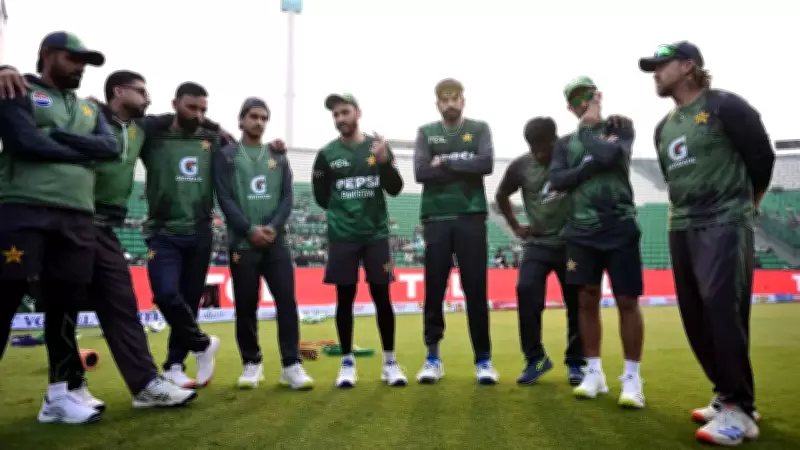
The cricketing world finds itself embroiled in yet another geopolitical controversy as former Pakistan cricketer Kamran Akmal has launched a scathing attack on the International Cricket Council (ICC). This comes in response to the ICC urging the Pakistan Cricket Board (PCB) to reconsider its decision to boycott the match against India at the upcoming T20 World Cup, co-hosted by India and Sri Lanka.
Pakistan's Government Announces Boycott, ICC Awaits Formal Communication
Following Bangladesh's withdrawal from the T20 World Cup citing security concerns, the Pakistan government publicly declared via social media that its national team would not play against India in the tournament. This announcement prompted the ICC to issue a statement expressing concern and requesting the PCB to reconsider its stance. However, the ICC clarified that it had not yet received any official communication from the PCB regarding this boycott decision.
The ICC's official statement emphasized: "While the ICC awaits official communication from the Pakistan Cricket Board (PCB), this position of selective participation is difficult to reconcile with the fundamental premise of a global sporting event where all qualified teams are expected to compete on equal terms per the event schedule." The governing body further highlighted potential long-term implications for Pakistan's cricket ecosystem and urged exploration of a mutually acceptable resolution.

Kamran Akmal's Fiery Critique: "Was ICC Sleeping Three Years Ago?"
In a passionate outburst on the YouTube channel 'Game Plan', Kamran Akmal vehemently defended Pakistan's boycott decision while questioning the ICC's historical handling of India-Pakistan cricket relations. "PCB should not back down!" Akmal declared, referencing the ICC's request for reconsideration.
Akmal posed pointed questions about the ICC's past actions: "Was ICC sleeping when the Asia Cup happened in the hybrid model? Was ICC sleeping when India said it would not play the Champions Trophy in Pakistan and only play on a neutral venue?" He highlighted his personal experience playing in India despite bilateral tensions, suggesting the ICC should have addressed these issues years earlier.
The former wicketkeeper-batter elaborated on perceived double standards: "The two countries have not played bilateral series for years now. Wasn't that also politics? Shouldn't the ICC have thought of ending the politics then? The PCB's decision should be respected just as we respected India's decision to play in hybrid model."
Historical Grievances and Perceived Disrespect
Akmal's criticism extended beyond recent events to historical grievances between the cricketing neighbors. He recalled specific incidents during the Asia Cup where he claimed Indian players refused to shake hands with Pakistani counterparts and declined to accept the trophy from ACC chief Mohsin Naqvi. "They had disrespected us!" Akmal asserted, framing Pakistan's current boycott as a response to accumulated grievances rather than an isolated decision.
The cricketer-turned-commentator emphasized that Pakistan has consistently participated in tournaments in India despite political tensions, while India has frequently avoided playing in Pakistan or insisted on neutral venues for bilateral engagements. This asymmetry, according to Akmal, demonstrates inconsistent application of principles by cricket's global governing body.
Broader Implications for Global Cricket
This controversy emerges at a critical juncture for international cricket, with the T20 World Cup representing one of the sport's premier global events. The potential absence of one of cricket's most storied rivalries—India versus Pakistan—could have significant consequences:

- Financial implications for broadcasters and sponsors
- Impact on tournament viewership and fan engagement
- Precedent for future geopolitical influences on sporting events
- Questions about ICC's authority in managing member board conflicts
As the cricketing community awaits official communication from PCB and potential resolution efforts, Kamran Akmal's vocal stance has amplified the debate about where cricket ends and politics begins in one of sport's most complex international relationships.