Senior Selector Aleem Dar Resigns from Pakistan Cricket Board
In a significant development within Pakistan cricket, senior selection committee member Aleem Dar has officially resigned from his position with the Pakistan Cricket Board (PCB). This decision comes directly in the wake of the national team's disappointing exit from the T20 World Cup, where Pakistan failed to advance to the semifinals despite high expectations.
Resignation Submitted Amidst Team Performance Concerns
According to sources quoted by news agency PTI, the former ICC elite panel umpire has formally submitted his resignation, though the PCB has yet to officially accept it. Dar served on the selection committee alongside fellow former Test cricketers Asad Shafiq and Aaqib Javed, playing a crucial role in shaping the national squad.
The resignation highlights growing internal tensions within Pakistan's cricket administration, particularly regarding the selection process for major tournaments. Sources indicate that Dar's departure stems from fundamental disagreements over team selection authority and decision-making processes.

Conflict Over Coach's Influence in Selection Decisions
The primary catalyst for Dar's resignation appears to be his concerns regarding the authority granted to head coach Mike Hesson in team selection matters. According to PTI reports, Dar was particularly upset about the World Cup squad selection process, where he had strongly resisted the inclusion of Babar Azam and Shadab Khan without what he considered adequate performance justification.
"Aleem is very upset that when the World Cup squad was being selected he had resisted the inclusion of Babar Azam and Shadab Khan in the squad without any performance but Hesson insisted on having them," a source close to the PCB revealed. This disagreement exposed deeper issues within the selection committee's dynamics and decision-making hierarchy.
Lack of Support from Fellow Selectors
Further complicating the situation, Dar reportedly felt isolated in his opposition to the coach's influence. The source added that Dar was surprised that captain Salman Agha and other selectors did not challenge Hesson's role in the selection process, creating what he perceived as an imbalance in the committee's authority structure.
Dar had also advocated for including Muhammad Rizwan in place of Usman Khan, citing Rizwan's experience as a crucial factor. However, he found no support for this position from other committee members, highlighting what appears to be a breakdown in collaborative decision-making within the selection panel.
Pakistan's Disappointing T20 World Cup Campaign
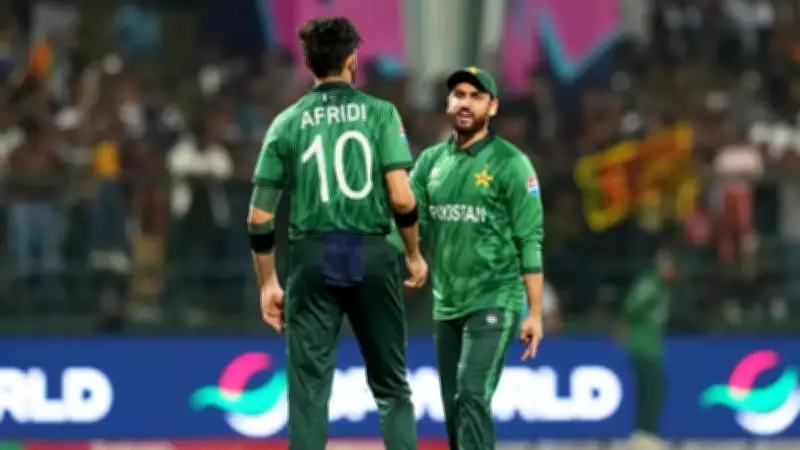
The resignation follows Pakistan's underwhelming performance in the T20 World Cup, where the team suffered key losses that ultimately prevented their advancement. Pakistan's campaign included a defeat to traditional rivals India during the group stage and another loss to England in the Super Eight stage.
While their match against New Zealand was unfortunately washed out, Pakistan did manage to secure a victory against Sri Lanka in their final Super Eight fixture. However, this win proved insufficient for qualification to the semifinals, marking another tournament disappointment for the cricket-loving nation.
Broader Implications and PCB Response
The team's performance has reportedly caused significant concern within both the PCB and government circles, prompting broader discussions about the state of Pakistan cricket. In response to the World Cup exit, the PCB has taken disciplinary measures, imposing fines of PKR 50 lakh on each player for failing to reach the semifinals.
This financial penalty reflects a new approach from cricket officials, who have reportedly told players that "enough pampering has been done — from now on, financial benefits will only come with performance." This statement, reported by The Express Tribune, signals a potential shift in how the board manages player incentives and accountability.

The resignation of Aleem Dar represents more than just a personnel change—it underscores deeper structural and philosophical questions about selection processes, coaching authority, and committee dynamics within Pakistan cricket. As the PCB considers Dar's resignation, the cricket community watches closely to see how this development will influence future selection policies and team management approaches.