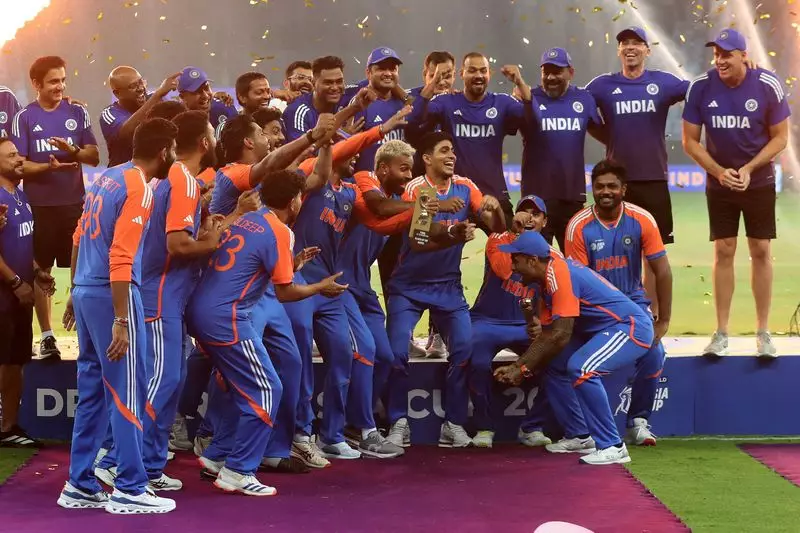
In a significant development for international cricket, the heated dispute over the Asia Cup trophy between the Board of Control for Cricket in India (BCCI) and Pakistan Cricket Board (PCB) has finally been resolved through diplomatic intervention. The breakthrough comes after weeks of tension that threatened to overshadow the prestigious tournament.
Diplomatic Channels Break the Deadlock
The resolution emerged through backchannel communications between the two cricket boards, with Assam Cricket Association secretary Devajit Saikia playing a crucial mediating role. Saikia confirmed to PTI that both boards have "broken the ice" and are actively working on multiple options to resolve the logistical challenges. This development marks a positive shift from the previously strained relations between the neighboring cricket powerhouses.
The controversy had escalated when the PCB raised objections about not receiving the actual Asia Cup trophy from the previous edition's winners, Sri Lanka. According to tournament traditions, the defending champions should possess the physical trophy until the next tournament begins. However, the trophy remained with the ACC offices in Dubai, creating an unexpected diplomatic standoff between the cricket boards.

Multiple Solutions Under Consideration
Both cricket administrations are now exploring various practical solutions to ensure smooth tournament operations. One proposed option involves creating multiple trophies - the original for the defending champions and replicas for promotional activities and ceremonial purposes. This approach would maintain tradition while addressing practical concerns.
Another solution being discussed involves digital verification and authentication processes to accompany any trophy movements between countries. The Asian Cricket Council is actively involved in these discussions, working to establish protocols that satisfy all participating nations while preserving the tournament's prestige and heritage.
Broader Implications for Cricket Relations
The resolution of this dispute carries significance beyond the immediate tournament logistics. It demonstrates that cricket diplomacy can overcome political tensions between the neighboring nations. BCCI secretary Jay Shah's proactive approach in finding solutions has been particularly noteworthy in breaking the impasse.
The successful navigation of this controversy sets a positive precedent for future collaborations between BCCI and PCB. With both boards now focused on practical solutions rather than political posturing, the Asia Cup 2023 appears back on track to deliver the high-quality cricket that fans across the continent eagerly anticipate.
This development also reinforces cricket's role as a unifying force in the region, capable of bridging diplomatic gaps through shared sporting passion. The resolution ensures that the upcoming Asia Cup will focus on athletic excellence rather than administrative disputes, much to the relief of cricket enthusiasts worldwide.