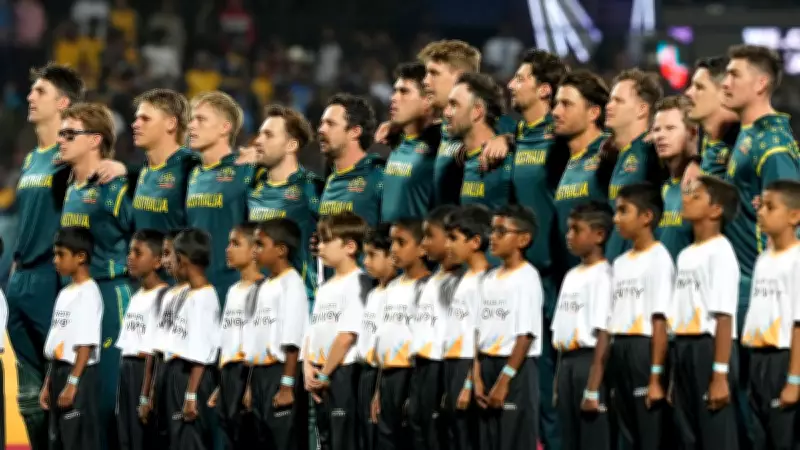
Australia's Stunning T20 World Cup Collapse: A Five-Year Descent
The Australian cricket team, once the undisputed champions of the T20 World Cup, has experienced a precipitous fall from grace, culminating in a shocking group stage exit in the 2026 tournament. This dramatic reversal of fortune, unfolding over just five years, marks one of the most significant downturns in modern cricket history, raising serious questions about the team's strategy, selection, and overall direction.
The Pinnacle: 2021 World Cup Triumph
In 2021, Australia stood atop the T20 world, clinching the World Cup title with a dominant and cohesive performance. Led by captain Aaron Finch and buoyed by stellar contributions from players like David Warner and Mitchell Marsh, the team showcased a perfect blend of aggressive batting, disciplined bowling, and sharp fielding. Their victory was not just a win but a statement of supremacy, solidifying their reputation as a powerhouse in the shortest format of the game.
The Unraveling: Key Factors in the Decline
The descent from champions to early exits did not happen overnight. Several critical factors contributed to Australia's rapid decline in T20 cricket over the subsequent years.

Many of the key players from the 2021 triumph, such as Finch and Warner, advanced in age without a clear pipeline of young talent ready to step up. This led to a reliance on veterans whose form and fitness waned, creating gaps in the lineup that were not adequately filled by emerging players.
2. Inconsistent Team Selection and StrategyFrequent changes in the playing XI and unclear roles for players disrupted team chemistry. The management's approach often seemed reactive rather than proactive, with experiments in batting orders and bowling attacks failing to yield consistent results. This instability prevented the development of a settled, confident unit.
3. Failure to Adapt to Evolving T20 TrendsAs T20 cricket evolved globally, with teams emphasizing aggressive power-hitting, innovative bowling variations, and dynamic field placements, Australia appeared stuck in outdated tactics. Their inability to adapt to faster scoring rates and more flexible strategies left them lagging behind competitors like India, England, and emerging nations.
4. Over-Reliance on Individual BrillianceIn the post-2021 era, the team often depended too heavily on sporadic performances from stars like Glenn Maxwell or Pat Cummins, rather than fostering a collective team effort. When these key players faltered or were absent due to injuries, the lack of depth was exposed, leading to collapses in crucial matches.
The 2026 Debacle: Group Stage Exit
The 2026 T20 World Cup served as the nadir of Australia's decline. Placed in a challenging group, the team suffered unexpected losses to lower-ranked opponents, highlighting their vulnerabilities. Batting failures, where the top order crumbled under pressure, and bowling inefficiencies, with expensive spells and lack of wicket-taking options, were glaring issues. The exit was not just a loss but a humiliation, sparking widespread criticism from fans and analysts alike.
Looking Ahead: Pathways to Redemption
For Australia to reclaim its former glory, a comprehensive overhaul is imperative. This includes investing in youth development through domestic circuits, embracing data-driven strategies to modernize their game plan, and fostering a stable leadership environment. Learning from this five-year downfall could provide the catalyst for a resurgence, but it will require bold decisions and a renewed commitment to excellence in T20 cricket.
The story of Australia's T20 World Cup journey from champions to group stage exit is a cautionary tale in sports, underscoring how quickly fortunes can change without sustained innovation and strategic foresight.