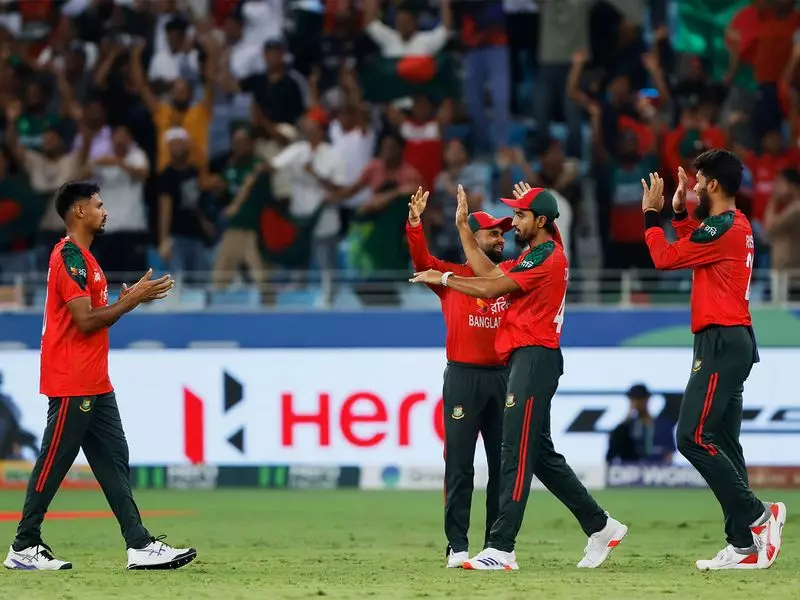
Bangladesh Government Cites Security Fears, Decides Against Playing in India for T20 World Cup
In a significant development that has stirred the cricketing community, the Bangladesh government has officially announced its decision not to play matches in India during the upcoming T20 World Cup. This move, attributed to pressing security concerns, was confirmed by Asif Nazrul, a key adviser to the Bangladesh government, who addressed the ongoing venue issue that has been a topic of intense discussion.
Security Concerns Prompt Unprecedented Decision
According to Asif Nazrul, the decision stems from a thorough assessment of potential security risks associated with hosting matches in India. The Bangladesh government, prioritizing the safety and well-being of its players and support staff, deemed it necessary to avoid venues in India to mitigate any unforeseen threats. This cautious approach reflects the heightened global focus on security in international sports events, where nations are increasingly vigilant about protecting their athletes.
Asif Nazrul emphasized that the security concerns are not taken lightly and are based on credible intelligence and risk evaluations. He noted that while India has historically been a safe host for numerous cricketing events, the current geopolitical and security landscape necessitates extra precautions. This decision underscores the Bangladesh government's commitment to ensuring a secure environment for its national team, even if it means altering traditional tournament arrangements.

Impact on T20 World Cup Venue Logistics
The announcement has immediate implications for the T20 World Cup's scheduling and venue allocations. Originally, India was slated to host several matches, including potential fixtures involving Bangladesh. With this withdrawal, tournament organizers must now reassign these matches to alternative locations, possibly within other participating countries or neutral venues. This could lead to logistical challenges, such as adjusting travel plans, accommodation, and broadcast schedules, potentially affecting the overall flow of the tournament.
Experts suggest that such decisions, while rare, are becoming more common in international cricket as nations balance competitive spirit with security imperatives. The Bangladesh government's stance may prompt other teams to review their own security protocols, potentially influencing future tournament planning on a broader scale.
Broader Context and Reactions
This development occurs against a backdrop of ongoing diplomatic and sporting relations between India and Bangladesh. Historically, the two nations have shared a strong cricketing rivalry and cooperation, making this decision particularly noteworthy. Reactions from the cricketing world have been mixed, with some expressing understanding for the security-first approach, while others lament the potential loss of high-stakes matches in Indian venues.
Key points from Asif Nazrul's statement include:
- The decision is solely based on security assessments and not political or bilateral tensions.
- Bangladesh remains committed to participating fully in the T20 World Cup, just not in Indian locations.
- Discussions are ongoing with the International Cricket Council (ICC) and other stakeholders to find amicable solutions.
In conclusion, the Bangladesh government's move highlights the evolving nature of international sports, where security considerations are increasingly paramount. As the T20 World Cup approaches, all eyes will be on how this decision shapes the tournament's dynamics and whether it sets a precedent for future events.