Bangladesh's T20 World Cup Dream Crumbles as ICC Plans Scotland Replacement
NEW DELHI: As the Bangladesh Cricket Board and government officials maintained a public facade of optimism, behind-the-scenes developments revealed a much grimmer reality for the national cricket team. According to emerging reports, the International Cricket Council is poised to officially replace Bangladesh with Scotland for the ICC T20 World Cup 2026, following Bangladesh's steadfast refusal to travel to India over security apprehensions.
A Meeting That Sealed the Fate
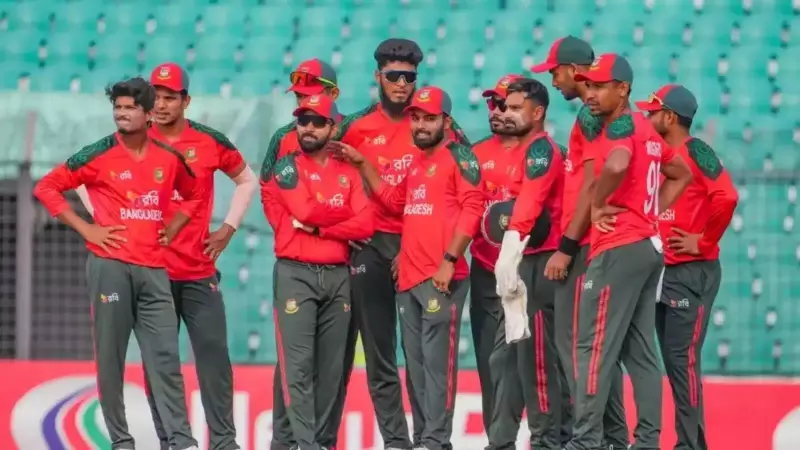
The unfolding crisis reached a critical juncture during a highly anticipated Thursday meeting between Bangladesh's national cricketers, sports advisor Asif Nazrul, and senior BCB officials. While many had hoped this gathering would provide players with an opportunity to influence a career-defining decision, the session served a markedly different purpose.
As detailed in a comprehensive Cricbuzz report, the cricketers were not summoned to provide consent but were effectively informed that their World Cup aspirations had already been terminated. The government, having concluded that the ICC failed to deliver "proper justice" regarding Bangladesh's request to relocate matches to Sri Lanka, remained unwilling to alter its position.

Players' Voices Drowned Out
"The meeting was called not to give our consent as it was made out to be initially. Rather, we were called so that we are aware of the development in the ongoing crisis," revealed a cricketer speaking under condition of anonymity. "They made up their mind and decided what they will do before coming into the meeting, and it's not like any decision was taken taking our views into consideration."
Although players were briefly permitted to speak, with most expressing willingness to participate in the T20 World Cup despite existing challenges, their perspectives appeared inconsequential to the final outcome.
"They didn't ask. They made the plan directly and said it's not happening," the cricketer added. "The thing is, Bangladesh's government call was already made… it was a direct order from the government — it's not happening."
Government Stands Firm Against ICC
Following the decisive meeting, sports advisor Asif Nazrul maintained Bangladesh's unwavering position, accusing the ICC of failing to adequately address the nation's specific grievances. He asserted that neither the ICC nor the Indian government had implemented meaningful measures to ensure comprehensive safety protocols.
"Cricket is finished. If we don't go, it will be our cricket's loss. Who cares?" lamented another disillusioned cricketer, capturing the team's profound disappointment.
Captaincy Appeals Fall on Deaf Ears
According to the report, T20 captain Litton Das and Test captain Najmul Hossain Shanto both addressed the gathering, emphatically stating the team's readiness and willingness to compete. In response, government and BCB officials referenced historical threats against Bangladeshi players, expressing heightened concerns about the safety of athletes, spectators, and journalists alike.
Officials further informed players that the Board of Control for Cricket in India had not established direct communication channels with Bangladesh authorities. "Bangladesh is supposed to go, but now if they act like this, how can a country send a team?" questioned a source familiar with the proceedings.
Leadership Attempts at Reassurance
BCB president Aminul Islam Bulbul attempted to console the players, though his words provided minimal comfort given the circumstances. "What can he say apart from giving us comfort mentally? We understand his situation very well," reflected the anonymous cricketer. "We knew from the beginning that they already decided that we're not going."
A member of the team management encapsulated the prevailing sentiment: "I feel sorry for the cricketers… they worked hard to become a formidable T20I unit. We can only hope this too shall pass."

The situation represents a significant setback for Bangladesh cricket, potentially impacting the team's international standing, player morale, and future participation in global tournaments. As Scotland prepares to potentially fill the vacancy, the cricketing world watches how this diplomatic and sporting impasse will ultimately resolve.