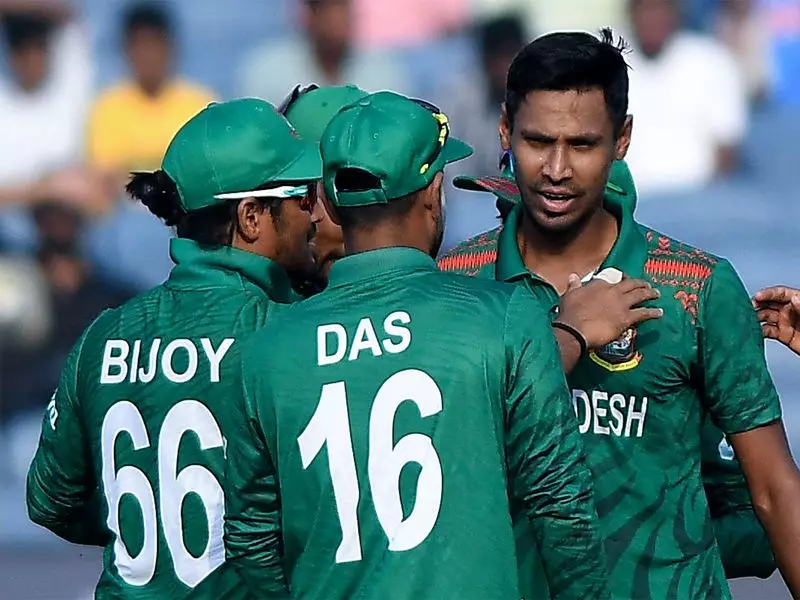
In a decisive move prioritizing national security, Bangladesh has firmly stated its cricket team will not travel to Sri Lanka for any scheduled matches in the upcoming T20 World Cup 2024. The announcement came directly from the country's top sports official, putting the International Cricket Council (ICC) and tournament organizers on notice.
National Honour and Security Are Non-Negotiable
Bangladesh's Sports Adviser, Rashidul Hasan Rizvi, made the government's position unequivocally clear. He emphasized that the decision is rooted in a commitment to national honour and the absolute security of the players. "We will not compromise on the security of our national cricketers and the honour of the nation," Rizvi declared, underscoring the principle behind the stance.
The statement directly addresses the ongoing discussions about the T20 World Cup 2024 schedule, where some of Bangladesh's group-stage matches were potentially slated to be held in Sri Lanka. The adviser's firm declaration indicates that the Bangladesh Cricket Board (BCB) has the full backing of the government on this sensitive issue.

A Direct Response to Scheduling and Security Concerns
This development is not happening in a vacuum. It follows reports and concerns within Bangladeshi cricketing circles about the logistical and safety challenges of playing in Sri Lanka during the global tournament. While specific security threats were not detailed in the public statement, the adviser's language suggests a heightened level of caution and risk assessment.
The ICC, which is responsible for finalizing the World Cup schedule and venues, now faces a significant diplomatic and logistical challenge. Bangladesh's refusal creates a potential hurdle in the planning of the tournament, which is set to be co-hosted by the West Indies and the United States. The cricketing world will be watching closely to see how the governing body responds to this firm national policy from a full-member nation.
Implications for the T20 World Cup and Cricket Diplomacy
The ramifications of this decision are immediate and substantial. The ICC and its event planners must now quickly re-evaluate the fixture list and venue allocations for the tournament. Possible solutions could include:
- Relocating Bangladesh's matches to alternative, agreed-upon venues.
- Engaging in high-level discussions with Bangladeshi authorities to address specific security assurances.
- Re-working the entire group-stage schedule to accommodate this non-negotiable condition.
This stand also highlights the growing trend where national cricket boards are taking a more assertive role in safeguarding their players, often extending beyond just physical safety to include political and diplomatic considerations. The message from Dhaka is clear: the well-being of their squad and national sentiment are paramount, even at a premier global event like the T20 World Cup.
As the June 2024 tournament window approaches, pressure will mount on all stakeholders to find a resolution. Bangladesh's preemptive and firm stance ensures that its concerns are at the forefront of the planning conversation, setting a precedent for how nations may approach future multi-host tournaments where security perceptions vary.