Bangladesh Cricket Board Exposes Security Concerns Behind T20 World Cup Boycott Decision
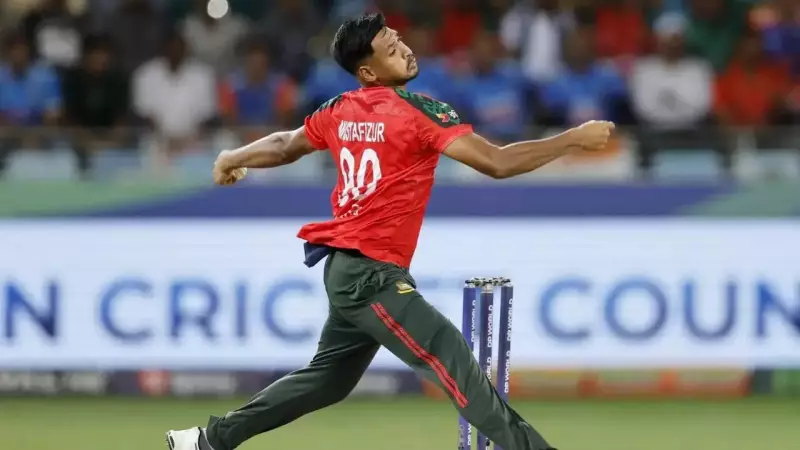
In a significant development that has sent shockwaves through the cricketing world, the Bangladesh Cricket Board (BCB) has publicly detailed the chain of events that culminated in their refusal to travel to India for the forthcoming T20 World Cup. BCB president Aminul Islam Bulbul, addressing the media in Dhaka, identified the controversial removal of pace bowler Mustafizur Rahman from an Indian Premier League franchise on security grounds as the pivotal moment that triggered this unprecedented decision.
The Mustafizur Rahman Incident: A Security Red Flag
President Bulbul clarified several crucial points regarding Mustafizur Rahman's IPL situation, stating emphatically that the bowler was neither injured nor had he voluntarily withdrawn from the tournament. Furthermore, the BCB had not revoked his No Objection Certificate (NOC). "He was dropped due to security reasons," Bulbul revealed, describing this development as a moment that raised serious red flags for Bangladesh cricket. This incident created immediate apprehension about player safety in Indian conditions.
According to Bulbul's detailed account, once the BCB became aware of Mustafizur's ouster, they immediately contacted the International Cricket Council (ICC) on January 4 to formally register their concerns. "We informed them of the situation and asked them to take this seriously," he stated. "If a player can be removed from a league due to security concerns, how can we ignore those same concerns for a World Cup?" This rhetorical question formed the core of Bangladesh's security argument.

Proposed Solutions and ICC Rejection
Bulbul emphasized that the BCB approached the matter with constructive proposals rather than confrontation. He pointed to historical precedents where neutral venues and hybrid models had been successfully implemented for ICC tournaments like the Champions Trophy due to security considerations. "We asked the ICC to follow that logic," Bulbul explained. "Let us play the World Cup, but at a neutral venue like Sri Lanka or elsewhere."
Despite this reasonable proposal, the ICC ultimately rejected Bangladesh's application. Bulbul confirmed that a formal vote took place during an ICC meeting, though he was prohibited from disclosing the exact voting numbers. "What I can say is that we are deeply concerned," he added, expressing the board's disappointment with the outcome.
Broader Implications for Global Cricket
The BCB president issued a stark warning about the potential consequences of excluding Bangladesh from the T20 World Cup, describing it as a damaging decision for the global game. "Bangladesh is a cricket-loving nation of nearly 200 million people," Bulbul noted. "If Bangladesh misses the World Cup, the ICC will lose a massive audience."
Bulbul further contextualized the issue within cricket's expanding global footprint, referencing the sport's inclusion in the 2028 Los Angeles Olympics, the Brisbane 2032 Games, and India's bid to host the 2036 Olympics. "Leaving out a major cricket nation at this stage would be a failure for the sport," he argued, suggesting that such exclusion could undermine cricket's growing international presence.
Denials and Criticisms
When questioned about the players' perspectives on this matter, Bulbul declined to provide specifics, characterizing it as "personal." He also categorically denied media reports suggesting Bangladesh had been offered a compromised arrangement where players could travel with maximum security while journalists and fans remained excluded. "No such communication took place," he asserted.
Bulbul reserved particular criticism for what he described as a 24-hour ultimatum issued to the BCB by cricket authorities. "A world organization cannot impose a 24-hour deadline," he protested. "We will keep fighting."
Clear Demands and Future Stance
"Our demand is simple," Bulbul concluded with definitive clarity. "We want to play the World Cup — but not in India. Our team is ready." This statement underscores Bangladesh's unwavering position while maintaining their commitment to participating in the tournament under conditions they deem secure.

The BCB's revelations have opened a significant dialogue about security protocols, tournament hosting responsibilities, and the equitable treatment of cricket nations within international cricket governance structures. As the T20 World Cup approaches, this development adds a complex diplomatic dimension to what should be purely sporting preparations.