BCCI Defers to ICC on Pakistan's Decision to Boycott India Match at T20 World Cup
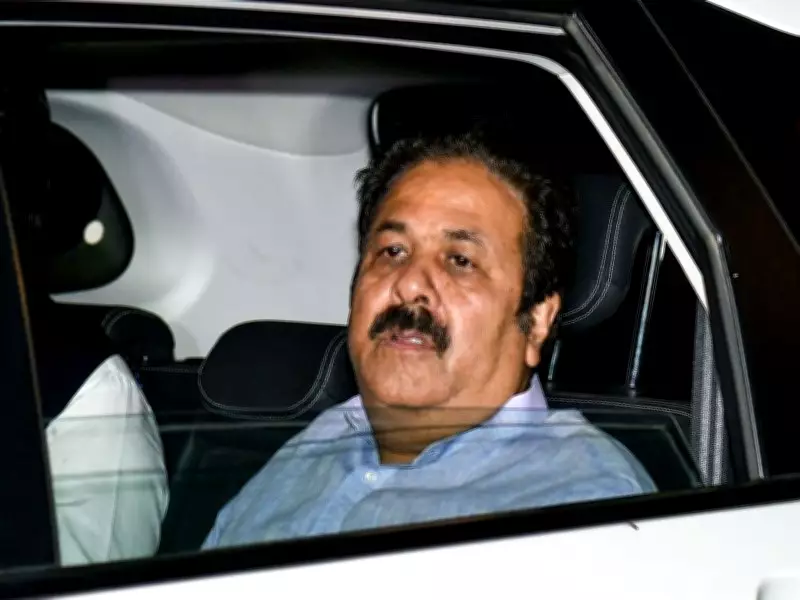
In a significant development, Board of Control for Cricket in India (BCCI) Vice President Rajeev Shukla has addressed Pakistan's recent announcement to boycott the highly anticipated match against India at the upcoming T20 World Cup. Shukla emphasized that the matter has been entirely left to the International Cricket Council (ICC) for resolution, underscoring the BCCI's commitment to maintaining a focus on the sport rather than political entanglements.
Shukla's Statement on the Boycott Controversy
Rajeev Shukla, a senior figure within Indian cricket administration, clarified the BCCI's stance in response to Pakistan's decision. "We have left everything to the ICC," he stated, highlighting that the global governing body is the appropriate authority to handle such international disputes. This move reflects the BCCI's strategy to avoid direct confrontation and instead rely on established protocols within the cricketing world.
The boycott threat from Pakistan has stirred discussions in the sports community, given the historic rivalry and high stakes of India-Pakistan encounters. Shukla's comments suggest that the BCCI is prioritizing diplomatic channels and ICC regulations over public debates, aiming to preserve the integrity of the tournament.

Implications for the T20 World Cup and Cricket Diplomacy
The potential boycott raises questions about the scheduling and logistics of the T20 World Cup, as matches between India and Pakistan are often marquee events that draw massive global viewership. By deferring to the ICC, the BCCI is:
- Ensuring that cricket remains the central focus, free from external pressures.
- Upholding the principles of fair play and international cooperation in sports.
- Setting a precedent for handling similar conflicts in future tournaments.
This approach aligns with broader efforts in cricket diplomacy, where sports are used as a platform to bridge political divides. However, Shukla's statement also underscores the complexities involved in managing India-Pakistan cricketing relations, which have often been influenced by geopolitical tensions.
Looking Ahead: ICC's Role and Future Matches
As the ICC assesses Pakistan's boycott decision, stakeholders are watching closely to see how this will impact the T20 World Cup. The council's response could set important guidelines for handling boycotts and ensuring that tournaments proceed smoothly. In the meantime, the BCCI continues its preparations, with Shukla reiterating that the board's primary goal is to support the Indian team and promote cricket globally.
This incident highlights the ongoing challenges in international sports governance, where political issues can spill over into athletic competitions. By entrusting the ICC with this matter, the BCCI aims to navigate these waters carefully, hoping for a resolution that benefits the sport and its fans worldwide.