Global Investment Titans Enter Race for IPL Champion Franchise
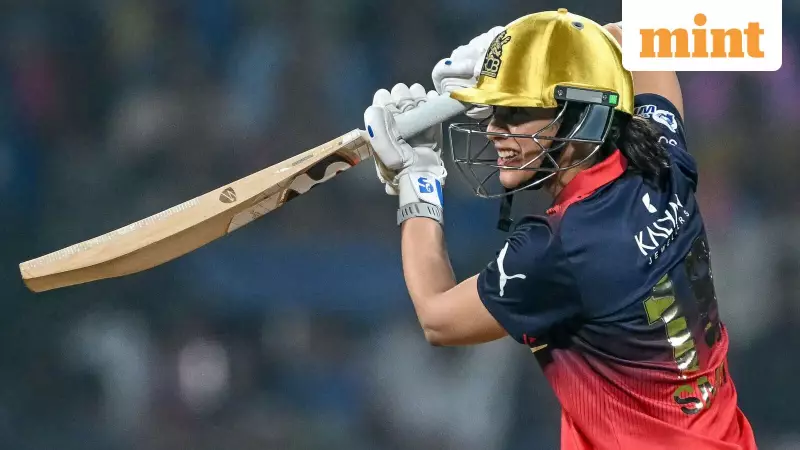
In a significant development that underscores the growing international appeal of Indian Premier League franchises, global private equity heavyweights Blackstone Inc. and Temasek Holdings Pte have emerged as early bidders for control of reigning champion Royal Challengers Bengaluru (RCB). According to sources familiar with the matter who spoke on condition of anonymity, these institutional investors have submitted non-binding bids as part of Diageo's sale process that commenced in November.
Expanding Investor Interest in Premier Cricket Assets
The entry of these global financial powerhouses represents a notable shift in IPL ownership patterns, which have traditionally been dominated by domestic strategic investors and family offices. The transaction could potentially value RCB between $1.4 billion and $1.8 billion, reflecting the franchise's enhanced commercial appeal following its historic championship victory last season.
Other prominent global buyout firms including Advent International, PAG, and Carlyle Group are also reportedly evaluating bids for the Bengaluru-based franchise, indicating robust international interest in India's premier cricket competition.

Parallel Bidding Activity for Rajasthan Royals
In a parallel development that highlights the broader investor enthusiasm for IPL assets, several investors have submitted initial non-binding bids for The Raine Group's stake in Rajasthan Royals, another established IPL franchise. While the identities of these bidders remain unconfirmed, this simultaneous activity suggests a maturing market for sports franchise investments in India.
Historical Context and Financial Performance
RCB's journey began in 2008 when United Spirits Ltd established the franchise under original owner Vijay Mallya during the IPL's formative years. Diageo gained ownership following its acquisition of majority stake and control of USL in 2016. The franchise has demonstrated remarkable financial turnaround, with revenue from operations reaching ₹634.7 crore in FY24 and net profit swinging to ₹221.8 crore from a loss of ₹11.6 crore in the previous year.
Brand Valuation and League Growth
According to the latest valuation study by investment bank Houlihan Lokey, RCB dethroned Chennai Super Kings in July last year to become the most valuable IPL brand, with its brand value rising to $269 million from $227 million in 2024. This individual franchise growth mirrors the broader expansion of the IPL ecosystem, whose overall business valuation reached $18.5 billion in 2025, representing nearly 13% annual growth.
The league's standalone brand value jumped 13.8% to $3.9 billion, buoyed by record viewership numbers, rising advertising revenues, and sustained investor interest. The current media rights structure through 2027, with locked-in central revenue distributions via contracts with JioStar and Star Sports, provides the predictable cash flows that institutional investors typically seek.
Potential Landmark Transaction
An investment by either Blackstone or Temasek would represent the largest commitment by a foreign institutional investor in Indian sports to date. The current benchmark was established by European private equity firm CVC Capital Partners, which acquired rights to Gujarat Titans for $745 million before selling 67% stake to Torrent Group in February 2025 at an approximate valuation of $866 million.
Domestic interest continues alongside this international attention, with Serum Institute of India chairman Adar Poonawalla publicly confirming his intention to submit a "strong and competitive bid" for RCB, while JSW Group and Manipal Hospitals have also been reported as potential bidders.
Representatives for RCB, Diageo, Advent, Temasek, and Blackstone have declined to comment on the ongoing process, while Rajasthan Royals, PAG, and Carlyle did not respond to queries. The developments signal a new chapter in IPL ownership that could reshape the financial landscape of Indian sports for years to come.