India's Blind Cricket World Cup Champions Grapple with Unemployment and Financial Hardship
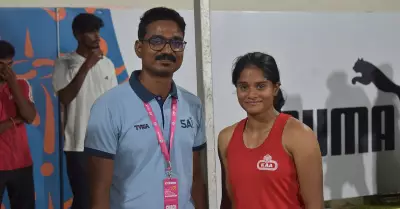
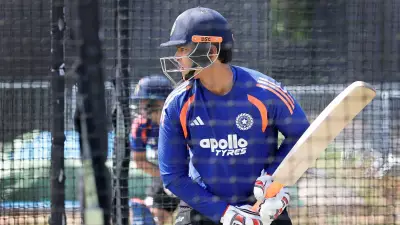
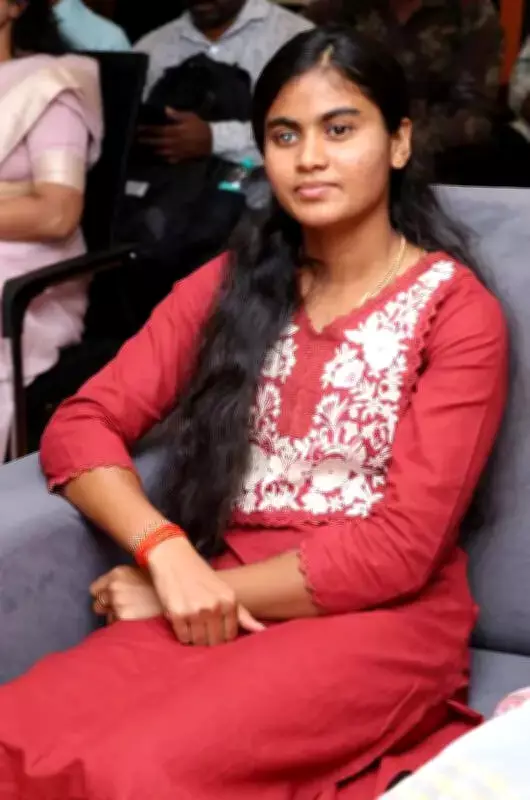
Mysuru: In a stark revelation, TC Deepika, captain of India's blind cricket team, has highlighted the ongoing struggles faced by players despite their historic triumph in the inaugural T20 World Cup for blind cricket. She emphasized that issues such as unemployment, low match fees, and a severe lack of institutional support continue to plague the athletes, urging immediate action from the government and cricket authorities.
Urgent Call for Reforms and Equal Recognition
Deepika has made a passionate appeal for urgent reforms, demanding equal recognition, infrastructure, and financial support for blind cricketers on par with mainstream players. She stressed that without these changes, the future of the sport and the welfare of its players remain at risk.
Speaking to TOI, Deepika disclosed that following the World Cup victory, only one team member from Assam has managed to secure a government job. Most players are still awaiting employment, with recruitment processes delayed at various administrative levels, leaving them in a state of uncertainty.

Financial Disparities and Personal Sacrifices
The financial insecurity is a major concern. Deepika pointed out that blind cricketers receive a mere Rs 1,000 per game as match fees, while players under the Board of Control for Cricket in India (BCCI) earn between Rs 10,000 and Rs 15,000 per match. This significant disparity underscores the need for authorities to bridge the gap and provide fair compensation.
Many players are forced to make personal sacrifices, such as taking unpaid leave or quitting private jobs, to represent the country. This lack of financial stability makes it challenging to balance sporting commitments with family responsibilities, further exacerbating their vulnerabilities.
Lack of Awareness and Structured Support
Deepika also highlighted the minimal visibility and awareness surrounding blind cricket. She noted that it was only after the World Cup win that many people became aware of the sport's existence, reflecting years of neglect and inadequate promotion.
The absence of structured support, regular income, and long-term benefits has left players in a precarious position. Deepika urged the government and cricket governing bodies to intervene by providing employment opportunities, financial aid, and improved facilities to ensure the sport's growth and sustainability.
Personal Journey and Mission for Change
Deepika began her journey in blind cricket at the Ranga Rao Memorial School For The Differently Abled in Mysuru, where mentors like Mohan recognized her potential. What started as a sport has evolved into a mission for her, driving her advocacy for better conditions for all blind cricketers.
Stressing the need for immediate and sustained action, Deepika emphasized that consistent support is crucial not only for the players' welfare but also for the future development of blind cricket in India. She called on stakeholders to step up and ensure that these athletes receive the recognition and resources they deserve.