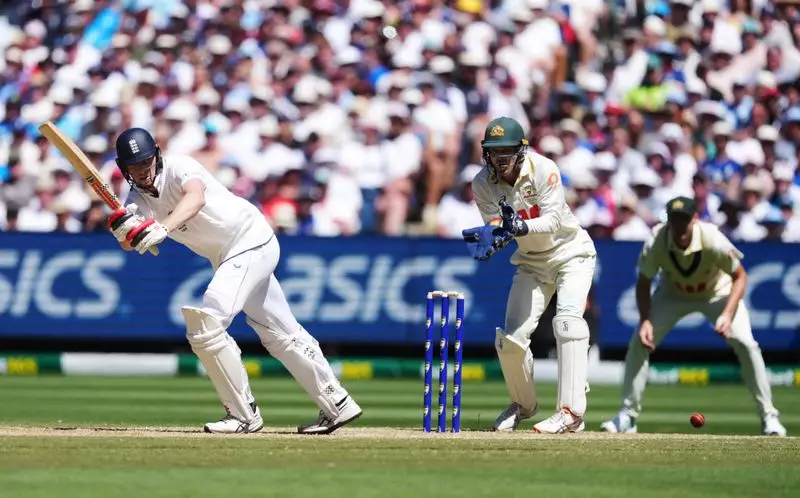
The hallowed turf of the Melbourne Cricket Ground (MCG), a venue synonymous with epic Boxing Day Test matches, became the centre of a major cricketing controversy. The second Test between India and South Africa concluded in a mere two days, leaving the stadium's curator, Matt Page, in a state of profound shock and disappointment.
The Unfolding of a Two-Day Spectacle
The match, which commenced on December 26, witnessed a dramatic and rapid conclusion on December 27. The pitch, prepared under Page's supervision, exhibited excessive pace and unpredictable bounce from the very first session. This challenging surface led to a batting collapse for both sides, with a total of 33 wickets falling across the two days of play. South Africa was bowled out for 55 in their first innings, while India managed 153. The visitors fought back to score 176 in their second innings, setting a target of 79, which India chased down with eight wickets in hand.
Matt Page, who has been the MCG's head curator since 2018, was visibly taken aback by the swift finish. He had prepared a pitch with the intention of providing a fair contest between bat and ball over five days, a hallmark of Test cricket. The reality of a two-day result was far from his expectations and raised immediate questions about the pitch's quality and its impact on the spirit of the game.

A Curator's Defence and the Fallout
In the aftermath, Page defended his preparation process, stating that the pitch had a good grass covering and looked ideal in the lead-up to the match. He attributed the extreme behaviour to the unusually humid weather conditions in Melbourne during the match period, which he believed caused the surface to play tricks. However, this explanation did little to quell the criticism from players, pundits, and fans alike, who labelled the surface as 'dangerous' and not fit for a marquee Test match.
The International Cricket Council (ICC) took note of the incident. As per protocol, the match referee rated the pitch as 'poor', triggering a formal review process. This rating could have significant consequences for the MCG, including a possible demerit point. Accumulation of demerit points can lead to a suspension of a venue from hosting international cricket, a severe blow for a historic ground like the MCG.
Broader Implications for Test Cricket
This incident has reignited the global debate about pitch preparation and the balance between home advantage and sporting fairness. The Boxing Day Test is one of cricket's most prestigious events, drawing massive crowds and television audiences worldwide. A two-day finish is seen as a commercial and sporting letdown, depriving fans of the prolonged narrative that defines Test cricket.
The fiasco puts immense pressure on curators worldwide to produce pitches that ensure a five-day contest. While result-oriented pitches are encouraged, the line between a challenging surface and an unplayable one is thin. This event at the MCG serves as a stark reminder to ground authorities about the scrutiny they are under and the need for consistent, high-quality pitches to preserve the integrity and appeal of Test match cricket.
For Matt Page and the MCG trust, the focus will now shift to understanding the precise factors that led to this outcome and implementing measures to ensure such a scenario is not repeated. The reputation of one of the world's great cricket grounds now hinges on its response to this significant setback.