Legendary England batsman Geoffrey Boycott has delivered a scathing critique of modern batting, using England's victory in the Boxing Day Ashes Test not as a celebration but as evidence of a deeper malaise in the sport. He dismissed notions of luck, insisting the win was a direct result of superior play, while highlighting what he sees as a fundamental structural problem.
The Core Argument: White-Ball Cricket is Damaging Test Techniques
In his column for The Telegraph, Boycott built a case that the current system is failing batsmen. He pointed directly to the overwhelming focus on limited-overs formats. Boycott argued that one-day matches are played on excessively flat pitches designed for big hits, which is the complete opposite of the skills needed for the longest format.
"It is absolutely the opposite of learning to bat against the moving ball on seaming pitches," he wrote. This environment, according to him, does not prepare players for the nuanced challenges of Test cricket, where ball movement and patience are paramount.

England and Australia Both in the Firing Line
Boycott did not spare his own country's cricket board from criticism. He accused the England and Wales Cricket Board (ECB) of prioritizing financial gain over sporting excellence. He claimed the ECB schedules more 50-over, T20, and Hundred matches because they generate significant revenue, suggesting the board values money more than achievements like winning the Ashes.
He also noted that England's top batsmen play very little County cricket and hardly any tour matches outside of Tests, leaving net practice as insufficient preparation for mastering technique against a moving ball. He even cited the struggles of Joe Root, England's best technical batsman, as a warning sign of this systemic issue.
A Blunt Verdict on Australian Batting
However, Boycott reserved his harshest assessment for the Australian batting lineup. He stated that he and other former players had long considered the Australian batting to be "ordinary" and overly reliant on Steve Smith and Travis Head.
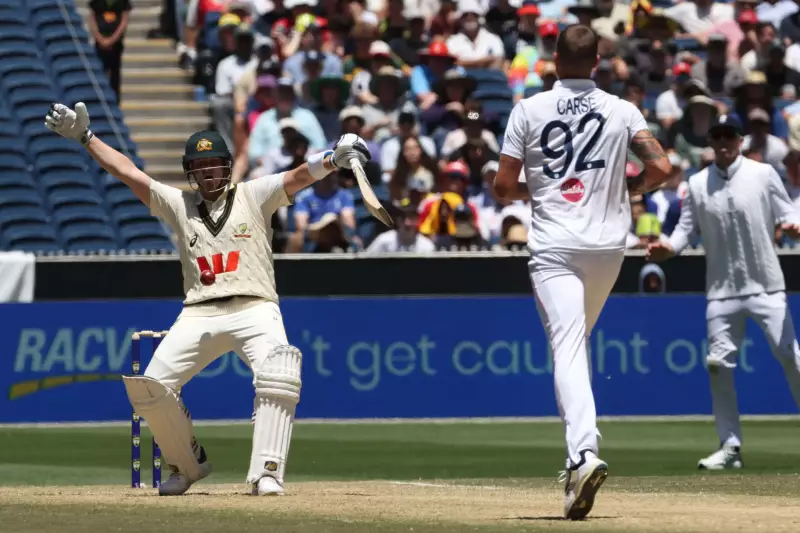
The second innings collapse, in his view, laid bare these deficiencies. Boycott described seeing "some awful batting," marked by hesitation and poor shot selection, leading to dismissals he labelled as "shockers." He questioned whether Australia's approach changed after gaining a first-innings lead, but concluded that the quality of batting was simply subpar.
While giving credit to the skill of England's seam bowlers, Boycott's final verdict on the Australian batting performance was brutally succinct: "It was awful stuff." His analysis frames the Test match not just as a contest, but as a stark judgement on how the modern game is shaping—and in his opinion, weakening—the art of batting.