Chiefs Confront Inevitable Question as Kelce Returns for Another Season
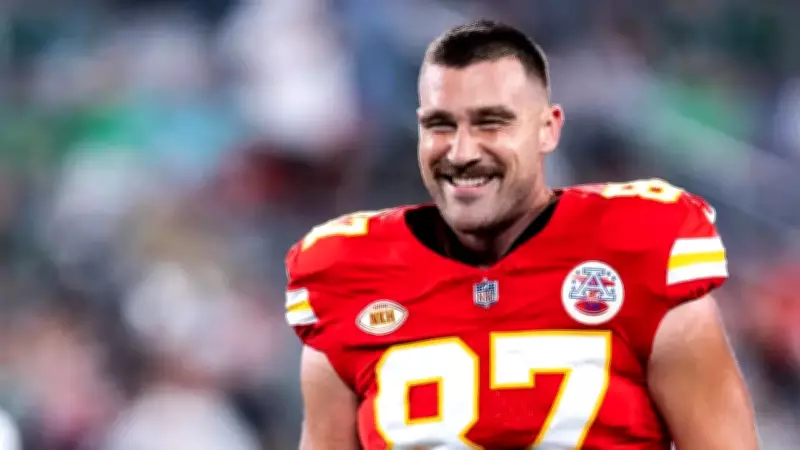
The Kansas City Chiefs enter the 2026 NFL Draft with a familiar yet increasingly urgent dilemma. While superstar tight end Travis Kelce has committed to another season, his advancing age and past retirement considerations have forced the franchise to confront a critical long-term planning question. At 36 years old, Kelce's career timeline is no longer a distant concern but an immediate strategic challenge for the front office.
Kelce's Loyalty-Driven Return Keeps Championship Window Open
Travis Kelce's decision to return was shaped significantly by loyalty and championship ambition. NFL Network insider Ian Rapoport recently revealed that Kelce turned down more lucrative offers to remain in Kansas City, demonstrating his commitment to quarterback Patrick Mahomes and the pursuit of additional Super Bowl victories. This dedication maintains the Chiefs' status as legitimate contenders, but it does not alter the inevitable march of time.
Statistically, Kelce remains productive despite his age. Last season, he recorded 76 receptions for 851 yards and five touchdowns—numbers that hardly suggest an immediate decline. However, these statistics reflect a veteran player managing the later stages of an illustrious career rather than redefining the position. For an offense built on precision timing and explosive plays, even minor regression could have significant consequences.

The Draft Dilemma: Projection Versus Immediate Need
This is where the draft conversation intensifies. Analyst Gilberto Manzano has advocated for Kansas City to use their valuable No. 9 overall selection on Oregon tight end Kenyon Sadiq. While this move might not appear obvious given other roster needs—particularly at cornerback—the strategic logic is compelling.
Sadiq represents a projection rather than a finished product. His college statistics—80 receptions for 892 yards and 11 touchdowns—don't scream top-10 certainty. What distinguishes him is his exceptional athletic profile, highlighted by a remarkable 4.39-second 40-yard dash at his size. In today's NFL, teams increasingly prioritize physical traits over polished resumes, and Sadiq possesses the raw athleticism that coaches believe they can develop into elite production.
Strategic Development Within Reid's System
In Kansas City, Sadiq's development would occur in an ideal environment. Learning behind future Hall of Famer Travis Kelce within Andy Reid's innovative offensive system provides a rare developmental runway. Reid has consistently designed offenses that expand the traditional tight end role, creating mismatches and explosive opportunities. By adding a young, explosive talent now, the Chiefs could orchestrate a seamless transition on their own terms rather than reacting to sudden necessity.
The decision carries inherent risk. Using a premium draft pick on a developmental player always involves uncertainty. However, waiting too long to address the eventual departure of a franchise icon carries equal or greater risk. The Chiefs have built their dynasty by staying ahead of league trends and anticipating roster needs before they become critical weaknesses. This draft choice will reveal whether they maintain that forward-thinking approach.
As the 2026 draft approaches, Kansas City faces a defining moment that balances present championship aspirations with future roster stability. The choice they make regarding Travis Kelce's eventual successor will resonate through the organization for years to come.