Cricket Enters New Era of Real-Time Coaching Communication
While Formula One race engineers direct drivers through headsets and football managers shout instructions from sidelines, cricket has traditionally operated differently. Players on the field have largely been left to their own strategic devices once play begins. However, evidence suggests this long-standing approach may be undergoing significant transformation.
Walkie-Talkie Innovation During T20 World Cup
During England's opening T20 World Cup match against Nepal at Mumbai's Wankhede Stadium, a notable technological development unfolded. Head coach Brendon McCullum was observed actively communicating with captain Harry Brook using a walkie-talkie device during a scheduled drinks break. This wasn't an isolated incident—McCullum maintained similar communication channels during England's recent white-ball tour of Sri Lanka, indicating a deliberate tactical evolution.
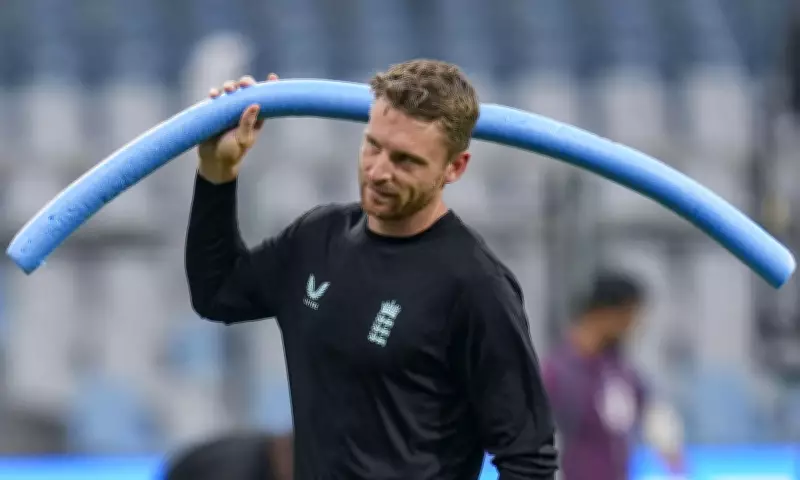
Former England captain Jos Buttler provided insightful perspective on cricket's position relative to other sports regarding in-game communication. "I think cricket remains behind other sports when it comes to relaying messages to players during active play," Buttler told reporters during a press briefing. "There have been walkie-talkies available for some time, but the communication flow from coaching staff to players has traditionally been less immediate than in other athletic disciplines."

Comparative Analysis with Other Sports
Buttler highlighted how coaching methodologies differ across sports. "In many sports, coaches have utilized real-time communication systems for years. During my Indian Premier League experience with Gujarat Titans, I observed coach Ashish Nehra being exceptionally active along boundary ropes, constantly engaging with players," he explained.
"Cricket appears to be the sport where we're still catching up in this specific area," Buttler continued. "When you examine sports like rugby, where coaches consistently relay tactical messages during matches, or football with managers directing from technical areas, cricket's approach has been more reserved. This technological integration will likely become increasingly prevalent in our sport."
McCullum's Progressive Coaching Methodology
Buttler offered high praise for McCullum's innovative approach, describing him as "as sharp a coach as I've ever worked with." He elaborated on the walkie-talkie system's practical advantages: "Baz might appear relaxed with sunglasses on, but he misses absolutely nothing strategically. The walkie-talkie provides a direct, obvious communication line—he can send messages to bench staff who then relay critical information to players on the field."
This technological integration represents more than mere gadgetry—it signifies cricket's gradual alignment with real-time coaching practices common in other major sports. As tactical sophistication increases and match margins narrow, instantaneous communication between coaching staff and players could become standard practice rather than innovative exception.
The development raises intriguing questions about cricket's future tactical landscape. Will walkie-talkies and similar communication technologies become permanent fixtures in international and franchise cricket? How will playing conditions and regulations adapt to accommodate this evolving coaching paradigm? As the T20 World Cup progresses, all eyes will be on how teams leverage technological advancements to gain competitive advantages in high-pressure situations.