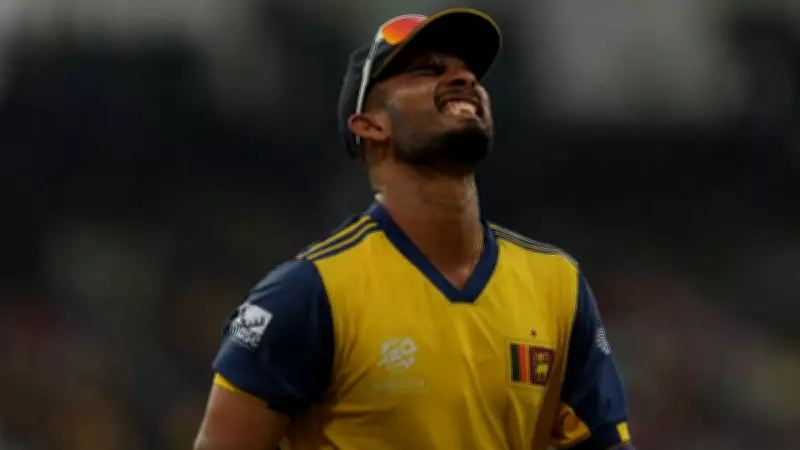
Sri Lanka Cricket Captain Dasun Shanaka Appeals for Government Support to Combat Negativity
Sri Lanka's national cricket captain, Dasun Shanaka, has made a heartfelt public plea, calling on the government to intervene and address the pervasive negativity that is severely impacting the mental health of players within Sri Lanka cricket. This urgent appeal highlights the growing concerns over the psychological well-being of athletes in the high-pressure environment of international sports.
Shanaka's Direct Call to Action for Player Welfare
In a significant move, Dasun Shanaka has explicitly requested that the Sri Lankan government take immediate steps to protect the mental health of cricketers. He emphasized that the constant criticism and negative atmosphere surrounding the team are taking a heavy toll on players, potentially affecting their performance and overall quality of life. Shanaka's statement underscores the need for structured support systems and professional mental health resources to safeguard athletes from the intense scrutiny and expectations they face.
The Impact of Negativity on Sri Lanka Cricket
The captain pointed out that the negativity in Sri Lanka cricket is not just limited to on-field performances but extends to off-field pressures, including media backlash and public opinion. This environment, he argues, can lead to increased stress, anxiety, and other mental health issues among players, which in turn could hinder the team's success and development. Shanaka's call to action reflects a broader recognition of mental health as a critical component of athletic excellence and player longevity in the sport.

Key aspects of Shanaka's appeal include:
- Requesting government involvement to establish mental health programs specifically for cricketers.
- Highlighting the detrimental effects of persistent negativity on player morale and performance.
- Advocating for a more supportive and positive culture within Sri Lanka cricket to foster better outcomes.
Broader Implications for Cricket and Sports Governance
This development raises important questions about the role of sports bodies and governments in ensuring the well-being of athletes. As mental health awareness grows globally, Shanaka's plea aligns with international trends where sports organizations are increasingly prioritizing psychological support. It also signals a potential shift in how cricket boards might approach player management, moving beyond physical training to include comprehensive mental health care.
The situation in Sri Lanka cricket serves as a reminder that athletic success is deeply intertwined with mental resilience, and addressing these issues is essential for sustaining competitive teams in the long run.