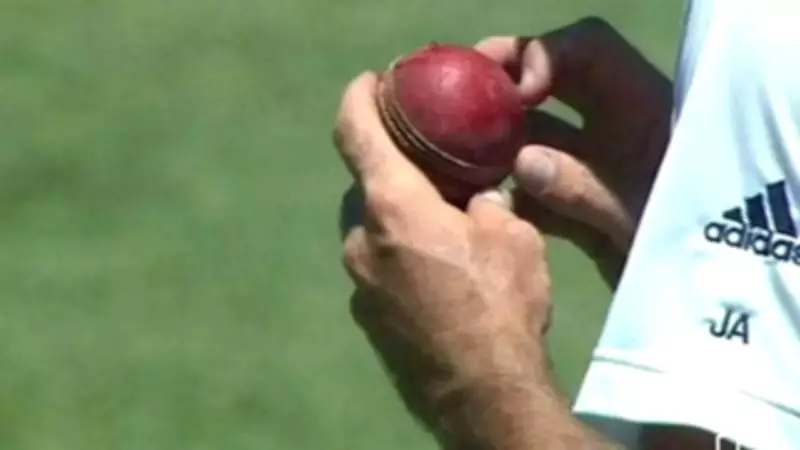
England's Dawid Malan Sparks Debate with Ball Tampering Proposal
England cricketer Dawid Malan has ignited a fresh controversy in the cricketing world by advocating for a radical change to the sport's regulations. In a bold move, Malan has suggested that cricket should legalize a limited, controlled form of ball tampering to address the growing imbalance between bat and ball, particularly in modern formats where batters often dominate proceedings.
Historical Context and Practical Reasoning
Speaking candidly on BBC's Strategic Timeout podcast, Malan pointed out that ball tampering has been an undercurrent in cricket for decades, with numerous players caught attempting to alter the ball over the years. He emphasized that this is not a new phenomenon, but rather a persistent aspect of the game that authorities have struggled to eliminate completely.
"Historically, over the game, people have been caught trying to tamper with the ball for years. You know it's not a new thing. I actually think you should legalize it, like just let people scratch the ball," Malan stated during the podcast interview.

However, Malan was quick to clarify that his proposal comes with important limitations. He stressed that any legalized tampering should not involve bringing external objects onto the field, but rather focus on natural methods that players can employ using their hands or within the existing framework of the game.
The Skill of Reverse Swing
Central to Malan's argument is the art of reverse swing, which he describes as "a skill in itself" that has become increasingly rare in contemporary cricket. He believes that allowing slight, controlled alterations to the ball could revive this crucial bowling technique that has been diminished by strict regulations, frequent ball changes, and pitch conditions that heavily favor batters.
"Obviously, do not bring things in from outside. But, it's a skill in itself — to get the ball to reverse swing," Malan explained, highlighting the technical expertise required to master this aspect of bowling.
Addressing Bowling Challenges in Modern Cricket
Malan's primary concern revolves around the mounting difficulties faced by bowlers, especially during the critical final overs of limited-overs matches. With batters becoming increasingly skilled and aggressive, equipped with innovative shots and powerful hitting capabilities, bowlers find themselves at a significant disadvantage.
"I think it would make cricket a lot more bowler-friendly towards the end, if you can get the ball reversing," Malan asserted. "I think it would make games tighter towards the end, and it wouldn't just be winning with six wickets in hand."
He elaborated on how the ability to generate reverse swing could transform the dynamics of a match's closing stages, making those crucial overs more competitive and unpredictable rather than one-sided batting exhibitions.
A Practical Adjustment to Evolving Game Dynamics
For Malan, this proposal represents not a wild or revolutionary idea, but rather a practical adjustment to reflect how cricket has evolved. He views it as a necessary recalibration to restore competitive balance in an era where batting technology, training methods, and player conditioning have advanced dramatically.
"Batters are so skilled now, that if you can get any tactical advantage with the ball, shaping it a little bit, reverse swinging it, you want to do what you can to do that," Malan explained. "If you can get the ball to move, it makes such a difference at the death — the hardest overs to bowl."
His comments highlight the growing concern among many cricket observers about the increasing dominance of batters across all formats of the game. While rule changes over the years have often favored scoring rates and entertainment value, they have sometimes come at the expense of bowling competitiveness.
Potential Implications and Broader Discussion
Malan's suggestion is likely to generate extensive debate within cricketing circles, touching on fundamental questions about:

- The balance between tradition and innovation in sports regulations
- The ethical boundaries of competitive advantage
- The practical implementation of controlled tampering rules
- The impact on different formats of the game
- The preservation of bowling arts like reverse swing
While his proposal may face resistance from traditionalists and those concerned about maintaining the sport's integrity, it addresses genuine concerns about competitive balance that have been raised by players, coaches, and analysts in recent years.
The discussion comes at a time when cricket's governing bodies continually evaluate rules and playing conditions to ensure the sport remains engaging for players and spectators alike while maintaining fair competition between batting and bowling disciplines.