FC Goa Players Agree to Salary Reduction as ISL Clubs Navigate Financial Challenges
FC Goa players, led by captain Sandesh Jhingan, have voluntarily accepted a salary cut for the current season. This decision comes at a time when many other Indian Super League clubs remain engaged in difficult negotiations with their own squads.
Financial Pressures Mount for ISL Clubs
The absence of a commercial partner for the Indian Super League and a delayed start to the season have created significant financial strain. Clubs will not receive central revenue sharing and face reduced sponsorship income, leading to potentially substantial losses this year.
The league format itself has been significantly reduced. Instead of last season's minimum of 26 matches, this year's competition will feature just 13 matches in a single-leg format, followed by six-team playoffs.

FC Goa's Transparent Approach
"This was not an easy decision for the players," said FC Goa CEO Ravi Puskur. "It was a selfless one. We maintained complete transparency throughout our discussions. We presented the situation honestly without sugarcoating anything."
Puskur explained that when the club made its request for salary reductions, players understood the circumstances. "They took their time to consider the proposal and eventually put their best foot forward," he added.
FC Goa coach Manolo Marquez and the entire coaching staff have also agreed to reduced remuneration until the season concludes.
Mixed Responses Across the League
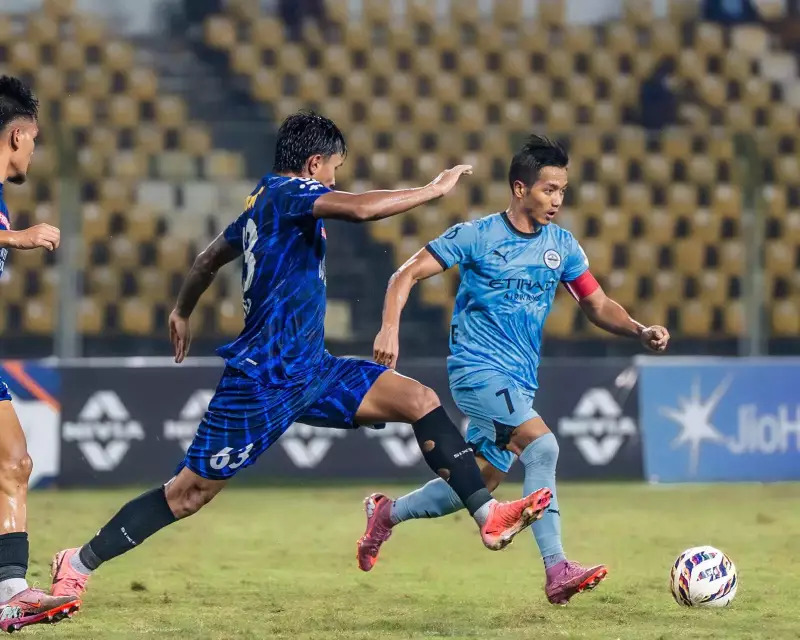
Meanwhile, Mumbai City FC players have taken a different stance. Led by captain Lallianzuala Chhangte, they have formally informed their club that they cannot accept salary reductions.
"Players have signed professional contracts that need to be honored," explained one Mumbai player. "We have numerous financial commitments. We have detailed all our reasons in a formal letter to the club."
Player Rights Organization Weighs In
FIFPRO Asia/Oceania, the international player representative body, has issued guidance to ISL clubs. They emphasize the importance of respecting players' contractual rights, particularly given that many players experienced unpaid periods recently.
"The league's restart must not come at the expense of players' fundamental rights," FIFPRO stated in a Friday announcement. "We respect any voluntary agreements between players and clubs and encourage good faith negotiations."
The organization warned that "any attempt to coerce players into amending their terms represents abusive practice under FIFA and AIFF regulations."
Other Clubs Negotiate Terms
NorthEast United has reached an understanding with players, coaching staff, and administration regarding necessary salary adjustments. Club owner John Abraham recently emphasized the need for the team to "stand united" during challenging times.
Several other clubs continue negotiations with their players:
- Bengaluru FC
- Kerala Blasters FC
- Chennaiyin FC
- Mumbai City FC
"We are currently speaking with our players and staff," said Kerala Blasters CEO Abhik Chatterjee. "We are in the process of streamlining expenditures for this season."
Sources indicate Chennaiyin FC is nearing an agreement with its players. Bengaluru FC management expects to learn next week whether players will accept the club's proposed reductions.
Bengaluru owner Parth Jindal has publicly stated that "without players helping out, many clubs will be forced to shut shop for good."
The financial challenges facing ISL clubs highlight broader economic pressures in Indian football. As teams navigate these difficult circumstances, player-club relationships and contractual obligations remain central to the league's stability.