Gautam Gambhir's Coaching Philosophy Transforms Indian Cricket
"We are a gun team." These were the first words spoken by Gautam Gambhir to a young and inexperienced Test squad under rookie captain Shubman Gill during their tour of England last summer. That single, powerful statement eradicated lingering doubts within the dressing room, setting the tone for a hard-fought 2-2 series draw against a formidable opponent.
From Test Struggles to T20 Dominance
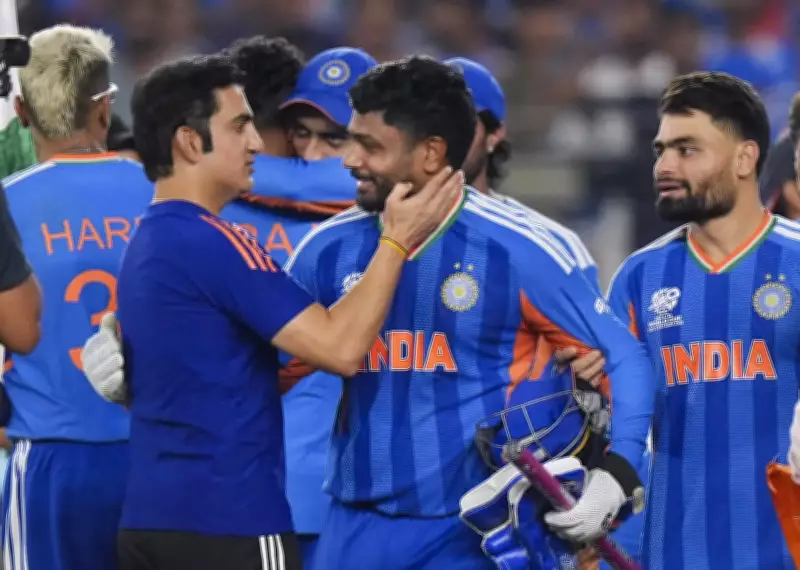
While Gambhir's record as head coach in Test cricket has been largely disappointing, excluding the high of that England series, his impact on the T20 format has been nothing short of revolutionary. Since taking charge in July 2024, Gambhir has owned T20 cricket, culminating in India's recent T20 World Cup victory. His extensive experience in franchise cricket, combined with an unshakeable power of conviction, consistently keeps his team a strategic step ahead of all competitors in this fast-paced format.
India's current status as the undisputed power center of T20 cricket is deeply intertwined with the proliferation and success of the Indian Premier League. Gambhir himself is a quintessential product of the IPL ecosystem. Two strong, impactful seasons with the Lucknow Super Giants, followed immediately by a championship-winning campaign with the Kolkata Knight Riders, propelled him directly into the prestigious role of Team India head coach, a position vacated by the respected Rahul Dravid.

A Non-Conformist Approach to Team Building
When Gambhir assumed leadership, "transition" was the prevailing buzzword. However, for the new coach, the mission was never about establishing a rigid, concrete template. He demonstrated a willingness to make wholesale, significant changes to a T20 squad that had just celebrated a trophy win in Barbados. His methodology, while appearing regimented at first glance, always incorporates sufficient flexibility for on-the-fly, instinctive decision-making during high-pressure matches.
In his media interactions, Gambhir unfailingly invokes the powerful rhetoric of "playing for 140 crore Indians." The underlying, non-negotiable principle of his regime has been a steadfast commitment to current form over past reputation. Captain Suryakumar Yadav stands as the sole exception to this rule, a decision Gambhir justifies by emphasizing the critical need for an on-field leader whose thought process and vision are perfectly aligned with his own.
Bold Decisions and Cultural Shifts
Gambhir's selection calls have frequently bordered on the whimsical and daring. He wears his non-populist, controversial decisions like a badge of honor. This approach, however, aligns perfectly with the inherently fickle and unpredictable nature of T20 cricket. In retrospect, some critics argue he is overly consumed by this dynamic process. While it yields spectacular results in the shortest format, it may potentially hinder the continuity and patience demanded by the longer formats of the game.
The debate over whether India should split its coaching thinktank across different formats continues, but Gambhir has made his displeasure with such a suggestion abundantly clear. He is a proud nonconformist who successfully persuaded national selectors to align with his radical vision. Ignoring established young brands of Indian cricket like Shubman Gill, Rishabh Pant, and Shreyas Iyer represented cold-blooded, calculated gambles. Gambhir consistently maintains that T20 cricket is a distinct sport, requiring a unique and specialized skill set.
Instilling Discipline and Facing the Future
Indian cricket initially appeared unprepared for such a profound cultural shift at the dawn of his tenure. Today, the system has wholeheartedly embraced the change. Sources close to the team management reveal that just before the T20 World Cup, wicketkeeper-batter Sanju Samson was delivered a strong, clear message regarding the detrimental habits that had crept into his technique. While Ishan Kishan flourished at the top of the order, Gambhir invested overtime, working meticulously with Samson to eliminate an exaggerated shuffle deep in the crease and stabilize the batter's foundational stance.

The lone, notable tactical blunder occurred during the Super-8 stage, when he sacrificed vice-captain Axar Patel for an underprepared Washington Sundar in a crucial defeat to South Africa. Now that Gambhir has emphatically delivered success in his strongest format as a master tactician, all eyes are on how he will reboot and adapt as the focus inevitably shifts toward the 2027 ODI World Cup and the ongoing World Test Championship cycle. The central question remains: Will he demonstrate the necessary flexibility to craft and execute effective, long-term strategies for the more demanding, traditional formats of the game?