Sunil Gavaskar Condemns Pakistan's 'Baffling' Decision to Boycott India Match at T20 World Cup
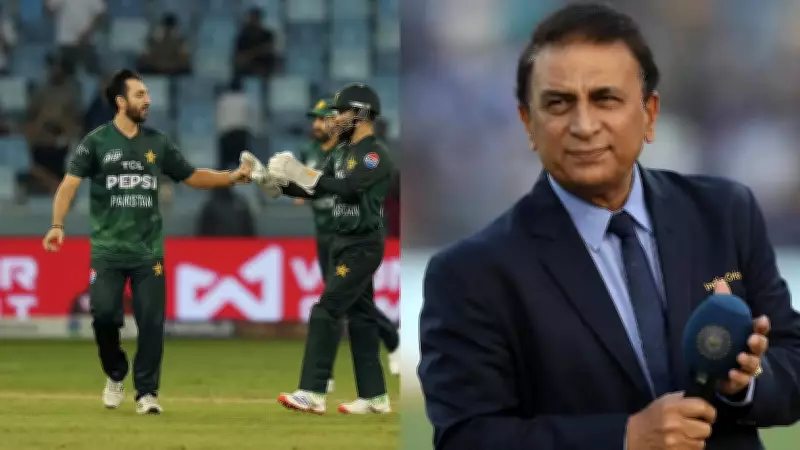
Cricket legend and former Indian captain Sunil Gavaskar has launched a scathing critique of Pakistan's controversial decision to refuse playing against India in their scheduled T20 World Cup 2026 group stage fixture. The match was set for February 15 in Sri Lanka, where the tournament commenced on February 7.
"Opt Out of the Entire Tournament" - Gavaskar's Fiery Response
In his column for Sportstar, Gavaskar expressed bewilderment at Pakistan's selective boycott, suggesting a more drastic course of action if they genuinely felt aggrieved by ICC decisions. "If they felt Bangladesh had been hard done by the ICC, they should have opted out of the entire tournament, and not just the match against India," Gavaskar wrote emphatically.
He characterized Pakistan's move as politically calculated, noting "With the political situation in Bangladesh in massive churn, and with general elections due in a few days, Pakistan saw a chance to cosy up to Bangladesh." Gavaskar described the decision as "baffling" since the Pakistani government approved their team's tournament participation while specifically prohibiting the India encounter.

Political Dimensions and Government Directive
The controversy stems from Bangladesh's unsuccessful request to relocate their matches from India to Sri Lanka, citing security concerns. Pakistan supported Bangladesh in ICC meetings, with PCB chairman Mohsin Naqvi even threatening tournament boycott.
Pakistan's formal announcement came via social media: "The Government of the Islamic Republic of Pakistan grants approval to the Pakistan Cricket Team to participate in the ICC World T20 2026, however, the Pakistan Cricket Team shall not take the field in the match scheduled on 15th February against India."
Gavaskar noted that Pakistani cricket and political figures framed this as resistance against perceived Indian bullying, though he questioned this narrative: "Only they can explain how India bullies other nations into voting with them."
Broader Implications for International Cricket
The cricket icon also addressed wider geopolitical tensions within the sport, taking aim at traditional power centers uncomfortable with India's growing influence. "Then there are some others, especially from the old powers, for whom India replacing them as the power centre in the world game has never gone down well," Gavaskar observed.
He highlighted the double standard in international cricket politics: "They were quick to join the noise and ask whether, if India had decided not to play in a country, the ICC would have accepted their position or thrown them out of the tournament."
This incident raises significant questions about:
- The intersection of politics and international sports
- ICC's authority in managing member nation disputes
- The future of high-profile cricket rivalries amid geopolitical tensions
- Consistency in applying tournament rules to all participating nations
As the T20 World Cup progresses without this marquee clash, Gavaskar's comments underscore the deepening complexities in cricket diplomacy, where on-field rivalries increasingly reflect off-field political maneuvering. The boycott not only deprives fans of a classic contest but challenges the fundamental principle of sportsmanship in international tournaments.