Gavaskar Urges BCCI to Strengthen IPL Withdrawal Rules After Duckett's Exit
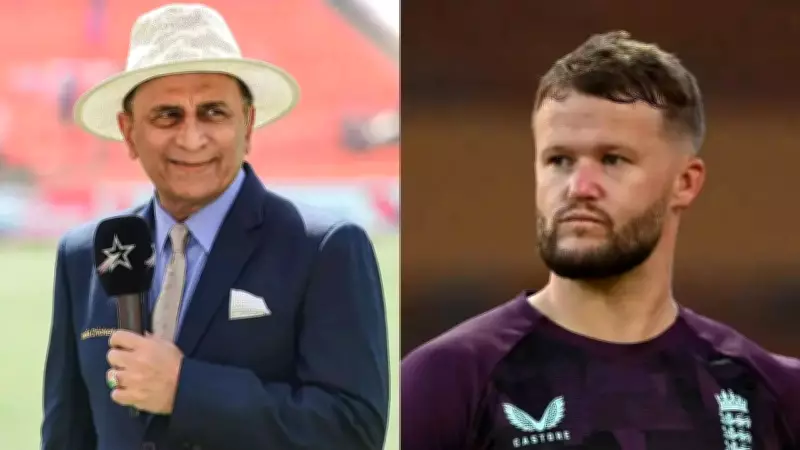
Legendary Indian cricketer Sunil Gavaskar has issued a strong call for the Board of Control for Cricket in India (BCCI) to implement significantly tougher penalties for last-minute withdrawals from the Indian Premier League (IPL). This demand comes in response to England batsman Ben Duckett's recent decision to pull out of IPL 2026 just days before the tournament's commencement, despite being purchased by Delhi Capitals for Rs 2 crore at the auction.
Current Punishment System Failing to Deter Players
Gavaskar expressed deep concern about the effectiveness of the existing disciplinary measures during an interview with India Today. The current IPL regulations impose a two-year ban on overseas players who withdraw after being selected at the auction without providing valid injury-related reasons. However, Gavaskar emphasized that this punishment has proven insufficient as a deterrent against repeated violations.
"What should be done is something for the BCCI to think about, because a two-year ban is obviously not working," Gavaskar stated unequivocally. "You have to look at something that will have an impact. As long as it's not having an impact on the player and his chances of coming back to the IPL, it won't work."

Duckett's Withdrawal Creates Team Disruption
Ben Duckett's eleventh-hour withdrawal has left Delhi Capitals' preparations in significant disarray, forcing the franchise to scramble for replacement options mere days before the tournament begins. The England opener defended his decision by emphasizing his commitment to national duty, stating that "turning down a good chunk of money... is a step in the right direction to show how much playing for England means to me."
While Gavaskar acknowledged Duckett's prioritization of Test cricket following a demanding international schedule, he stressed that understanding the player's perspective does not justify the negative consequences for the league. "It is a tough one... one can understand that he wants to focus on his England Test career," Gavaskar conceded before highlighting the broader implications.
Pattern of Withdrawals Undermines League Integrity
Duckett's exit represents the latest in a concerning pattern of last-minute withdrawals that have plagued the IPL in recent seasons. This incident follows similar cases including that of fellow English batsman Harry Brook, who is currently serving a ban after withdrawing in a previous season. These repeated violations have reignited serious debates about player accountability and contractual obligations within the world's premier T20 league.
The former India captain pointed out that such withdrawals fundamentally disrupt team balance, strategic planning, and overall league integrity. Franchises invest substantial resources in auction strategies and squad building, only to have their preparations upended by unexpected player departures.
Need for Meaningful Consequences
Gavaskar's comments highlight a growing consensus that the current penalty structure lacks meaningful consequences for players who prioritize other commitments over their IPL obligations. The two-year ban, while appearing substantial on paper, has failed to prevent recurring incidents that compromise the competitive fairness of the tournament.
The cricket icon hinted strongly that unless the BCCI enforces stricter, more impactful penalties that genuinely affect players' future IPL prospects and financial considerations, this troubling trend of last-minute withdrawals will likely continue unabated. This situation presents a significant governance challenge for cricket administrators as they balance player welfare with league integrity.
As the IPL continues to attract global superstars and maintain its position as cricket's most lucrative domestic competition, establishing robust mechanisms to ensure player commitment has become increasingly crucial for maintaining the league's competitive balance and commercial viability.