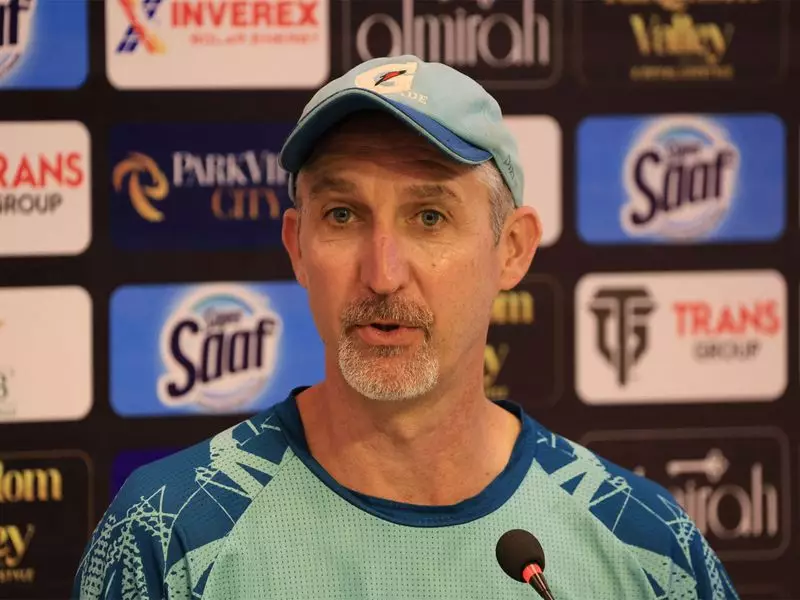
In a candid revelation that has sent shockwaves through the cricketing community, former Australian fast bowler Jason Gillespie has detailed the series of deeply unsettling and "humiliating" issues that led him to walk away from the prestigious position of head coach for the Pakistan men's national cricket team. The celebrated cricketer turned coach was widely considered the frontrunner for the high-profile job but ultimately declined the offer after a tumultuous negotiation process with the Pakistan Cricket Board (PCB).
The Deal That Unraveled: Contractual Chaos and Last-Minute Changes
Jason Gillespie, currently the head coach of the South Australian Redbacks and the Adelaide Strikers in the Big Bash League (BBL), was formally approached by the PCB in the wake of the 2024 T20 World Cup. The board was seeking a permanent replacement for former coach Grant Bradburn. Initial discussions appeared positive, with both parties moving towards a formal agreement.
However, the situation deteriorated rapidly when the final formal offer arrived. Gillespie described receiving a contract that was starkly different from what had been discussed verbally. The most shocking alteration was a drastic reduction in the remuneration package. "The goalposts kept changing," Gillespie stated, highlighting a lack of professionalism that left him bewildered. He emphasized that while financial terms were a factor, the principal issue was the breach of trust and the unprofessional manner in which the negotiations were handled at the eleventh hour.

Gary Kirsten, who was recently appointed as the white-ball coach for Pakistan, was also reportedly involved in discussions about Gillespie potentially joining the coaching staff in a red-ball role, adding another layer of complexity to the failed negotiations.
Beyond Money: Logistical Nightmares and Security Concerns
The problems extended far beyond the contract itself. Gillespie pointed to a critical and non-negotiable logistical hurdle concerning his family's safety and comfort. A key condition for his acceptance was secure and appropriate accommodation for his family in Pakistan. The PCB had assured him that a suitable and safe housing solution would be arranged.
This assurance, like others, fell apart. The board later informed him that he and his family would instead be required to live in a hotel for the entire duration of his tenure. For a coach expected to build a long-term project and for a family needing a stable home environment, this was an unacceptable proposition. This failure to meet a basic, pre-agreed condition underscored a broader pattern of mismanagement and contributed significantly to his decision to withdraw.
A Pattern of Disrespect and the Final Decision
Gillespie's account paints a picture of a process riddled with disrespect and poor communication. He described feeling "completely humiliated" by the entire experience, noting that the PCB's conduct made it seem as though they were doing him a favour by even considering him for the role, rather than treating it as a professional negotiation with a highly qualified candidate.
The cumulative effect of the slashed salary, the broken promise on family accommodation, and the overall demeaning negotiation tactic left Gillespie with no choice. He formally communicated his decision to reject the offer to the PCB, choosing to continue his successful coaching career in Australia rather than enter into a fraught and unstable partnership.
The PCB has since appointed former Australian all-rounder David Hussey as an assistant coach to support Gary Kirsten in the white-ball setup, while the search for a dedicated red-ball coach continues. Gillespie's revelations, however, raise serious questions about the operational and professional standards within the PCB's administration, especially under the current leadership. It serves as a cautionary tale for other international coaches who might consider roles within the Pakistan cricket ecosystem, highlighting that challenges may extend far beyond the cricket field.