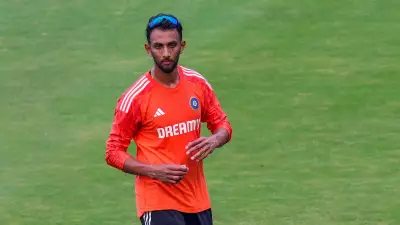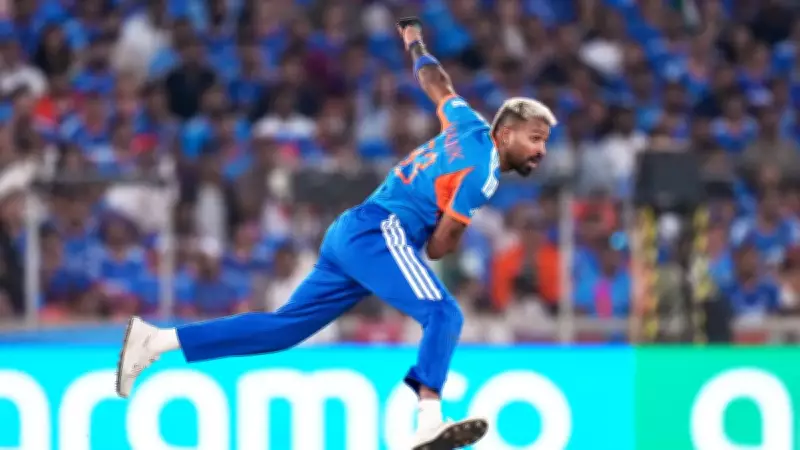
Hardik Pandya has been ruled out of the upcoming ODI series against Afghanistan due to a recurring injury, raising questions about the effectiveness of the Board of Control for Cricket in India's (BCCI) Centre of Excellence in Bengaluru.
What Happened?
The all-rounder, who was expected to lead the Indian team in the absence of regular captain Rohit Sharma, reported discomfort in his lower back during a training session at the National Cricket Academy (NCA). Subsequent scans revealed a stress reaction, forcing him to miss the three-match series starting June 15.
This is not the first time Pandya has faced such issues. His injury history includes multiple back problems, which have often sidelined him during crucial series. The latest setback has sparked a debate about the rehabilitation protocols at the BCCI's Centre of Excellence, which was established to provide world-class medical and training facilities for injured cricketers.

BCCI's Centre of Excellence Under Scrutiny
The Centre of Excellence, previously known as the NCA, has been criticized for its handling of player injuries. Despite significant investment in infrastructure and medical staff, several key players have suffered recurrent injuries after being cleared for return.
Former Indian cricketer and commentator Aakash Chopra expressed concern, stating, "The system needs a thorough review. Hardik's case is a classic example of mismanagement. He was declared fit, played in the IPL, and now he's injured again. Something is clearly not working."
Reports suggest that Pandya had been bowling full tilt in the nets just days before the injury, indicating a possible breakdown in load management. The BCCI has yet to issue an official statement on the matter.
Impact on Team India
Pandya's absence leaves a significant void in the Indian middle order. His explosive batting and medium-pace bowling provide crucial balance to the team. With the ODI World Cup scheduled later this year, his fitness remains a major concern for the selectors.
In his absence, the team management is likely to turn to Shardul Thakur or Washington Sundar as replacements. Both players offer similar skills but lack Pandya's experience and match-winning ability.
The BCCI's medical team is now under pressure to ensure Pandya's full recovery ahead of the Asia Cup and the World Cup. However, questions linger about the efficacy of the rehabilitation programs at the Centre of Excellence.
What Lies Ahead?
Hardik Pandya's recurring injuries highlight the need for a more robust player management system. The BCCI must address the gaps in its medical and training infrastructure to prevent such setbacks in the future. For now, Indian fans will hope for a swift recovery for one of their most dynamic cricketers.