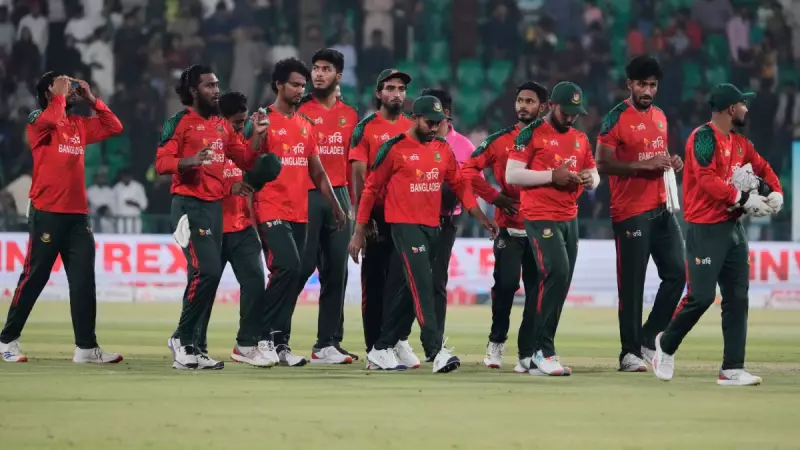
The International Cricket Council (ICC) is set for a high-stakes meeting with the Bangladesh Cricket Board (BCB) following a major diplomatic and sporting standoff. The crisis erupted after the BCB officially refused to send its national team to India for the group stage matches of the T20 World Cup 2026, citing unresolved security and logistical concerns.
The Core of the Dispute: Security and Political Tensions
According to sources, the Bangladesh Cricket Board (BCB) has formally communicated its decision to the ICC, stating it will not travel to India for its allotted matches in the prestigious tournament. The refusal is rooted in long-standing apprehensions regarding the safety and security of its players and support staff. This move is seen as an unprecedented step in modern cricket, where bilateral tensions have directly impacted a multi-nation ICC event.
Board officials have pointed to a perceived lack of adequate security assurances and the potential for political friction to spill over into the sporting arena. The decision, made by the BCB's top leadership, has sent shockwaves through the cricketing community, forcing the game's global governing body to step in urgently.

ICC's Emergency Intervention and Potential Fallout
The ICC has scheduled a crucial meeting with BCB representatives to address the impasse. The council's primary objective is to mediate and find a resolution that ensures the smooth conduct of the World Cup, which is co-hosted by India and Sri Lanka. A failure to resolve this issue could force a significant reworking of the tournament's group stage schedule and logistics.
Potential consequences being discussed behind closed doors include:
- Relocating Bangladesh's matches to Sri Lanka or another neutral venue.
- Re-drawing the group compositions, which could affect other qualified teams.
- Applying financial and sporting penalties on the BCB for breaching its tournament participation agreement.
The ICC is understood to be applying intense diplomatic pressure, emphasizing the spirit of the sport and the contractual obligations all member boards agree to when qualifying for its events.
Broader Implications for Cricket Diplomacy
This incident transcends a simple scheduling conflict. It highlights how geopolitics can directly influence international sporting spectacles. The refusal to travel to India sets a concerning precedent and threatens to fragment the cricketing calendar along political lines. Fans and analysts are worried that this could encourage other nations to make similar demands based on bilateral relations, undermining the integrity of global tournaments.
The outcome of the ICC-BCB talks will be closely watched by all cricket-playing nations. It will test the ICC's authority in enforcing its event protocols and its ability to keep politics separate from the game. A resolution is urgently needed to prevent further escalation and to ensure the focus remains on cricket as the T20 World Cup 2026 approaches.
All eyes are now on the meeting room where the future of one team's participation and the precedent for handling such disputes will be decided.