India vs Zimbabwe: The Uttar Pradesh Connection Fueling Zimbabwe's T20 World Cup Surge
In a high-stakes Super 8 clash at the T20 World Cup 2026, Team India is poised to unleash havoc and hellfire on the Zimbabwe juggernaut, with no room for empathy as defending champions battle stern odds for a semi-final berth. Interestingly, Zimbabwe's magical run—unbeaten in the group stage with wins against Australia and Sri Lanka—has a deep-rooted connection to India, specifically Uttar Pradesh, through their strategic performance coach Rivash Gobind.
The Indian-Origin Coach Behind Zimbabwe's Transformation
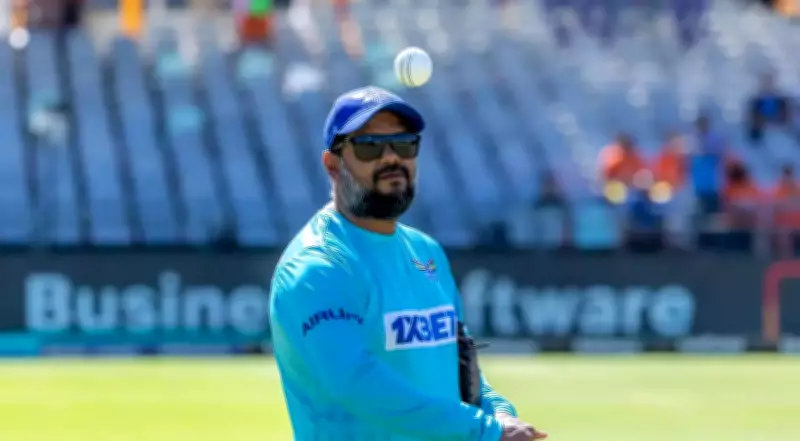
Rivash Gobind, a South African coach of Indian descent, played a pivotal role in steering the 'Chevrons' through turmoil, fostering a team-first philosophy alongside head coach Justin Sammons. In an exclusive interaction, Gobind revealed, "My ancestors arrived from India around 1906, working as labourers in Durban. My family traces its roots back to Uttar Pradesh." His journey from a professional cricketer for the Dolphins to coaching began after hanging up his boots, leading to a collaboration with Sammons that started in the South African national team under Mark Boucher and extended to Zimbabwe.
Overcoming Adversity and Building a New Culture
Initially, Gobind's review of Zimbabwe cricket was less than flattering. "One of the first things we did was reflect on what Zimbabwe had achieved in their so-called glory years. However, they weren't really successful in comparison to teams like India and Australia," said the 43-year-old coach. "The perception was of a group way behind the rest of the world. Non-qualification for major tournaments fed into that narrative. But we saw potential that required hard work."

Circumstances worsened when Zimbabwe lost to Uganda in the T20 World Cup 2024 African Qualifier, failing to qualify and forcing a rebuild from Division 2 qualifiers. Gobind emphasized focusing on characters who could buy into their vision, with a specific emphasis on young players like Sikandar Raza and Brian Bennett. New training techniques, workload management, and a strong off-field culture centered on fitness and mentality were introduced, empowering players to embrace the process.
Tough Calls and Professional Shifts
The shift to a professional approach wasn't easy. "Some senior players enjoy public backing. At the start, there were a lot of questions about why X and Y aren't playing. It was tough to hold your ground and say, 'This is going to work in the long run,'" stated Gobind. Support from fielding coach Stuart Matsikenyeri and Sammons' communication skills helped navigate the system and manage seniors effectively.
As confidence grew, individuals like captain Sikandar Raza stepped forward. Initially, Sammons and Raza had disagreements on team direction, but honest conversations led to solutions. Australian coach Simon Helmot noted, "Raza is the ultimate competitor and has continuously evolved. We've often spoken about making sure that good people are picked over those likely to perform. He's really involved in team culture and getting the best out of individuals."
Smart Batting and Team-First Approach
One of Zimbabwe's standout features in the World Cup has been their mature batting approach, prioritizing composure over big hits. In a match against Australia, they scored 169/2 by sacrificing ego for smart batting—hitting gaps and running hard—which proved sufficient for victory. This clarity stems from a long-developed blueprint where implementation trumps flashy strokeplay.
Top run-getter Brian Bennett, with 180 runs at a strike rate of 124.14, exemplifies this mentality. Gobind explained, "There is no push to bat at a certain strike rate to look fancy but cost the team down the line. This is possible because of Sammons' team-first approach, where a win is all that matters. Bennett has a clearly defined role and simply aims to get the team to a winning score."

Facing India with Heads Held High
Despite a 107-run loss to West Indies in their previous match, Zimbabwe enters the clash against India with heads held high, ready to plug away in quest of another miracle. As Team India aims to inflict havoc, the story of Rivash Gobind and Zimbabwe's rise from adversity adds a compelling layer to this high-octane encounter, showcasing how cultural roots and strategic shifts can redefine a team's destiny on the global stage.