India Creates History with Dominant T20 World Cup Victory in Ahmedabad
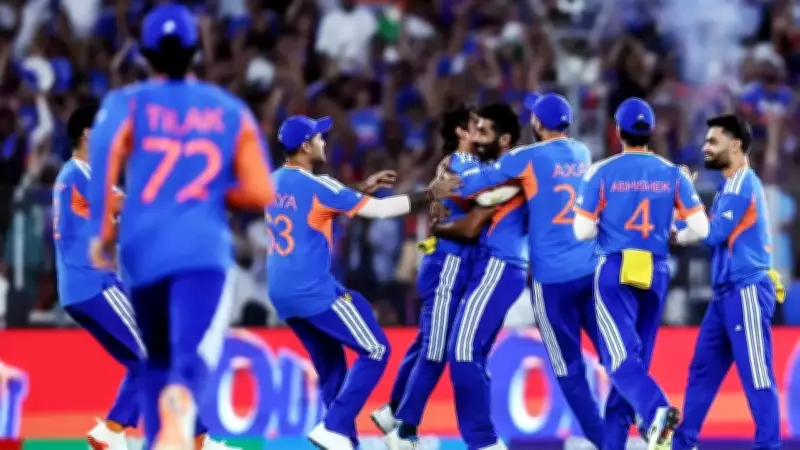
On a memorable night at the Narendra Modi Stadium in Ahmedabad, the Indian cricket team exorcised the ghosts of past heartbreaks by clinching the 2026 T20 World Cup title with a commanding performance against New Zealand. This victory marks India's second consecutive T20 World Cup triumph, making them the first team in history to achieve this remarkable feat and the first to lift the trophy on home soil.
Redemption Complete for Indian Cricket
Since that emotional night on November 19, 2023, when India fell short in the 50-over World Cup final at the same venue, the team had carried the weight of a billion heartbreaks. Despite winning the 2024 T20 World Cup and the 2025 Champions Trophy under captain Suryakumar Yadav's leadership, a sense of incompleteness lingered. The 2026 final presented the perfect opportunity for redemption, and India seized it with both hands.
Under the guidance of coach Gautam Gambhir, who secured his second ICC trophy in as many tournaments, India approached the final with cautious optimism. The team had not lost a single series since Yadav took charge in 2024, but the World Cup stage demanded something special. What followed was a clinical display of dominance that left no doubt about India's supremacy in T20 cricket.

Batting Carnage Sets Up Massive Total
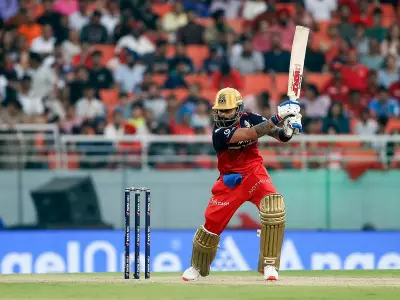
After New Zealand captain Mitchell Santner won the toss and elected to field, Indian openers Sanju Samson and Abhishek Sharma unleashed an unprecedented assault on the Kiwi bowling attack. The pair put on 98 runs in just 43 balls, with Sharma racing to the fastest half-century of the tournament off only 18 balls. His 52 off 21 deliveries, though not always in complete control, provided the explosive start India needed.
Samson continued the onslaught with a masterful 89 off 46 balls, displaying pristine form and impeccable shot selection. His partnership with Ishan Kishan, who smashed 54 off just 25 deliveries, added 105 runs in only 48 balls. The Indian batting lineup feasted on what appeared to be listless New Zealand bowling, particularly during the powerplay where they posted 92/0 – the highest powerplay score in T20 World Cup history.
Key batting performances included:- Sanju Samson: 89 runs off 46 balls
- Abhishek Sharma: 52 runs off 21 balls
- Ishan Kishan: 54 runs off 25 balls
- Shivam Dube: 26 not out off 8 balls
The carnage began in earnest when Jacob Duffy was introduced into the attack. After scoring 12/0 in the first two overs, India added 80 runs in the next four overs, with Lockie Ferguson's fourth over conceding 24 runs. This set the tone for the remainder of the innings as India posted a mammoth 255 for 5 – a total that proved well beyond New Zealand's reach.
Bowling Excellence Seals Comprehensive Victory
Chasing 256 for victory, New Zealand needed a miraculous performance but found themselves overwhelmed by both the occasion and India's disciplined bowling attack. The powerplay proved decisive as Indian bowlers broke the back of the chase early, reducing New Zealand to 52/3 in the first six overs.
Jasprit Bumrah led the charge with exceptional figures of 4/15, coming close to a hat-trick at one stage. Axar Patel provided excellent support with three wickets, while Hardik Pandya, Varun Chakaravarthy, and Abhishek Sharma claimed one wicket each. Only Arshdeep Singh went wicketless, though he created chances that weren't capitalized on in the field.
For New Zealand, only Tim Seifert (52) and captain Mitchell Santner (43) offered meaningful resistance as the team collapsed to a comprehensive defeat. Santner had hoped to replicate Australia's success from three years earlier, but instead witnessed an insipid batting display from his team.
A New Era of Indian Cricket Dominance
This victory completes a remarkable two-year cycle for Indian cricket under the leadership of Suryakumar Yadav and coach Gautam Gambhir. The team has now established itself as the dominant force in T20 international cricket, with this back-to-back World Cup triumph serving as the crowning achievement.

The emotional significance of winning at the Narendra Modi Stadium cannot be overstated. Three years after suffering heartbreak at the same venue, India returned with renewed purpose and delivered a performance that will be remembered for generations. The team not only lifted the trophy but did so in front of over 85,000 passionate fans who witnessed history being made.
As the celebrations begin across the nation, this victory represents more than just another ICC trophy. It symbolizes the resilience, talent, and determination of an Indian cricket team that has learned from past disappointments and emerged stronger than ever. The era of Indian T20 dominance has well and truly arrived.