Nilesh Kulkarni Sounds Alarm on India's Looming Spin Bowling Void
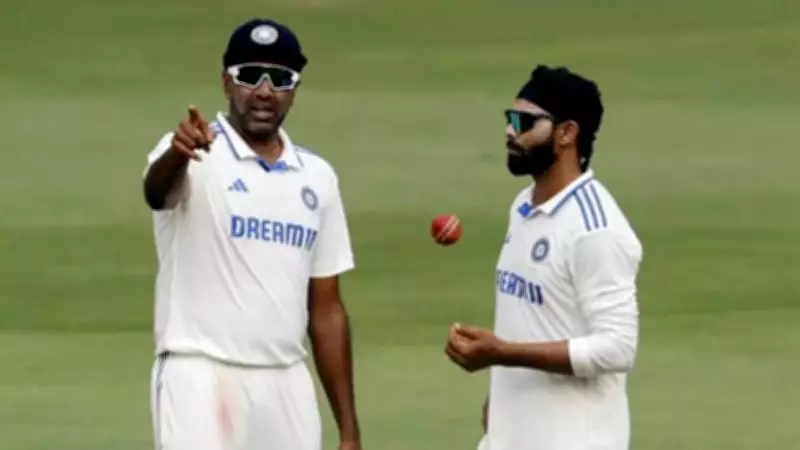
As Indian cricket navigates a pivotal transition in its storied spin-bowling legacy, former left-arm spinner Nilesh Kulkarni has delivered a critical assessment of the current landscape. In an exclusive interview, Kulkarni emphasized the pressing need to identify and nurture the next generation of match-winning spinners, particularly with the imminent retirement of stalwarts Ravichandran Ashwin and Ravindra Jadeja.
The Red-Ball Challenge and the Search for Successors
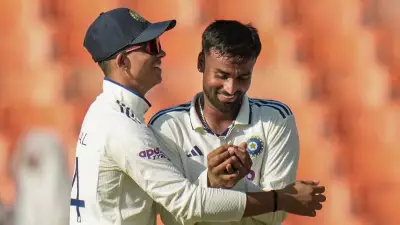
Kulkarni underscored that every cricketing era demands its own set of skills, especially in red-ball cricket where taking 20 wickets is paramount for Test victories. He reflected on India's rich history, from Anil Kumble and Harbhajan Singh to the dominant Ashwin-Jadeja duo, who have successfully shouldered the spin attack in recent years.
"My worry right now is identifying the pair that will take over this crucial role," Kulkarni stated. "With Ashwin already retired and Jadeja nearing the end of his career, we must start investing in bowlers who can deliver five-wicket hauls and excel in red-ball cricket, both at home and overseas."

Domestic Structures and Talent Development
Addressing the challenges Indian batters face against spin, Kulkarni pointed to evolving pitch conditions and standardized structures that may limit bowlers' advantages. However, he asserted that quality spinners can still thrive with the right skills. He noted that while every First Class, U-23, and U-19 team fields multiple spinners, the focus must shift from mere availability to creating match-winners.
"Are we working on these talents to become match-winners? This is where we need to concentrate," he emphasized. "Earlier, intense competition pushed spinners to excel or make way for newcomers. That dynamic needs to be revived."
The Impact of T20 Cricket and Pitch Debates
Kulkarni dismissed blaming T20 competitions for struggles in red-ball cricket, arguing that adaptability is key. "T20 is here to stay. As bowlers, we must learn to adapt across formats," he said, citing examples like Ashwin and Jadeja who have excelled in both arenas. He also addressed the emphasis on pitch conditions in Test series, noting that while neutral curators have changed narratives, spinners with refined skills can perform on any surface.
He advocated for more domestic cricket to challenge players against diverse opponents, praising current selectors for prioritizing First Class matches in selection criteria. "This encourages exposure to different conditions and allows youngsters to learn from established players," he added.
AI's Role in Sports: Complementing, Not Replacing
Shifting focus to technology, Kulkarni expressed strong support for Artificial Intelligence in sports, viewing it as a complementary tool rather than a replacement for human elements. "AI will create 30-50% more job opportunities in sports over the next 3-5 years," he predicted, highlighting areas like athlete management, media, and data analytics.
He clarified that AI cannot replace coaches or physical roles such as biomechanists or nutritionists but can enhance decision-making. "In sports, AI will complement and add advantage, but it cannot replace the human component," Kulkarni asserted, linking this to India's ambitions to host major events like the 2036 Olympics.
Educational Initiatives and Future Outlook
Kulkarni also discussed his collaboration with IIM Mumbai, where sport is used as a vehicle to impart management lessons. This unique program focuses on pre-event preparation and planning, integrating critical thinking and leadership skills through sports analogies.
In conclusion, Kulkarni's insights paint a picture of a cricketing nation at a crossroads, urging proactive measures to secure its spin-bowling future while embracing technological advancements to bolster the sports ecosystem.