India's T20 World Cup 2026 Strategy: Prioritizing Team Unity Over Individual Stardom
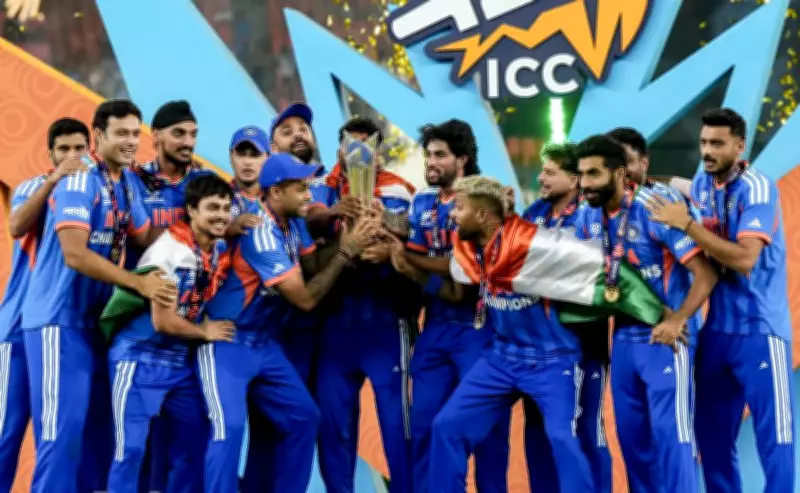
The Indian cricket team is embarking on a transformative journey as it prepares for the T20 World Cup 2026, with a renewed emphasis on putting the team first. This strategic shift aims to move beyond reliance on individual brilliance and foster a cohesive unit capable of clinching the coveted trophy. According to recent reports, the Board of Control for Cricket in India (BCCI) and team management are implementing measures to ensure that every player aligns with this collective vision, recognizing that success in modern T20 cricket hinges on seamless teamwork and adaptability.
Building a Cohesive Unit for Global Success
In the lead-up to the T20 World Cup 2026, India is focusing on developing a squad where roles are clearly defined, and players are encouraged to prioritize the team's needs over personal milestones. This approach involves rigorous training sessions, team-building exercises, and psychological support to enhance communication and trust among players. The management is reportedly analyzing past performances, including the 2024 edition, to identify areas where a lack of unity may have cost crucial matches. By fostering a culture of mutual support, India aims to create a resilient team that can handle high-pressure situations, such as tight chases or defending low totals, with collective determination.
Strategic Adjustments and Player Development
Key aspects of this strategy include:

- Role Clarity: Ensuring each player understands their specific responsibilities, whether as an aggressive opener, a finisher, or a death-over bowler, to minimize confusion during matches.
- Flexibility in Batting and Bowling: Encouraging players to adapt to different situations, such as promoting all-rounders up the order or using spinners in powerplays, to outsmart opponents.
- Youth Integration: Blending experienced veterans with emerging talents to maintain a balance of stability and innovation, with a focus on grooming future leaders.
- Fitness and Fielding Standards: Emphasizing physical conditioning and sharp fielding drills, as these elements often make the difference in close T20 encounters.
This holistic development plan is designed to reduce dependency on star players and build a squad where contributions come from multiple sources, making the team less predictable and more formidable.
Lessons from Previous Tournaments
India's recent performances in T20 World Cups have highlighted the need for a team-centric approach. In events like the 2022 and 2024 tournaments, instances where individual efforts overshadowed collective strategy sometimes led to suboptimal outcomes. For example, over-reliance on top-order batsmen or key bowlers in crunch moments exposed vulnerabilities when those players faltered. By learning from these experiences, the team is now committed to creating an environment where every member feels empowered to step up, ensuring that the burden of success is shared across the lineup.
Experts suggest that this shift could redefine India's cricketing philosophy, moving from a star-driven model to one that values synergy and tactical intelligence. As the T20 World Cup 2026 approaches, fans and analysts will closely watch how this emphasis on team unity translates into on-field results, potentially setting a new benchmark for international cricket.