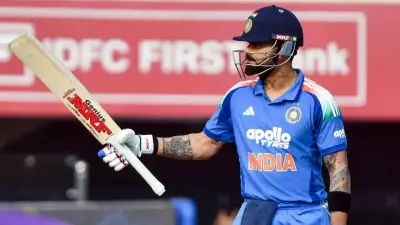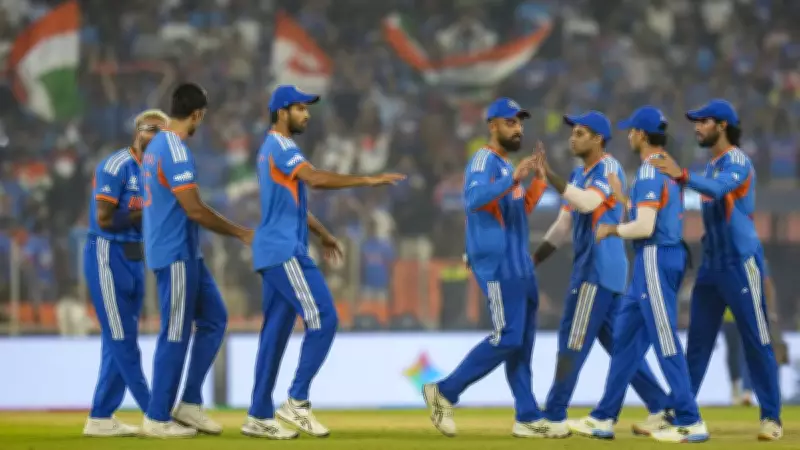
India's T20 World Cup 2026 Ranking Hits Historic Low
In a stunning development that has sent shockwaves through the cricketing world, the Indian national cricket team has plummeted to its worst-ever position in the T20 World Cup 2026 rankings. According to recent reports, India now finds itself ranked below several associate nations, marking a significant and unprecedented low in the team's storied history in the shortest format of the game.
Ranking Details and Comparisons
The latest rankings reveal that India's position has deteriorated sharply, placing them behind teams that are traditionally considered lower-tier or emerging cricketing nations. This decline is particularly alarming given India's status as a cricketing powerhouse and its past successes in T20 internationals, including winning the inaugural T20 World Cup in 2007. The rankings are based on recent performances, team form, and results in T20 matches leading up to the 2026 tournament.
Key factors contributing to this ranking drop include:

- Inconsistent performances in recent T20 series and bilateral matches.
- Strategic and selection issues that have hampered team cohesion.
- Improved competitiveness from associate nations, who have invested heavily in cricket development.
- Injuries and player availability challenges affecting squad depth.
Implications for Indian Cricket
This ranking setback raises serious questions about India's preparation and approach for the T20 World Cup 2026. With the tournament still a couple of years away, there is time for recovery, but the current situation demands immediate attention from the Board of Control for Cricket in India (BCCI), team management, and players. Experts suggest that a thorough review of tactics, player development, and domestic T20 structures is necessary to reverse this trend.
Potential impacts on Indian cricket:
- Increased scrutiny on captaincy and coaching staff decisions.
- Pressure to revamp domestic T20 leagues and talent pipelines.
- Need for enhanced focus on youth development and emerging players.
- Possible changes in team composition and playing style to adapt to modern T20 demands.
Global Context and Associate Nations' Rise
The fact that India is ranked below associate nations highlights the growing competitiveness in global T20 cricket. Teams from non-traditional cricketing regions have made significant strides, thanks to better funding, coaching, and exposure through leagues like the ICC T20 World Cup qualifiers. This shift underscores a broader trend in the sport, where the gap between full members and associate nations is narrowing, making tournaments more unpredictable and exciting.
In conclusion, India's current ranking in the T20 World Cup 2026 serves as a wake-up call for the cricketing establishment. While it presents a challenge, it also offers an opportunity for introspection and renewal. With strategic adjustments and a renewed focus on performance, India can aim to climb back up the rankings and reclaim its position as a top contender in T20 cricket.