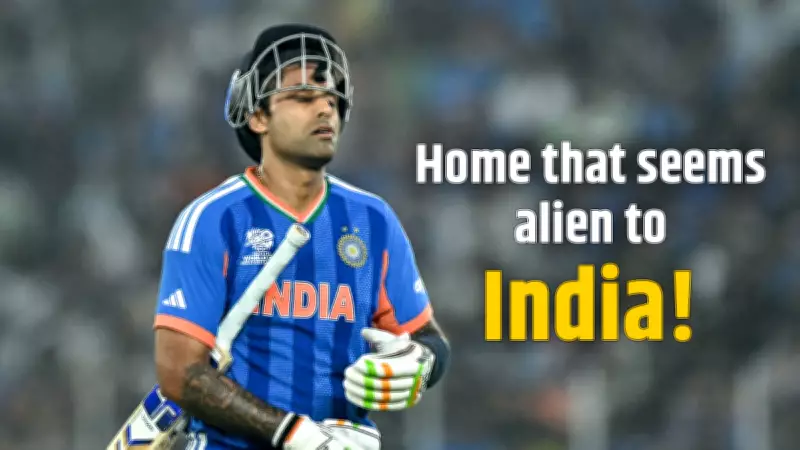
India's T20 World Cup Struggles: Home Turf Turns Unfamiliar
In a surprising twist at the T20 World Cup, the Indian cricket team is grappling with what should be their greatest advantage: home conditions. Instead of thriving on familiar pitches and weather, the squad appears to be struggling, as if playing on alien soil. This unexpected development has sent shockwaves through the cricketing community, raising serious questions about India's preparation and adaptability in the tournament.
Unfamiliar Challenges on Home Ground
The core issue revolves around the team's inability to leverage home conditions effectively. Traditionally, Indian players are known for their prowess on spin-friendly pitches and in humid climates, but recent matches have shown a stark contrast. Reports indicate that the pitches have behaved unpredictably, with variable bounce and turn that have caught even seasoned Indian batsmen off guard. This has led to inconsistent performances, with the team failing to post imposing totals or chase down targets comfortably.
Moreover, the weather patterns have added another layer of complexity. Unseasonal rains and cooler temperatures have altered the playing dynamics, making it harder for bowlers to grip the ball and for fielders to maintain sharpness. These factors, combined with the pressure of high expectations from home fans, have created a perfect storm of challenges for the Indian side.

Impact on Team Performance and Morale
The alien feel of home conditions has had a tangible impact on India's performance in the T20 World Cup. Key players, who are usually reliable in domestic settings, have struggled to find their rhythm. Batting collapses have become more frequent, and the bowling attack has lacked its usual bite, conceding runs at crucial moments. This has resulted in a series of close losses and unconvincing wins, denting the team's confidence and standings in the tournament.
Team morale has also taken a hit, with players expressing frustration over the inability to adapt quickly. In post-match interviews, some have hinted at the need for better acclimatization strategies, while others have pointed to the mental toll of playing under such unpredictable circumstances. The coaching staff is under scrutiny for not anticipating these issues and devising countermeasures in advance.
Broader Implications for Indian Cricket
This situation raises broader concerns about the state of Indian cricket and its readiness for global tournaments. If a team cannot capitalize on home advantage, it signals potential weaknesses in player development and tactical planning. Experts argue that this could be a wake-up call for the Board of Control for Cricket in India (BCCI) to invest more in simulating diverse conditions during training and fostering greater flexibility among players.
Looking ahead, India must address these challenges swiftly to salvage their T20 World Cup campaign. Possible solutions include:
- Enhanced Training: Incorporating more varied pitch conditions in practice sessions to improve adaptability.
- Mental Conditioning: Working with sports psychologists to help players cope with pressure and unpredictability.
- Strategic Adjustments: Revising game plans to account for the alien aspects of home conditions, such as focusing on building partnerships rather than aggressive starts.
As the tournament progresses, all eyes will be on how India responds to this crisis. The ability to turn alien conditions into a home advantage could define their legacy in this T20 World Cup and beyond.