India's U-19 Cricket Team Pulls Off Miraculous Win Against Bangladesh
The Indian Under-19 cricket team delivered a breathtaking performance to snatch victory from the jaws of defeat against Bangladesh. In a match filled with tension and drama, India defended a revised target of 165 runs by taking Bangladesh's last seven wickets for a mere 22 runs. The final margin of victory stood at 18 runs, securing crucial points for India's progression to the Super Six stage of the ICC U-19 World Cup.
Chaotic Collapse Seals Bangladesh's Fate
Bangladesh appeared firmly in control at 124 for 2, needing just 41 runs from the remaining overs with plenty of wickets in hand. The Indian seamers had already bowled most of their overs, and the spinners seemed unable to produce any magical deliveries. However, the game turned completely on its head in a matter of moments.
Captain Ayush Mhatre made a bold decision by bringing Vihaan Malhotra into the attack. Malhotra had bowled only twice in his previous nine matches, making this move a calculated gamble. His second ball produced the breakthrough, dismissing Kalam Siddiki and breaking a dangerous 44-run partnership. What followed was pure chaos as Malhotra claimed three more quick wickets, finishing with remarkable figures of 4 for 14.

Malhotra's unorthodox approach proved devastatingly effective. He barely turned the ball, relying instead on accurate yorkers and low full tosses. Bangladesh's batsmen seemed completely unprepared for this simple yet effective strategy.
Bangladesh's Self-Destruction Under Pressure
The pressure of the DLS-adjusted target clearly affected the Bangladeshi batsmen. They needed 75 runs from 70 balls, a challenging but achievable equation. However, the requirement to maintain both run rate and wickets created confusion in their ranks.
Dark clouds gathering overhead added to the tension, as both teams knew rain could further complicate the DLS calculations. Bangladesh captain Azizul Hakim later acknowledged that his team missed crucial opportunities both in the field and with the bat, though he also mentioned the impact of the DLS system on their approach.
The collapse began with Kalam Siddiki falling to a seemingly harmless short ball. Captain Azizul Hakim then mistimed a full toss at the worst possible moment, his bat twisting in his hands at the critical instant. Sheikh Paevez Jibon hit a length ball straight to long-on, while Rizan Hossan gently pushed an off-break to cover. The final blow came when Samiun Bashir's shot found Vaibhav Sooryavanshi perfectly positioned at the boundary rope.
India's Batting Struggles and Resilience
Earlier in the match, India's batting lineup faced significant challenges on a pitch offering movement to the seamers. Vaibhav Sooryavanshi stood out as the only batsman who appeared comfortable against both the bowling and the conditions. His precise footwork and ability to make last-minute adjustments allowed him to counter the late movement effectively.
Other Indian batsmen struggled with familiar issues: hard hands, sluggish foot movement, and uncertain temperament. Vedant Trivedi fell to a delivery from Al Fahad that shaped in before moving away slightly. Captain Ayush Mhatre showed initial patience but eventually succumbed to the temptation of chasing boundaries.
Vihaan Malhotra provided some support but fell trying to flick off-spinner Azizul Hakim, ending a promising 41-run partnership with Sooryavanshi. After the powerplay ended, Sooryavanshi adopted a more conservative approach, accumulating runs through singles and doubles while waiting for loose deliveries. His eventual dismissal came from attempting to pull a ball that wasn't short enough.
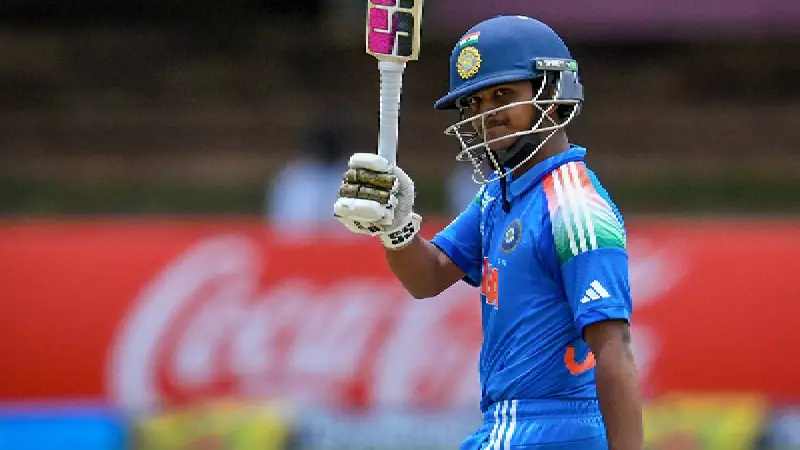
Abhigyan Kundu then took charge, displaying old-fashioned grit and determination to guide India to a competitive total of 238. Despite surviving several close calls, his 80-run innings proved crucial in setting up the dramatic finish.
Broader Implications and Team Dynamics
The match carried significance beyond just points and progression. The historical rivalry between India and Bangladesh added extra spice to the contest, evident when teams refused to shake hands both at the toss and after the match. This frosty relationship only intensified the competitive atmosphere.

For India, this victory provides a massive confidence boost, demonstrating their ability to fight back from seemingly hopeless situations. The team now has one foot in the Super Six stage, though they will need to address their batting inconsistencies moving forward.
Bangladesh will undoubtedly reflect on what went wrong after being in such a commanding position. Their dramatic collapse from 124 for 2 to 146 all out represents a significant missed opportunity that could haunt them in the tournament.
The Queens Sports Club ground presented conditions more suited to traditional 50-over cricket, where patience and accumulation often prove more valuable than aggressive stroke play. Both teams struggled to adapt completely to these conditions, though India ultimately showed greater resilience when it mattered most.
This remarkable match will be remembered for its dramatic turnaround and the emergence of unlikely heroes. Vihaan Malhotra's unexpected bowling performance and Abhigyan Kundu's gritty batting display proved that cricket remains a game where anything can happen until the final ball is bowled.