IPL Broadcast Blackout Hits Bangladesh as JioStar Terminates Agreement
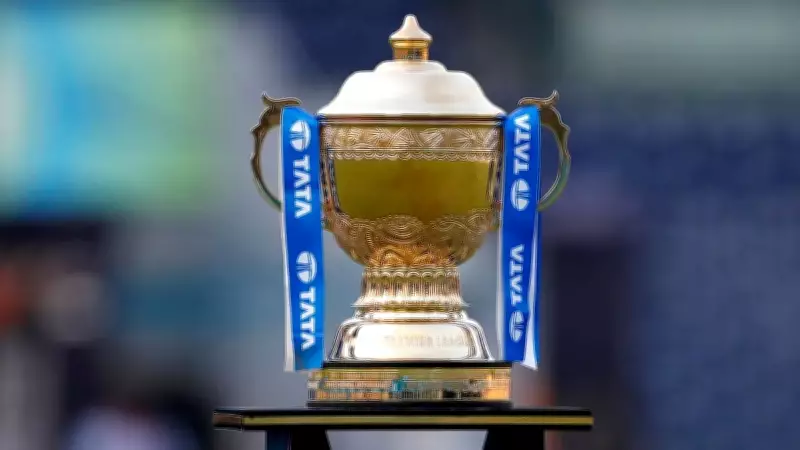
In a significant development for cricket enthusiasts in Bangladesh, the country is set to experience a complete blackout of the Indian Premier League (IPL) broadcasts. This comes after India's leading digital platform, JioStar, officially ended its broadcast agreement for the tournament. The termination occurs despite recent indications of a softer stance from the Bangladeshi government regarding the telecast of the popular cricket league.
End of Broadcast Deal Disrupts Cricket Viewing
The decision by JioStar to cease broadcasting the IPL in Bangladesh marks a sudden halt to what has been a major source of entertainment for millions of cricket fans in the region. JioStar, a subsidiary of Reliance Industries, had been the primary broadcaster of the IPL in Bangladesh, providing extensive coverage of matches through its digital and television networks. The agreement's end means that no official broadcaster is currently in place to air the IPL in Bangladesh, creating a void in sports programming.
This development is particularly notable given the context of recent government attitudes. Reports had suggested that the Bangladeshi authorities were adopting a more lenient approach towards the IPL broadcast, potentially easing restrictions or licensing issues that had previously posed challenges. However, JioStar's move to terminate the deal has overridden these softer signals, leaving fans without access to one of the world's most-watched cricket tournaments.

Impact on Fans and the Cricket Ecosystem
The IPL blackout is expected to have a profound impact on the cricket-loving population in Bangladesh. The tournament, known for its high-octane matches and star-studded lineups, has a massive following in the country, with viewership numbers consistently high during past seasons. The absence of legal broadcasts may drive fans towards unofficial streaming sources, raising concerns about piracy and copyright violations.
Moreover, this situation could affect the broader cricket ecosystem in Bangladesh. The IPL serves as a key platform for exposure to international cricket trends and talent, influencing local players and coaches. Without access to live broadcasts, there may be a reduction in engagement and inspiration drawn from the tournament, potentially impacting the development of cricket in the region.
Background and Future Prospects
JioStar's decision to end the broadcast agreement follows a period of negotiation and evaluation. While specific reasons for the termination have not been publicly disclosed, industry insiders speculate that it could be related to financial terms, regulatory hurdles, or strategic shifts in JioStar's broadcasting priorities. The softer government stance, which had raised hopes for a seamless broadcast season, appears to have been insufficient to secure a continuation of the deal.
Looking ahead, the search for a new broadcaster in Bangladesh is likely to intensify. Potential candidates may include local television networks or international sports channels, but securing rights and navigating regulatory frameworks could pose challenges. In the interim, cricket authorities and fans alike are left grappling with the immediate reality of an IPL-free season, underscoring the volatile nature of sports media rights in the digital age.
In summary, the termination of JioStar's IPL broadcast agreement in Bangladesh represents a major setback for cricket fans, despite indications of a more accommodating government approach. As the tournament progresses, the focus will be on whether alternative arrangements can be made to restore access, or if this blackout will persist, reshaping how cricket content is consumed in the region.