Jammu & Kashmir's Historic Ranji Trophy Triumph: A Cricketing Fairytale
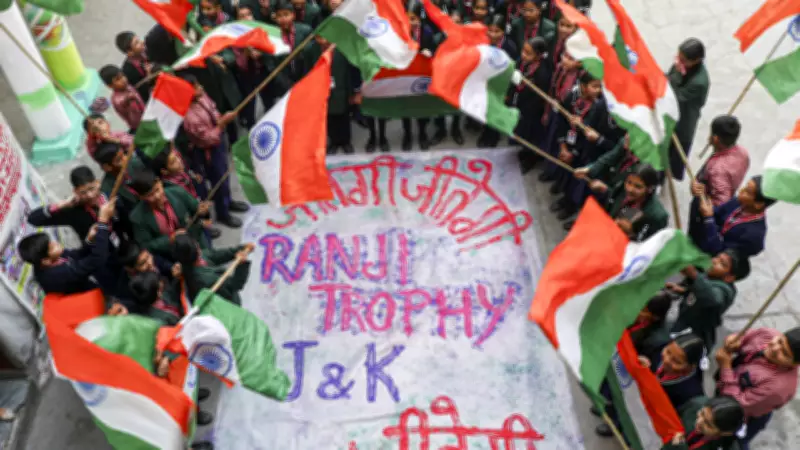
In a stunning upset that has captivated the nation, Jammu and Kashmir have been crowned the champions of Indian domestic cricket by defeating the heavily favored Karnataka team in the Ranji Trophy finals. This remarkable victory represents a heartwarming Cinderella story for a region historically viewed as an underdog in the cricketing arena.
From Underdogs to Champions: The Improbable Journey
Before this triumphant season, Jammu and Kashmir had participated in 334 Ranji Trophy matches over 67 long years, managing to secure only 45 victories. The team endured a 44-year wait before claiming its first-ever win against Services back in the 1982-83 season. However, this year witnessed a dramatic transformation as J&K systematically eliminated one formidable opponent after another—including Rajasthan, Hyderabad, Delhi, Madhya Pradesh, West Bengal, and finally the seven-time champions Karnataka.
What makes this victory particularly extraordinary is the stark contrast between the two finalists. Karnataka boasted five Test players in their lineup: KL Rahul, Mayank Agarwal, Devdutt Padikkal, Karun Nair, and Prasidh Krishna. Meanwhile, Jammu and Kashmir fielded a squad without a single internationally capped player. Just one year ago, most cricket enthusiasts would have struggled to name even a single member of the J&K team.

Beyond Cricket: A Symbolic Victory for National Integration
This achievement transcends mere sporting success. It has unexpectedly provided a non-political avenue through which alienated Kashmiris can feel connected to the Indian mainstream. Suddenly, residents of the region find themselves celebrated as kings of Ranji cricket, receiving admiration and applause across India in a manner unimaginable just twelve months ago.
Historically, cricket audiences in Kashmir have been known to cheer for Pakistan during matches against India, leading to accusations of anti-national sentiment and painful taunts suggesting they should leave the country. According to analysts like former Economic Times journalist Najeeb Mubarki, this behavior does not necessarily reflect affection for Pakistan but rather expresses alienation from India and outrage over human rights concerns in the region.
"Kashmir's cricketing crowds will cheer for any opponent of India—be it Pakistan, or anyone else," Mubarki has observed, highlighting how sports fandom has become intertwined with political expression.
The Transformative Power of Team Sports
While winning a cricket trophy alone cannot completely transform hearts and minds, it represents a promising development where conventional approaches—such as government jobs, industrial subsidies, and tourism promotion—have yielded limited results in addressing alienation. Cricket holds particular potential because Kashmir, like the rest of India, is cricket-crazy.
Team sports possess a unique ability to bind together people from diverse communities. Once you play for a cricket team, all teammates become vital partners regardless of religion or regional background. This principle extends, at least partially, to spectators as well. Where cheering against India was once a Kashmiri expression of alienation, J&K's Ranji championship now offers cricket the potential to tackle that very alienation and foster closer bonds between Kashmiris and other Indians.
The Heroes Behind the Victory
Jammu and Kashmir's Ranji triumph was a genuine team effort featuring six Hindu and five Muslim players. The team posted a mammoth 584 runs in their first innings, with Shubham Pundir scoring a century and five other batsmen contributing half-centuries.
However, the undisputed star of the campaign was fast bowler Auqib Nabi, affectionately nicknamed the 'Baramulla Express.' At 29 years old, Nabi is a late bloomer whose phenomenal performances over the last two Ranji seasons have made his exclusion from the Indian Test team seem almost criminal.
Nabi's bowling statistics are nothing short of spectacular:

- 44 wickets last season and 60 this season—the highest tally by any bowler
- 5 for 54 in Karnataka's first innings, dismissing their top batting stars despite dropped catches
- 12 wickets for 110 runs in the quarterfinal against Madhya Pradesh
- 9 wickets for 123 runs in the semifinal against Bengal
- An astonishing bowling average of 12.7 runs per wicket this season (anything below 20 is considered outstanding)
Nabi's most extraordinary achievement came six months earlier in the Duleep Trophy, where he accomplished the rare feat of taking four wickets in four successive balls—a performance so exceptional that cricket terminology has yet to invent a word for it.
This historic victory represents more than just cricketing excellence. It symbolizes hope for unity, demonstrating how sports can bridge divides and create shared national pride. As Jammu and Kashmir celebrates its well-deserved triumph, the entire nation joins in cheering: Hurrah for Kashmir! Hurrah for India!