Social Media Sparks NFL Quarterback Controversy: Was Josh Allen the Real Issue in Buffalo?
A thought-provoking observation from Baltimore-based comedian and sports commentator GOWIE has ignited intense debate across NFL fan communities. The social media personality, known for his sharp takes on football, shared a compelling perspective on platform X that questions the narrative surrounding Buffalo Bills quarterback Josh Allen.
The Viral Tweet That Started It All
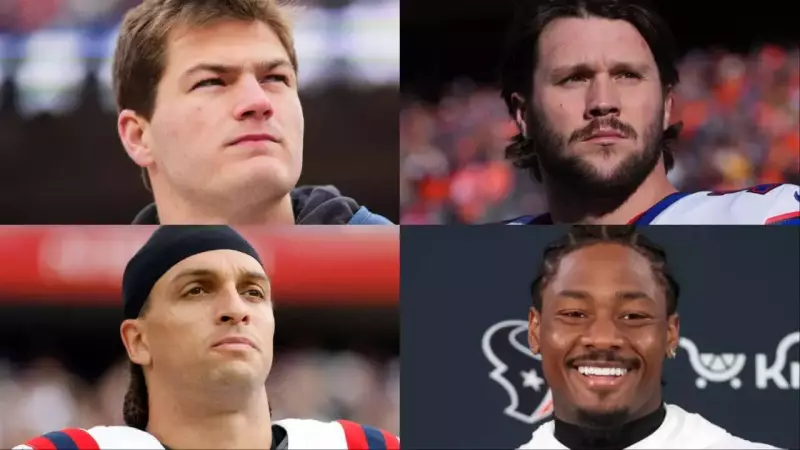
GOWIE's post highlighted a fascinating development: "Stefon Diggs and Mack Hollins left Buffalo, joined Drake Maye in New England, won the AFC East, and are now headed to the Super Bowl. Maybe Josh Allen did have help all along..." Accompanying this observation was a revealing quote from New England Patriots wide receiver DeMario Douglas, who emphasized the leadership role played by the former Bills receivers: "We needed Diggs and Hollins to show us the way...We needed those leaders."
This simple comparison has forced football enthusiasts to reconsider long-held assumptions about the Buffalo Bills' recent struggles and Josh Allen's role in their postseason disappointments.

Examining Buffalo's Playoff Heartbreaks
The statistics paint a sobering picture for Bills fans. Despite boasting what many consider elite talent at multiple positions, including standout wide receivers Stefon Diggs (2020-2023) and Mack Hollins (2024), the Super Bowl has remained frustratingly out of reach. The organization has faced significant challenges, including fan petitions demanding the reinstatement of head coach Sean McDermott that gathered over 79,000 signatures.
A detailed look at Buffalo's recent playoff history reveals a pattern of near-misses:
- 2020: Lost AFC Championship to Kansas City Chiefs
- 2021: Lost divisional round to Kansas City Chiefs
- 2022: Lost divisional round to Cincinnati Bengals
- 2023: Lost divisional round to Kansas City Chiefs
- 2024: Lost AFC Championship to Kansas City Chiefs
- 2025: Lost divisional round to Denver Broncos
Throughout this entire period, Diggs and Hollins were catching passes from Josh Allen, making their immediate success in New England particularly noteworthy.
Fan Reactions: Divided Opinions on Social Media
The online response to GOWIE's observation has been passionate and polarized, reflecting the intensity of NFL fandom:
One X user made a bold prediction about another quarterback: "You ready to hear Sam Darnold better than Josh and Lamar. It's coming."
A defender of Allen countered with statistical analysis: "This some nasty agenda pushing Gowie. Acting like they didn't have their lowest production playoff games with Maye. They just had the best postseason defense of the century by the numbers lmfao."
Another commenter shifted blame to coaching decisions: "No, it was all coaching according to the owner and GM."
A more critical perspective simply stated: "Josh is over hyped."
A nuanced take acknowledged complexities: "Diggs also disappeared in the post season for Buffalo as well as dropping a huge ball in his final game as a bill but I will say Stef was right, he was always right about the organization glad he made his way to a good organization."
The Bigger Picture: Quarterback Evaluation in Modern NFL
This controversy touches on fundamental questions about how we evaluate quarterback performance in today's NFL. The immediate success of Diggs and Hollins in New England, combined with Buffalo's persistent playoff struggles despite Allen's individual brilliance, suggests that team success depends on numerous factors beyond quarterback talent alone.
The situation raises important considerations about roster construction, coaching strategies, organizational culture, and how supporting casts impact quarterback legacies. As Diggs and Hollins prepare for the Super Bowl with their new team, while their former quarterback watches from home, the debate about Josh Allen's true impact on Buffalo's fortunes will likely continue throughout the offseason.

What remains clear is that in the hyper-analytical world of modern football fandom, every personnel move and every playoff result becomes fodder for reevaluating established narratives about players, teams, and what truly drives success in America's most popular sport.