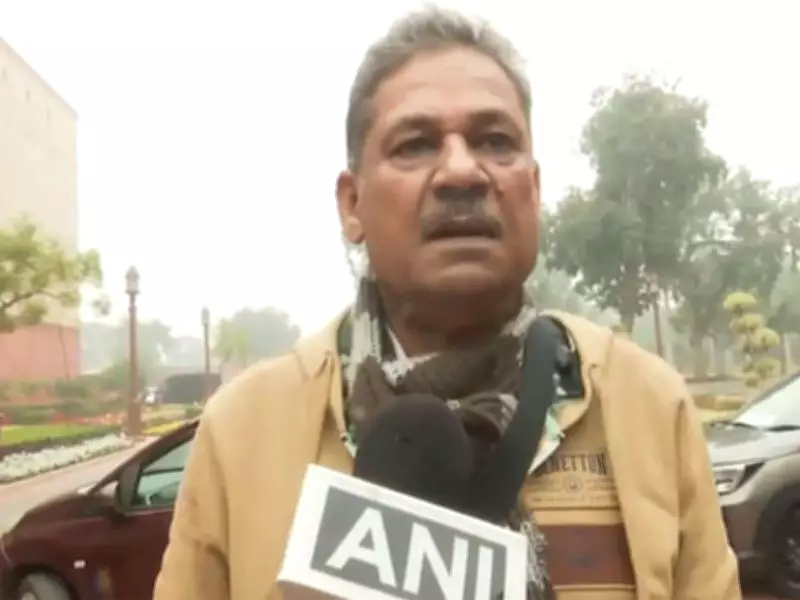
In a recent statement that has stirred the cricketing world, former Indian cricketer and politician Kirti Azad has made bold claims regarding Pakistan's decision to boycott the upcoming T20 World Cup match against India. Azad asserted that Pakistan's move is rooted in a deep-seated fear of losing, rather than purely political motivations, as often cited by officials.
Azad's Assertion: A Psychological Edge for India
Kirti Azad, known for his outspoken views, elaborated that Pakistan's cricket team and its management are acutely aware of their inability to secure a victory against India in high-stakes tournaments. He pointed to historical data and recent performances, suggesting that this awareness has led to a strategic withdrawal to avoid another humiliating defeat on the global stage.
Historical Context and Past Encounters
Azad highlighted several key matches where India dominated Pakistan, particularly in World Cup events. He emphasized that these losses have created a psychological barrier for the Pakistani team, making them hesitant to face their arch-rivals in crucial games. This, according to Azad, is a significant factor behind the boycott decision.

While political tensions between India and Pakistan are undeniable, Azad argued that they are being used as a convenient excuse to mask the cricketing realities. He suggested that if Pakistan were confident in their abilities, they would not shy away from the competition, regardless of diplomatic strains.
Impact on the T20 World Cup and Global Cricket
The boycott, if it materializes, could have far-reaching implications for the T20 World Cup. Azad noted that such a move might undermine the spirit of the tournament and affect viewership, given the massive fan following for India-Pakistan clashes. He called for a focus on sportsmanship over politics.
Reactions from the Cricketing CommunityAzad's comments have sparked mixed reactions. Some analysts agree with his assessment, citing Pakistan's inconsistent performances, while others believe the boycott is purely political. The debate continues to rage on social media and in sports circles.
In conclusion, Kirti Azad's remarks shed light on the complex interplay between cricket and politics in South Asia. Whether his claims hold water remains to be seen, but they certainly add an intriguing layer to the ongoing narrative surrounding one of cricket's most storied rivalries.